Medisage Medical
Medisage Medical
Medisage Medical
Clinical Insight: Even a minor misalignment of >2 degrees in the coronal or sagittal planes can dramatically accelerate local stress profiles, leading to early implant wear, osteolysis, structural instability, and subsequent revision surgery. Consequently, Tier-1 medical device buyers mandate alignment instrumentation engineered with sub-millimeter tolerances.
Designed around multi-planar reference markers, helping surgeons optimize axial, coronal, and rotational vectors to preserve healthy joint mechanics.
Crafted exclusively from Grade 5 Titanium (Ti-6Al-4V ELI), PEEK, and surgical-grade Cobalt-Chromium-Molybdenum alloys for enduring in-vivo performance.
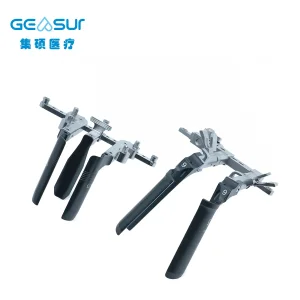
Engineered for ergonomic weight balancing, color-coded identification systems, and seamless integration with navigation & robotic arrays.
Founded in 2001, Hangzhou Medisage Medical Co., Ltd. has spent over two decades pioneering advanced engineering paradigms in the global orthopedic implant sector. Our dedicated manufacturing ecosystem, Shuangyang Medical, situated in Zhangjiagang City, Jiangsu Province, spans an expansive footprint of 18,000㎡, with a state-of-the-art building floor area exceeding 15,000㎡. Backed by a robust registered capital of 20 million Yuan, we have systematically aligned our technical infrastructure to serve as a comprehensive OEM/ODM powerhouse.
With over two decades of industry experience, Medisage has established itself as a leading manufacturer in the field of orthopedic implants. Our comprehensive product portfolio includes trauma fixation systems, cranial and maxillofacial implants, and a wide range of precision surgical instruments. Supported by advanced production facilities and strict quality management systems, we ensure that every product meets international standards for safety, reliability, and performance.
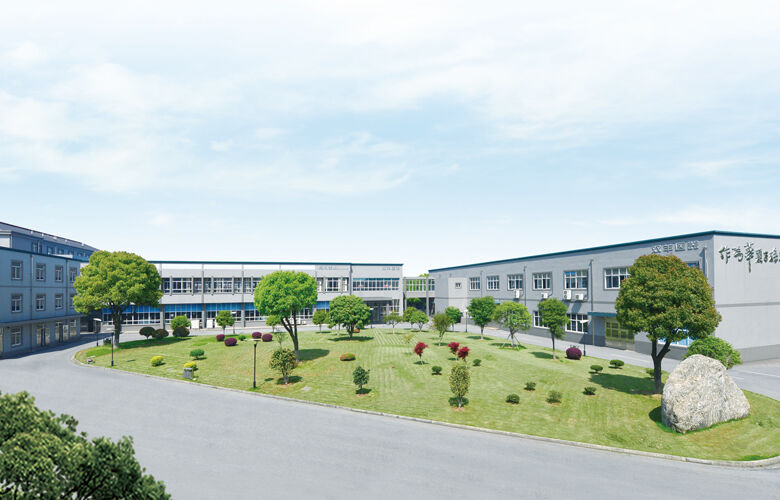
Shuangyang Medical has successfully supplied products to more than 1,000 clients across over 120 countries, earning a strong reputation for quality and consistency in the global medical market. Our experienced team is dedicated to continuous innovation, technical excellence, and customer-focused solutions. Guided by the philosophy of “people-oriented, integrity first, continuous innovation, and pursuit of excellence,” Hangzhou Medisage Medical Co., Ltd. remains committed to safeguarding human health and delivering trusted orthopedic solutions worldwide.
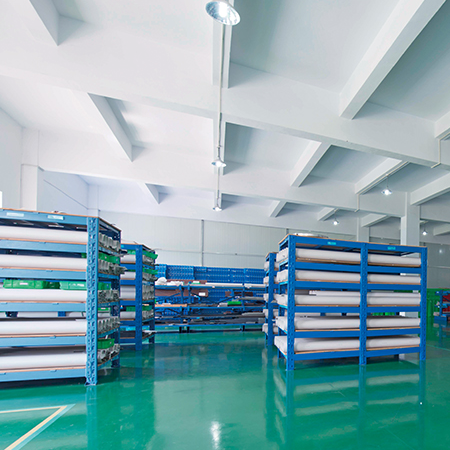
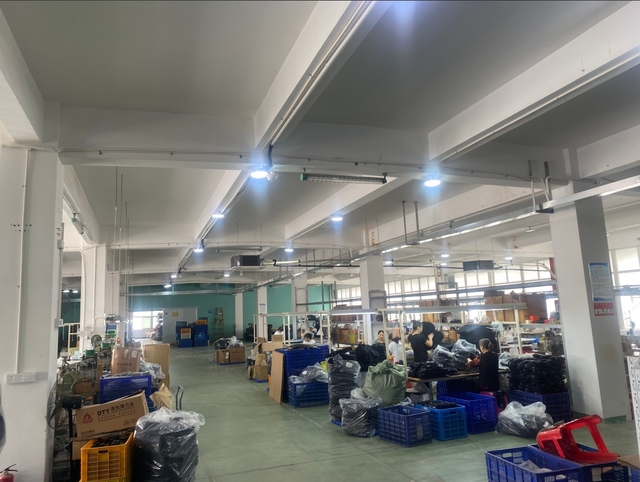
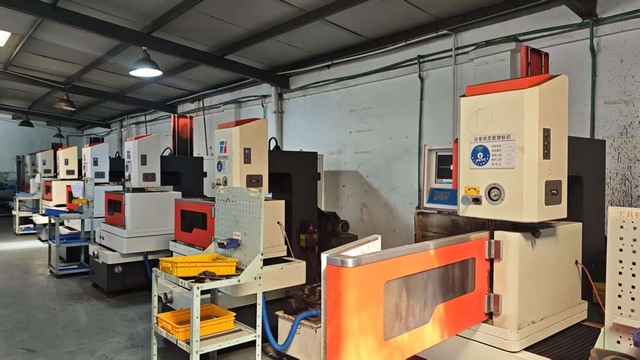
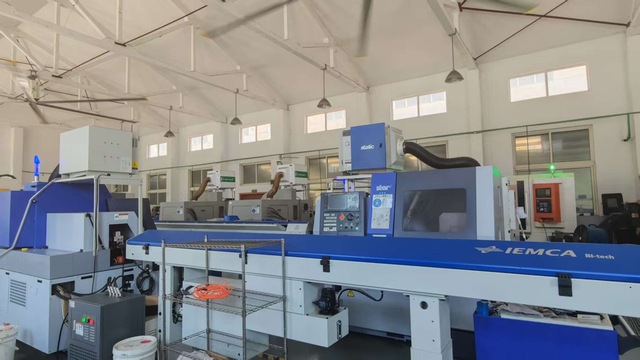
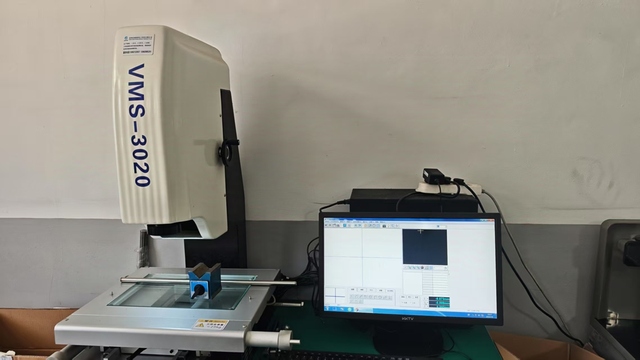
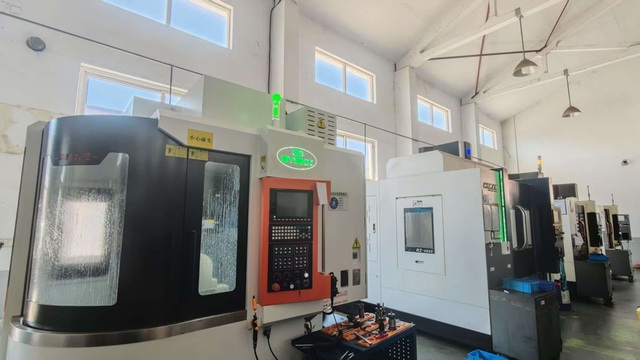
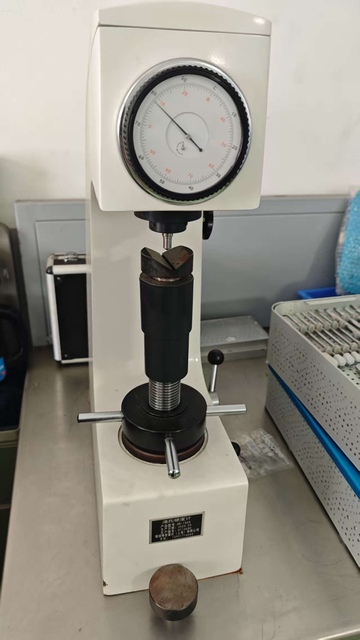
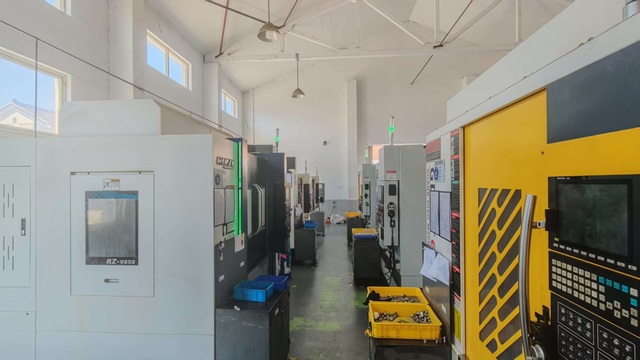
Direct integration with medical-grade titanium and cobalt-chrome mills reduces incoming component lag times, ensuring steady material runs and verifiable raw material tracking certificates.
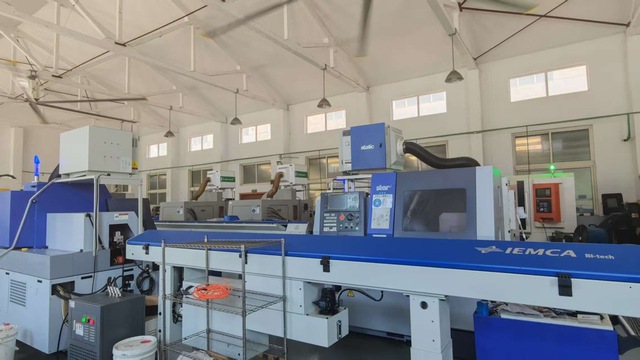
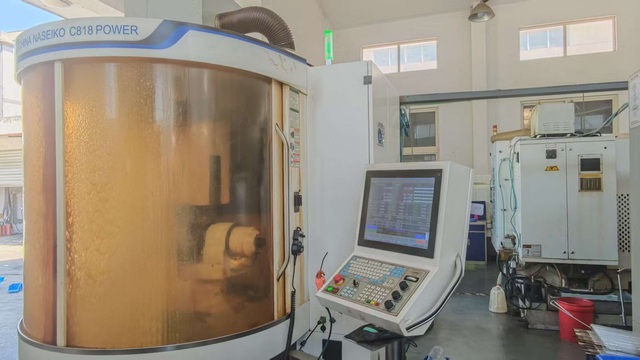
Our facility houses Swiss-type longitudinal turning machines, 5-axis CNC machining centers, and automated EDM (Electrical Discharge Machining) systems designed for complex implant geometries.
From single-digit rapid prototype runs for clinical trials to high-volume monthly batch orders exceeding 100,000 units, our scalable plant configurations avoid production bottlenecks.
Geographic Excellence: Our Jiangsu facility's proximity to the deep-water shipping lanes of Shanghai and major international freight corridors reduces global logistics times. This positioning helps ensure critical surgical kits and bulk components reach their target markets efficiently.
An in-depth look at how Medisage supports the strict technical standards and compliance mandates of global medical device distributors.
At Shuangyang Medical, quality control is integrated throughout the production cycle rather than applied as a post-process inspection. Our facilities are certified to ISO 13485:2016 medical quality management systems. We use advanced CMM (Coordinate Measuring Machines), optical comparators, and non-destructive testing (NDT) to inspect every critical dimension against strict engineering designs.
We maintain full material traceability back to the original heat lot. This process includes chemical composition verification via spectrographic analysis, grain structure verification, and tensile strength profiling.
Navigating the global regulatory landscape requires a structured, documentation-forward approach. Medisage supports international OEMs by providing comprehensive technical files compatible with:
Using CT/MRI DICOM data, we design and manufacture custom patient-specific cutting blocks and alignment templates. These single-use guides map directly to the patient's unique anatomy, minimizing intra-operative adjustments.
Our alignment instruments can be integrated with passive tracker arrays or active optical beacons. This capability allows compatibility with leading computer-assisted surgery (CAS) systems and robotic arms.
We offer specialized surface treatments including titanium plasma spray (TPS), hydroxyapatite (HA) coating, and acid-etched/anodized micro-textures to help optimize osseointegration.
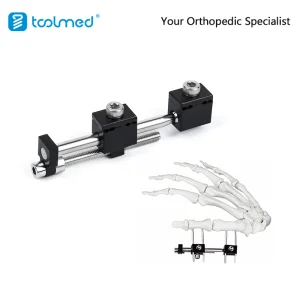
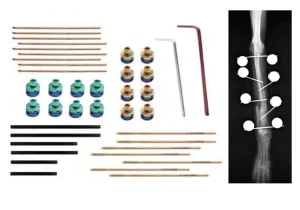
In high-energy segmental fractures of the tibia or femur, restoring length, alignment, and rotation is critical. Surgeons utilize our Portable Hand External Fixation Systems and Locking Bone Plates to achieve stabilization. The alignment instrumentation allows for fine-tuning of axial alignment before locking screws are locked, helping reduce the risk of malunion.
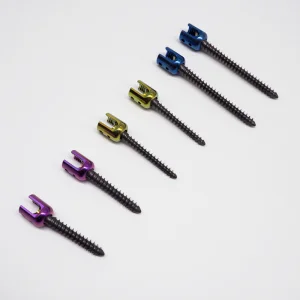
Spinal surgery demands sub-millimeter precision. The Kco3.2 Posterior Cervical System, combined with our spinal alignment instruments, helps ensure accurate pedicle screw placement. Surgeons rely on the system's crosslinks and alignment tools to maintain anatomical lordosis and prevent neurological impingement.
| Process Parameter | Standard OEM Capability | Inspection Methodology |
|---|---|---|
| CNC Machining Dimensional Tolerance | ± 0.005 mm | Coordinate Measuring Machine (CMM) |
| Surface Roughness (Ra) - Polished Implants | ≤ 0.2 μm | Laser Profilometry / Stylus Profiler |
| Anodizing Layer Thickness (Color Coding) | 3 - 8 μm | Eddy Current Thickness Gauge |
| Cleanroom Particle Count (ISO Class 7) | ≤ 352,000 particles/m³ (≥0.5μm) | Real-time Airborne Particle Counter |