 Medisage Medical
Medisage Medical
Medisage Medical
Empowering Namibian Clinical Infrastructure with Top-Tier Trauma Solutions, Precise Spinal Implants, and Integrated Surgical Instrumentation.
Select, precision-engineered products deployed globally for clinical fracture mitigation and structural spinal correction.
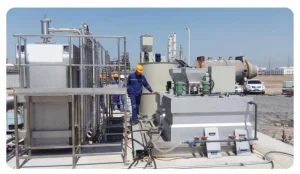
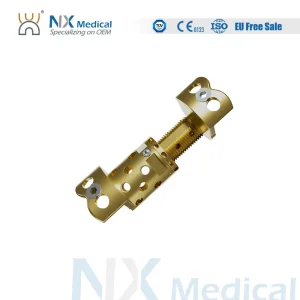
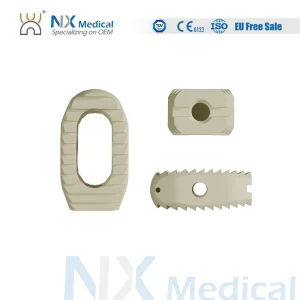
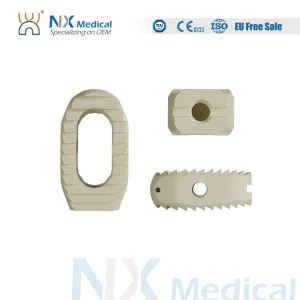
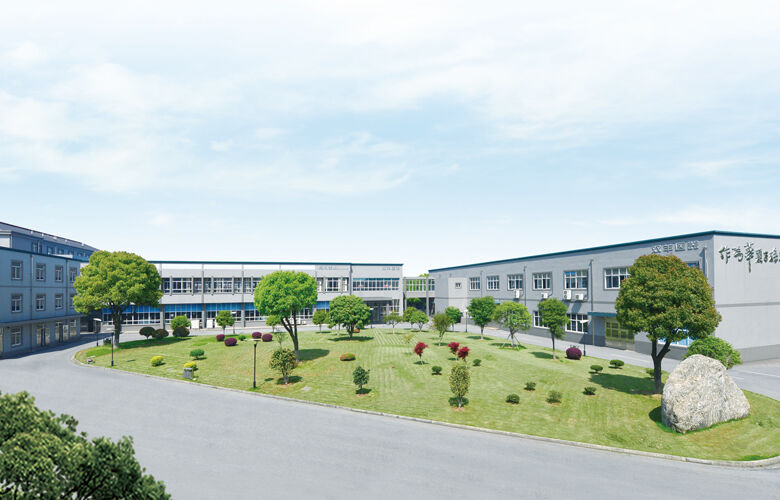
Hangzhou Medisage Medical Co., Ltd. was founded in 2001. Its manufacturing base, Shuangyang Medical, is located in Zhangjiagang City, Jiangsu Province, covering an area of 18,000㎡, with a building floor area exceeding 15,000㎡. The company has a registered capital of 20 million Yuan and specializes in the research, design, and manufacturing of orthopedic implant systems and surgical instruments.
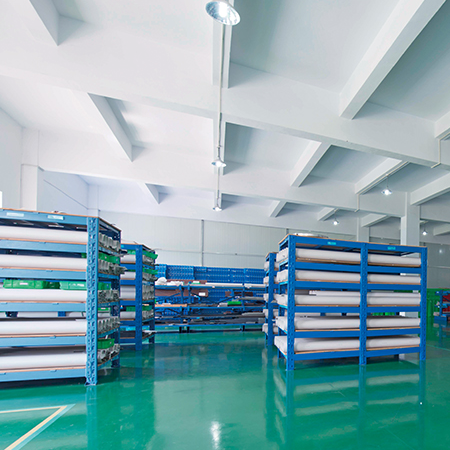
With over two decades of industry experience, Medisage has established itself as a leading manufacturer in the field of orthopedic implants. Our comprehensive product portfolio includes trauma fixation systems, cranial and maxillofacial implants, and a wide range of precision surgical instruments. Supported by advanced production facilities and strict quality management systems, we ensure that every product meets international standards for safety, reliability, and performance.
An analysis of clinical demands, logistical frameworks, and structural challenges in Southern Africa's healthcare procurement.
Namibia's clinical landscape features a unique division between its expansive public healthcare infrastructure (managed by the Ministry of Health and Social Services - MoHSS) and a highly specialized private sector centered in Windhoek, Swakopmund, and Walvis Bay. Medical practitioners in regional referral centers, such as the Katutura State Hospital or Oshakati Intermediate Hospital, face a high caseload of musculoskeletal trauma resulting from high-velocity road traffic accidents along the national transport corridors (B1/B2 routes) and heavy labor injuries within the extensive mining industries.
Managing these compound fractures and degenerative spinal pathologies requires high-performance fixation systems. Due to the vast geographical distribution of the population, implants must support prompt stabilization and early mobility to reduce prolonged bed rest. This necessitates highly reliable internal and external fixation devices. These implants must perform consistently even in rural clinical settings with limited access to fluoroscopic navigation or advanced revision equipment.
By leveraging the Port of Walvis Bay via the Walvis Bay Corridor Group, medical distributors can efficiently import medical equipment to supply the landlocked SADC region (Botswana, Zambia, Zimbabwe). Medisage Medical coordinates shipping routes directly from Shanghai/Ningbo ports to Walvis Bay. This ensures clear custom clearance pipelines and avoids the complex logistics channels of South African transit hubs, reducing average delivery times to Namibia by 15-20%.
Globally, the paradigm of fracture management has shifted from rigid compression fixation toward biological fixation. The latter preserves the periosteal blood supply to accelerate callus formation. Medisage’s implant portfolio, manufactured at our advanced Shuangyang Medical base, incorporates anatomical contouring and locking technology. This design accommodates complex metaphyseal fractures without compromising local perfusion.
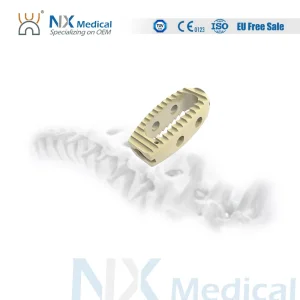
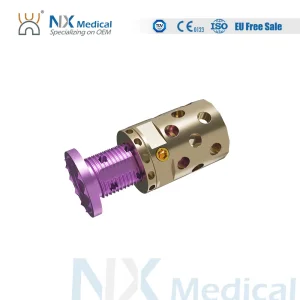
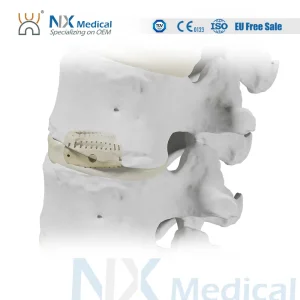
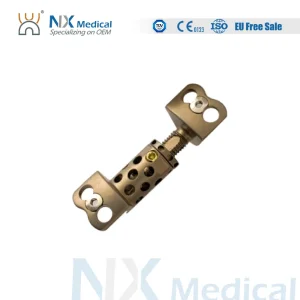
In the spinal orthopedic domain, the design of expandable cervical and lumbar cages has revolutionized sagittal alignment correction. Intervertebral cages made from Polyetheretherketone (PEEK) are the gold standard because their elastic modulus closely mimics human cortical bone. This reduce the risk of implant subsidence and minimizes stress shielding. When combined with titanium-coated surface treatments, these systems facilitate rapid osteointegration and stable arthrodesis.
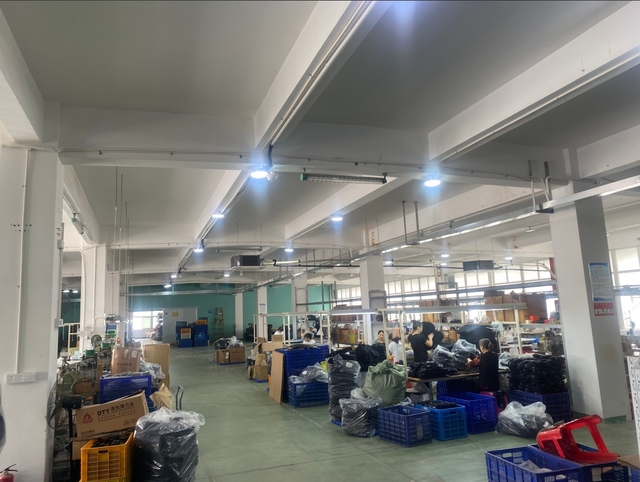
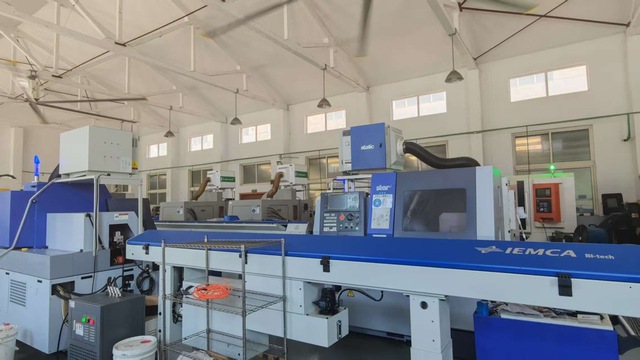
How Medisage utilizes high-volume, automated production to deliver competitive advantages to global procurement channels.
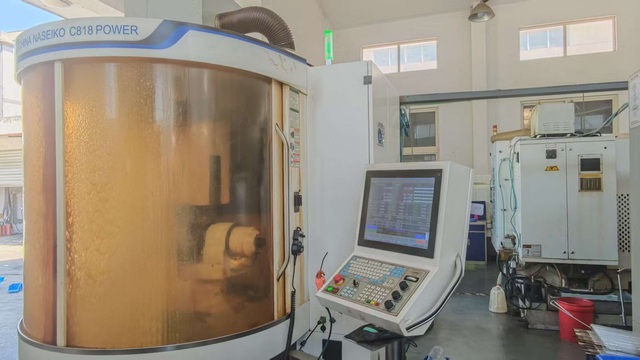
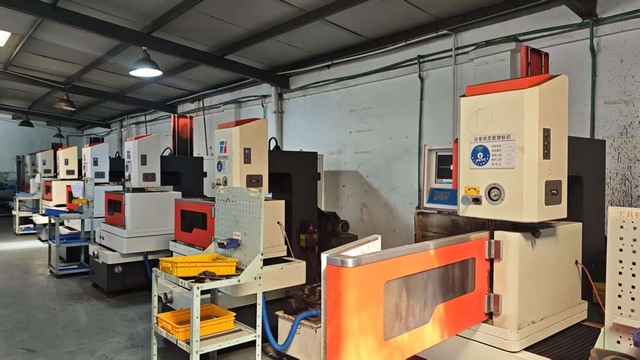
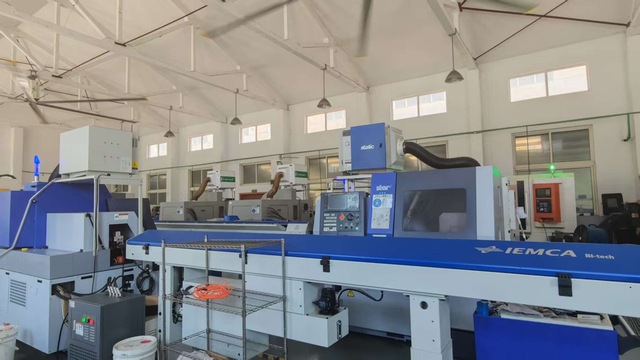
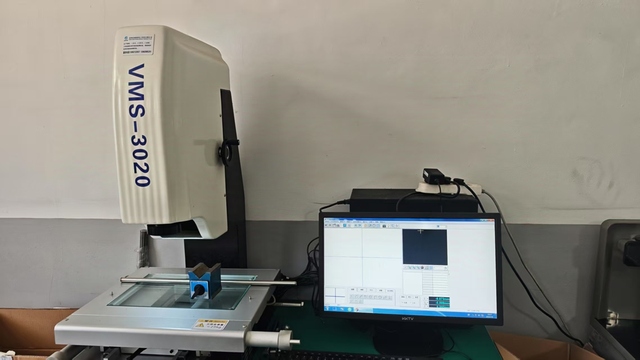
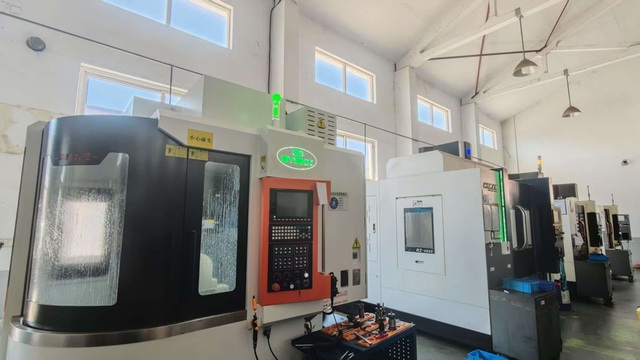
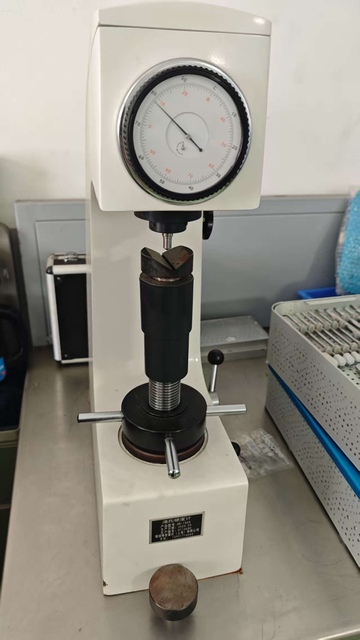
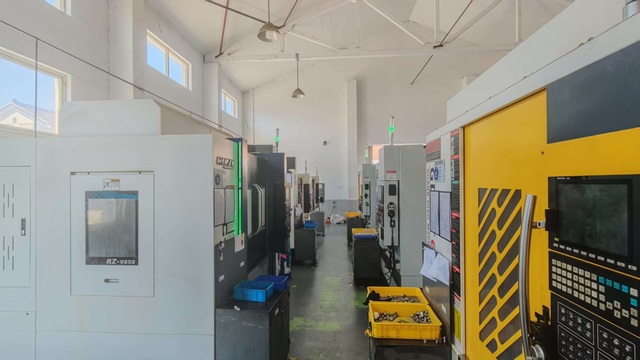
Our Zhangjiagang facility (Shuangyang Medical) integrates five-axis CNC machining centers, automated Swiss longitudinal lathe turners, and high-precision EDM wire-cut machinery. This infrastructure allows us to maintain dimensional tolerances within 5 microns. By controlling the complete design-to-manufacture loop under ISO 13485 regulations, Medisage reduces waste cycles and maintains high throughput rates.
For African markets like Namibia, where public healthcare funding faces budget constraints, this efficiency yields significant cost benefits. We deliver certified, surgical-grade implants at up to 40% lower cost than equivalent Western brands, directly supporting local healthcare accessibility.
Clinical adaptations and supporting technologies required to operate integrated healthcare facilities in the Namibian region.
Operating a trauma center in Namibia involves challenges beyond supplying orthopedic hardware. High-quality clinical environments require stable ancillary services. Water purity is critical; autoclave sterilization units and pre-operative scrubbing bays require pure water. Our specialized water systems address this, removing heavy minerals and microbiological contaminants common in Namibia's ground supply.
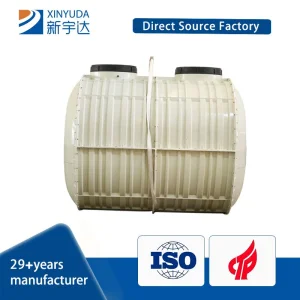
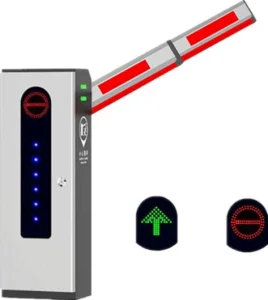
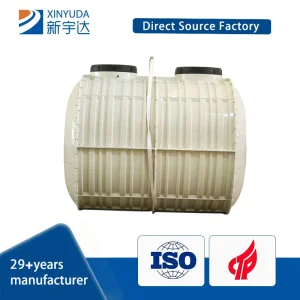
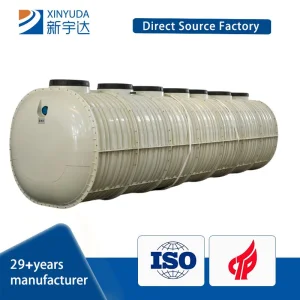
Additionally, remote clinical outposts must run on closed loop sanitation. Efficient underground wastewater systems prevent run-off contamination in dry geographical zones, protecting local aquifers. For urban clinics, automated parking access and RFID systems secure emergency transport corridors. This ensures ambulances can navigate entrance zones without operational delays.
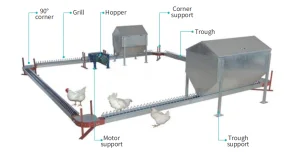
Sustainable rural healthcare in Namibia is connected to regional nutrition and biosecurity. Modern poultry floor systems support commercial broiler production, helping mitigate food insecurity and preventing avian zoonotic outbreaks. Meanwhile, advanced aeration technologies help regional aquaculture farms maintain high oxygenation levels, improving protein production and supporting rural economic development.
Insights into technological directions and global standards for institutional orthopedics procurement.
The industry is shifting toward magnesium-alloy plates and bone-graft substitute surfaces that dissolve safely, eliminating the need for secondary implant removal surgeries.
Electron Beam Melting (EBM) and Direct Metal Laser Sintering (DMLS) create trabecular structures on spine cages, promoting immediate bone cell growth.
B2B buyers now prioritize regional warehouse storage, container-sharing protocols, and clear API catalog integrations to mitigate transit delays.
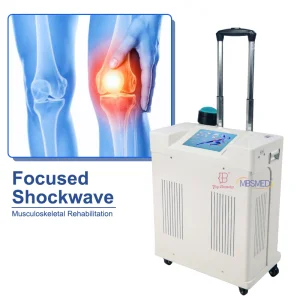
Explore our full line of surgical spinal fixation systems, orthopedic implants, trauma rehabilitation devices, and specialized infrastructure components.

Require customized specifications or OEM/ODM configurations for hospital tenders?
Send Inquiry NowDirect technical responses addressing common procurement, regulatory, and logistics questions.