Medisage Medical
Medisage Medical
Medisage Medical
High-performance implants, spinal stabilization mechanics, and specialized instrumentation designed for global medical distributors and OEM partners.
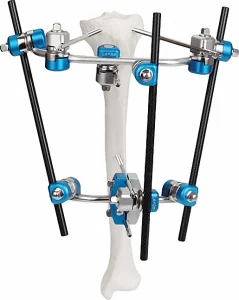
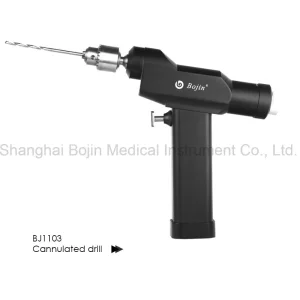
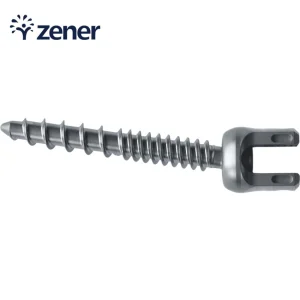
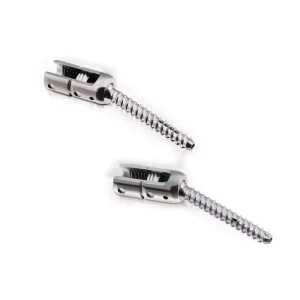
The global demand for orthopedic fracture stabilization systems has experienced unprecedented structural growth over the last decade. Propelled by an aging demographic, the rising incidence of high-energy trauma events, and advanced sports injuries, healthcare facilities require systems with uncompromising biomechanical safety profiles. The global orthopedic implants market size is projected to expand significantly, requiring manufacturers to integrate sophisticated micro-machining capabilities and premium biocompatible materials.
Traditional rigid fixations are transitioning rapidly toward dynamic internal fixation paradigms. Clinical data demonstrates that controlled axial micromovement can promote accelerated secondary bone healing by minimizing stress-shielding effects. Consequently, hospital networks and surgical centers are shifting their procurement strategies, prioritizing OEM/ODM manufacturers capable of delivering flexible, customizable plate profiles and specialized poly-axial locking screws that accommodate complex anatomy.
Concurrently, the orthopedic supply chain faces stringent global demands regarding logistical resilience, material traceability, and regulatory alignment. Global surgical device brands rely on OEM partners to establish highly consistent production environments that mitigate batch-to-batch variation, thereby satisfying the rigorous specifications outlined by regulatory bodies such as the US FDA, EU MDR, and NMPA.
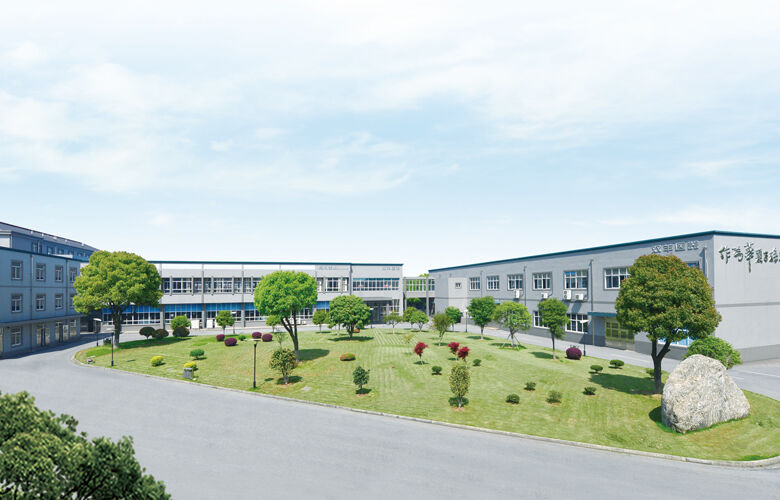
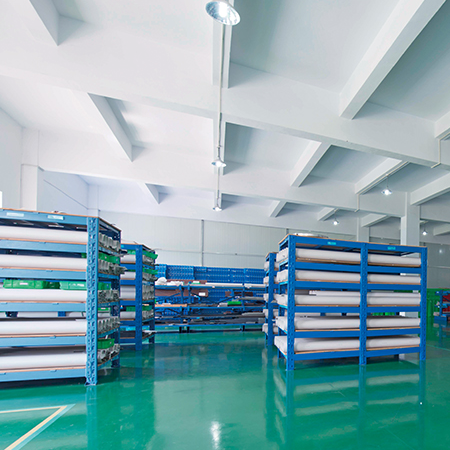
Established in 2001, Hangzhou Medisage Medical Co., Ltd. has dedicated over two decades to the design, optimization, and fabrication of complex orthopedic implant systems. Supported by our primary manufacturing hub, Shuangyang Medical (located in Zhangjiagang City, Jiangsu Province), we operate a world-class manufacturing complex encompassing over 18,000 m² of physical footprint, with a dedicated building floor area exceeding 15,000 m².
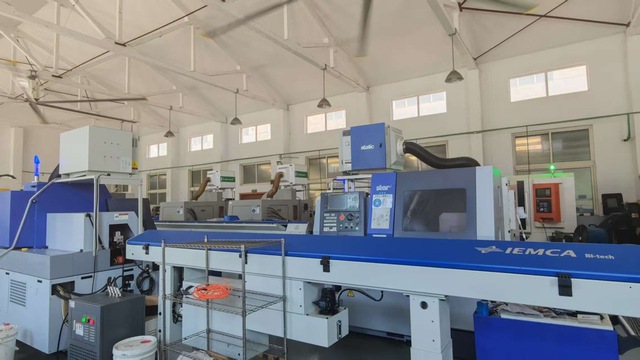
Backed by a registered capital of 20 million Yuan, our production facilities are equipped with automated CNC multi-axis milling machines, wire-cutting EDM apparatuses, and cleanroom packaging facilities conforming to ISO Class 7 standards. Our operations integrate rigorous quality management systems at every stage of the fabrication cycle, from raw bar stocking to surface treatment processes, ensuring exceptional reliability.
Pioneering tomorrow's orthopedic solutions via advanced metallurgy, bio-compatible surface treatments, and digital design verification.
We source premium medical-grade Titanium Alloy (Ti-6Al-4V ELI conforming to ASTM F136) and Polyetheretherketone (PEEK). These materials provide optimal fatigue strength, corrosion resistance, and modulus of elasticity matching human cortical bone to reduce structural stress shielding.
Our automated chemical processing line applies Type II and Type III anodization. This modifies surface morphology to improve wear resistance, facilitate color-coded component identification, and lower ionic release rates within patient tissue environments.
By blending high-precision multi-axis milling with specialized 3D printing technologies, we can manufacture micro-porous structures that promote rapid osseointegration, enabling fast stabilization of complex metaphyseal bone segments.
Focus on structural mechanical strength using traditional dynamic compression plates (DCP) and standard stainless steel/pure titanium screws.
Advancement to anatomical plates featuring poly-axial locking screw mechanisms, allowing customized angulation and secure fixation in osteoporotic bone.
Development of surface-engineered porous structures and biodegradable polymers designed to release osteo-inductive agents, accelerating repair.
Every clinical trauma scenario demands highly tailored surgical planning. Our OEM/ODM portfolio covers three core clinical pillars:
From large fragment sets for femur and tibia fractures to low-profile locking plates for distal radius injuries, our hardware is designed to simplify bone reduction, maintain construct stability, and protect nearby soft tissue.
Extremely low-profile plate geometries and micro-screws provide structural support and aesthetic symmetry, helping restore bone shape after complex head and facial trauma.
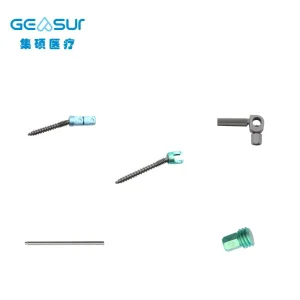
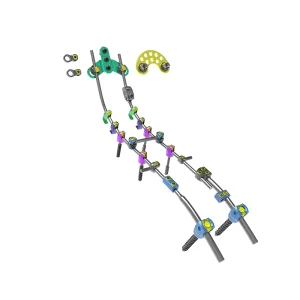
Our spinal systems, including pedicle screw configurations, cross-connectors, and rods, allow surgeons to treat spinal instability, degenerative disc disease, and traumatic vertebral compression fractures with precision.
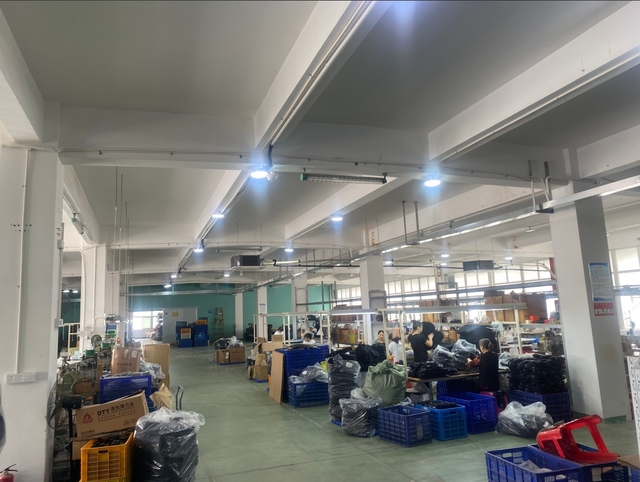
Transparent insight into Medisage's ISO certified facility, material warehouses, precision testing laboratories, and automated manufacturing lines.
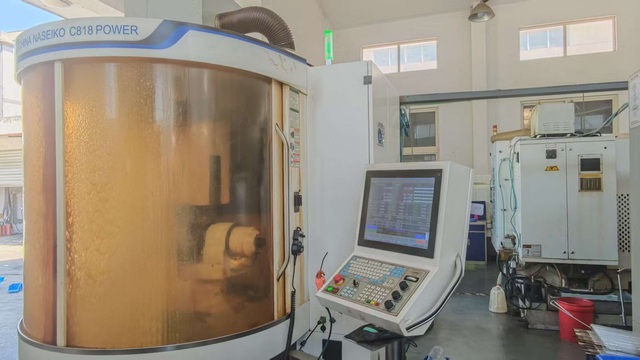
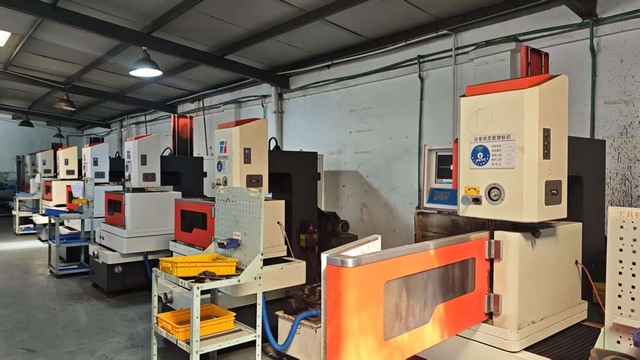
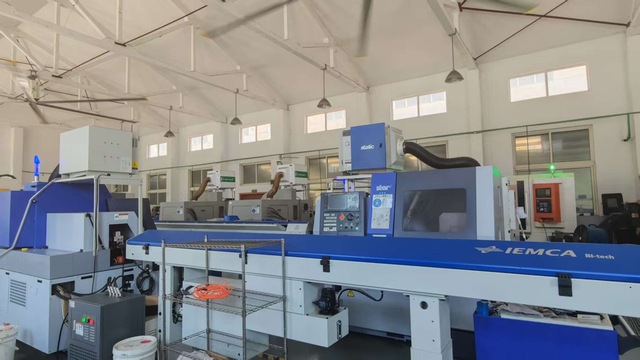
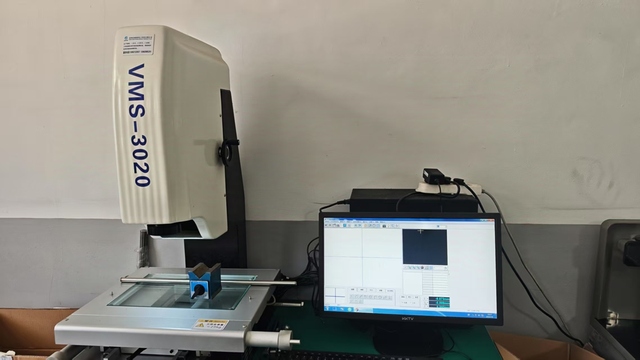
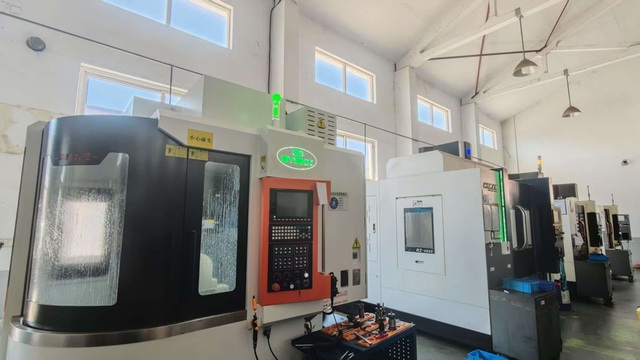
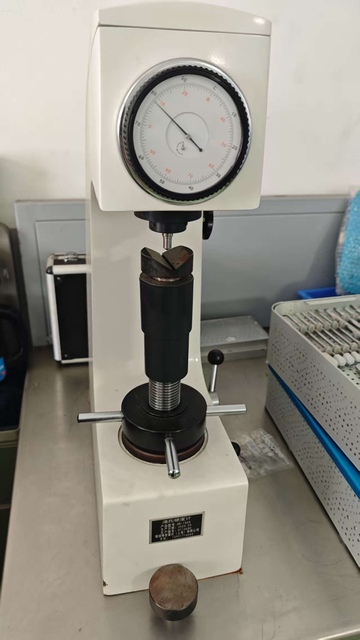
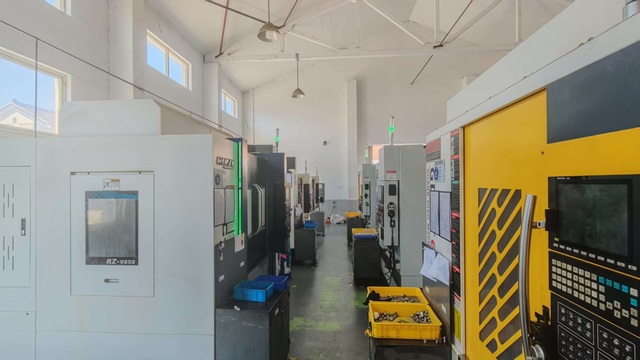
Orthopedic systems are subject to varying regional standards and clinical preferences. We address these variations through structured product customization pipelines.
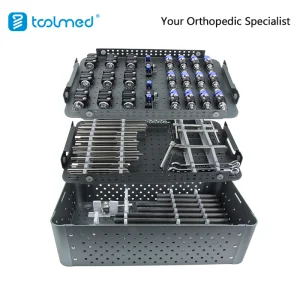
Emphasizes high-strength titanium configurations, low-profile instrumentation, and comprehensive sterilizer-ready delivery trays. Our systems align with local instrumentation preferences to support efficient surgical workflows.
Demands strict traceability, post-market surveillance data, and meticulous clinical evaluations. We maintain up-to-date Technical Documentation Files, helping clients navigate EU MDR registration pathways.
Prioritizes high durability, cost-effectiveness, and versatile instrument sets designed to perform reliably across diverse hospital infrastructures, from urban trauma facilities to regional clinics.
Key inquiries regarding our OEM/ODM capabilities, metallurgical standards, global lead times, and regulatory support.
We manufacture our implants primarily from premium medical-grade Titanium Alloy (Ti-6Al-4V ELI) conforming to ASTM F136, and pure titanium (Grades 2 and 4) conforming to ASTM F67. For specific applications requiring high radiolucency and bone-like flexural properties, we process medical-grade PEEK. All raw materials undergo mechanical, chemical, and metallographic testing, and are fully traceable back to the melt batch.
Our quality management system is certified to ISO 9001 and ISO 13485 standards. We utilize computerized tracking systems that assign unique batch codes to every production lot. Statistical Process Control (SPC) protocols monitor our machining centers, and our metrology laboratory verifies dimensional tolerances using coordinate measuring machines (CMMs) and visual inspection systems.
Lead times depend on the complexity of the design and the required tooling. For customized modifications of our catalog implants, production is typically completed within 6 to 8 weeks. For complete ODM projects—from initial engineering drawings to final sterilized packaging—lead times generally range from 12 to 16 weeks, which includes prototype validation stages.
Yes, we provide both non-sterile and sterile bulk packaging options. Our sterile products are packed inside Class 10,000 (ISO Class 7) cleanrooms using double-barrier medical blister trays or pouch systems, followed by ethylene oxide (EO) or gamma radiation sterilization processing, matching all requirements for direct-to-operating-room delivery.
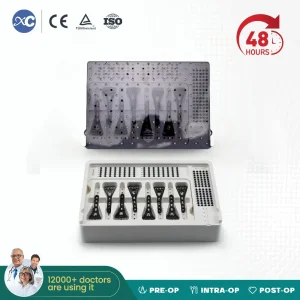
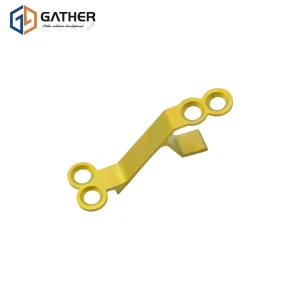
Browse our selection of trauma reconstruction kits, locking plates, dental abutment tools, and supportive solutions.