Operational Notes
01.
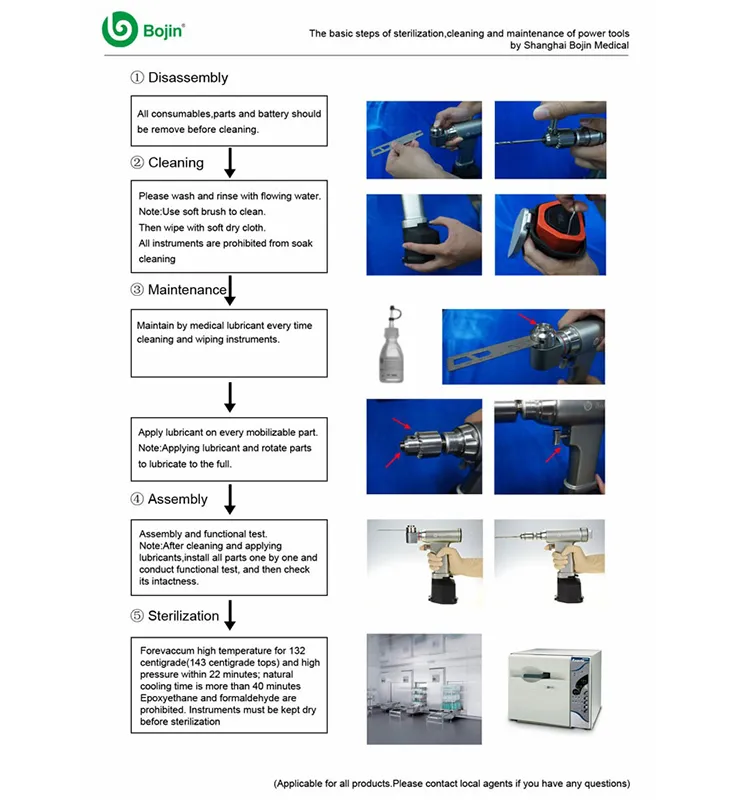
Sterilize temperature must be ≤ 135 °C. If the temperature exceeds 135 °C, the motor will be damaged.
02.
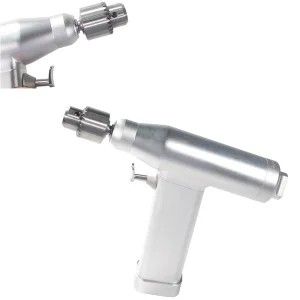
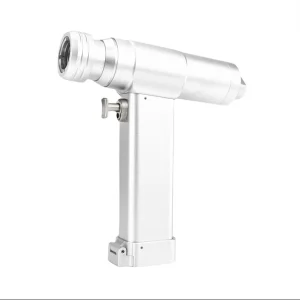
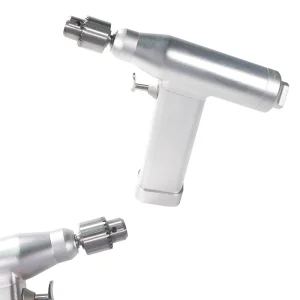
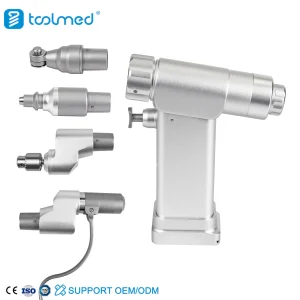
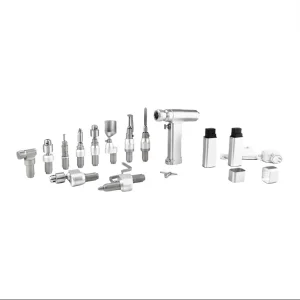
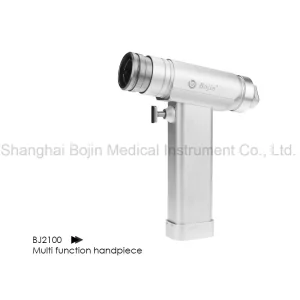
Normal bone drills hold bits < 6mm. Acetabulum reaming drills operate at ~300 rpm, while cannulated drills operate at ~600 rpm.
03.
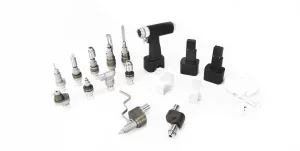
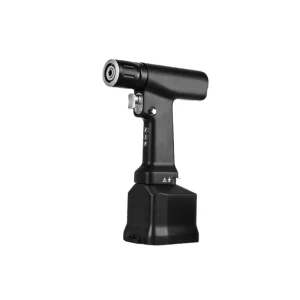
Remove the battery after surgery. Automatic discharge can significantly shorten battery life if left inside the tool.
04.
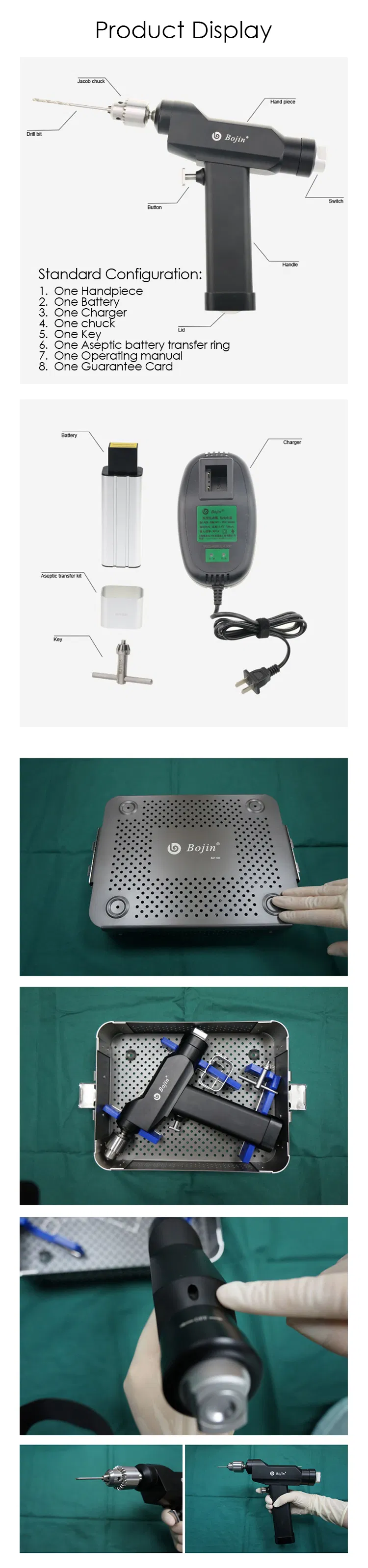
The battery cannot be sterilized and is not autoclavable.
05.
The cranial bur must be washed immediately after surgery to avoid blood sticking, then dried thoroughly.
06.
Ensure no water remains in the battery compartment of the handpiece after sterilization.
07.
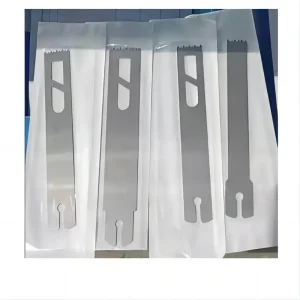
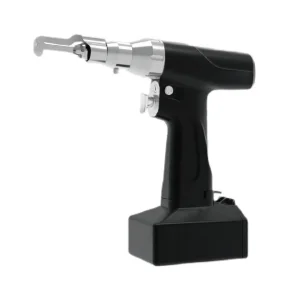
Cranial bur blades are flexible stainless steel. We suggest single-use per surgery to maintain sharpness and precision.
Frequently Asked Questions
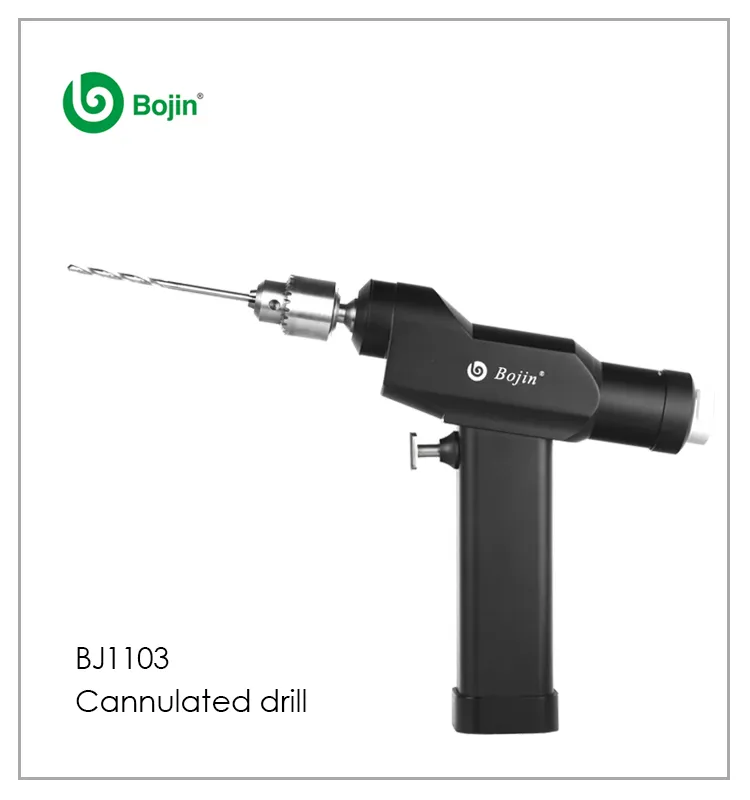
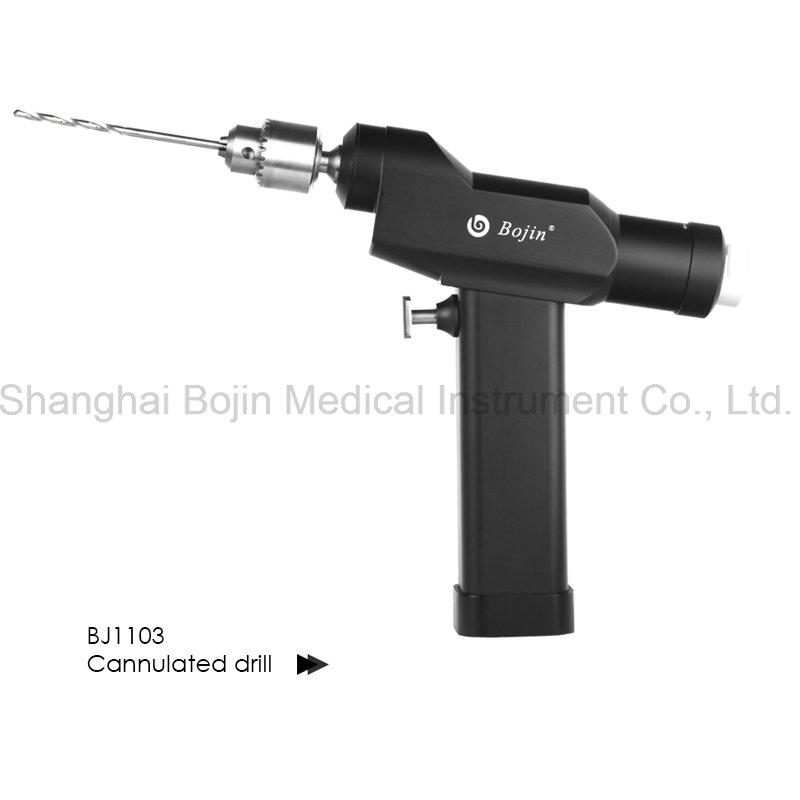
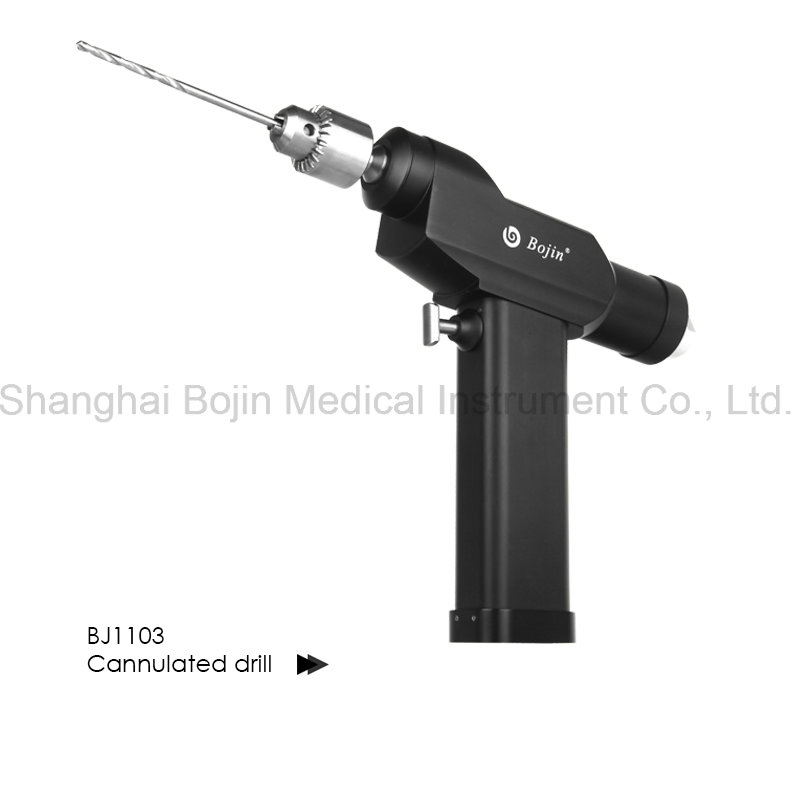
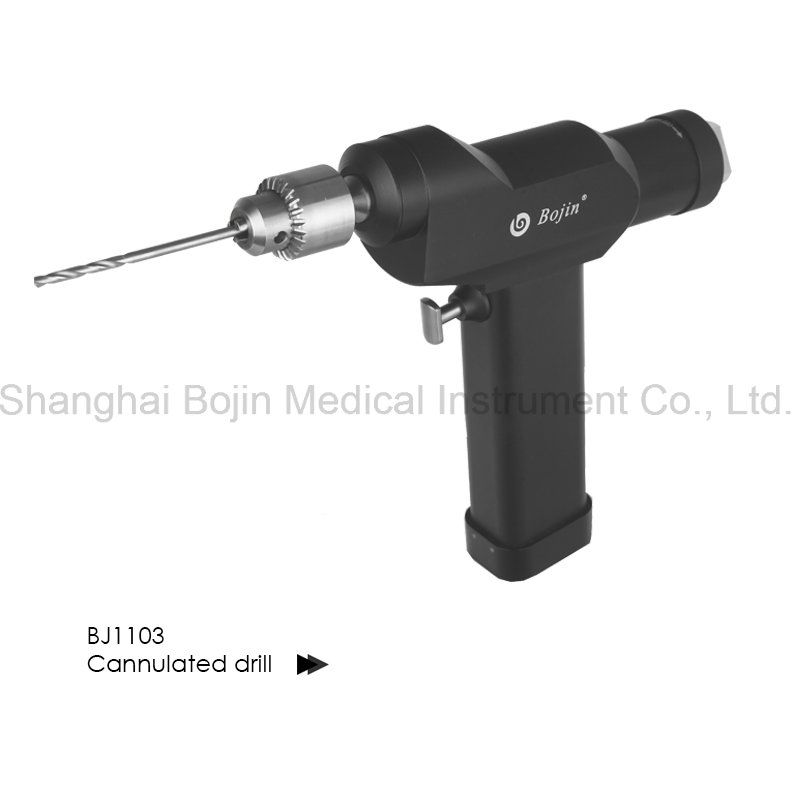
Q: What is the maximum temperature for sterilizing the BJ1103 drill?
A: The standard sterilization temperature should not exceed 135°C to protect the integrity of the motor.
Q: Can I put the battery into the autoclave?
A: No, the battery is not autoclavable. It must be removed from the handpiece before the sterilization process begins.
Q: What type of surgeries is this cannulated drill designed for?
A: It is primarily designed for orthopedic trauma surgery, utilizing a speed range of 0-700 rpm for optimal performance.
Q: How do I maintain the battery life?
A: Always remove the battery after each surgical procedure. This prevents small automatic discharges that can shorten the overall battery lifespan.
Q: Is the device noisy during operation?
A: No, the BJ1103 features a lower noise design with a noise level of ≤40db, ensuring a better operating environment.
Q: What certifications does this medical power tool hold?
A: The equipment is fully certified with CE, FDA, and ISO13485 standards, meeting international medical quality requirements.
 Medisage Medical