Medisage Medical
Medisage Medical
Medisage Medical
Highly dynamic internal fixation plates certified for immediate deployment across Baltic clinical frameworks.
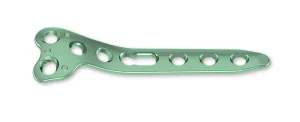
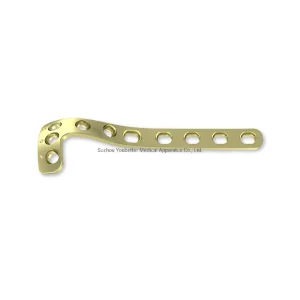
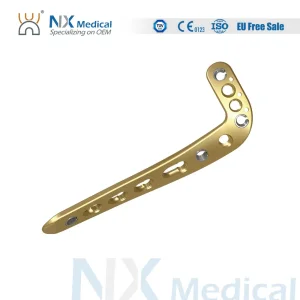
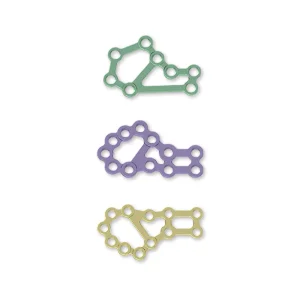
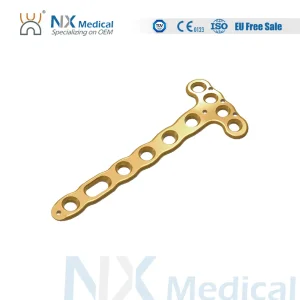
A deep technical and economic analysis of titanium locking plate supply chains, surgical indications, and production efficiencies.
Latvia’s medical device ecosystem is governed strictly by the State Agency of Medicines (Zāļu valsts aģentūra) and must fully satisfy the transition protocols of the European Union Medical Device Regulation (EU MDR 2017/745). High-performance orthopedic trauma systems, such as locking compression plates (LCP), are increasingly demanded by primary clinical networks, including the Riga East Clinical University Hospital (RAKUS) and Pauls Stradiņš Clinical University Hospital. With a rising elderly population vulnerable to osteoporotic fractures and a concurrent demand for sports medicine interventions in hubs like Sigulda, Baltic clinical purchasers look for implants offering high angular stability, low-profile anatomically pre-contoured designs, and robust biocompatibility profiles.
Local orthopedic distribution channels in Riga rely heavily on reliable global manufacturing partnerships. Given the tight budgetary environments within the National Health Service (Nacionālais veselības dienests - NVD), Latvian hospitals demand locking plate suppliers that offer high economic value without compromising safety. Implants manufactured from high-grade Ti-6Al-4V ELI (Extra Low Interstitial) titanium alloy are favored due to their superior tensile strength and fatigue resistance compared to traditional stainless steel alternatives.
The global market for orthopedic fixation devices has transitioned from standard dynamic compression plates (DCP) to advanced locking plate systems. In complex fractures (such as comminuted, osteoporotic, or peri-articular fractures), traditional plating relies on friction between the plate and bone, which can compromise periosteal blood supply. Modern locking systems act as external-internal fixators. The locking screws thread directly into the plate, creating a fixed-angle construct that maintains structural alignment without compressing the plate against the bone, safeguarding microvascular circulation.
Geopolitically, the orthopedic supply chain faces challenges like rising raw material costs (medical-grade titanium and cobalt-chromium) and regulatory gridlocks in Western Europe. To combat this, advanced medical device procurement managers are shifting away from localized specialty houses to large-scale, vertically integrated biomedical manufacturers in Asia that offer CE, FDA, and ISO certifications. This diversification ensures continuous supply-chain resilience and stabilizes capital expenditure (CapEx) for public health systems.
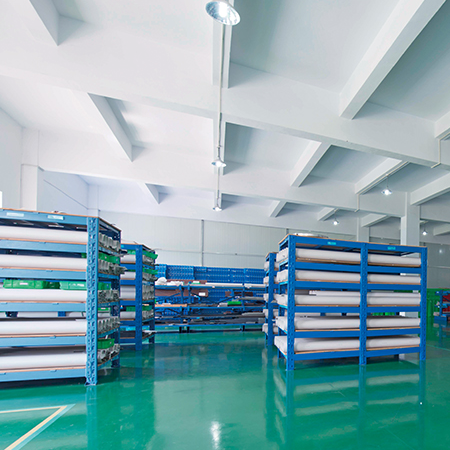
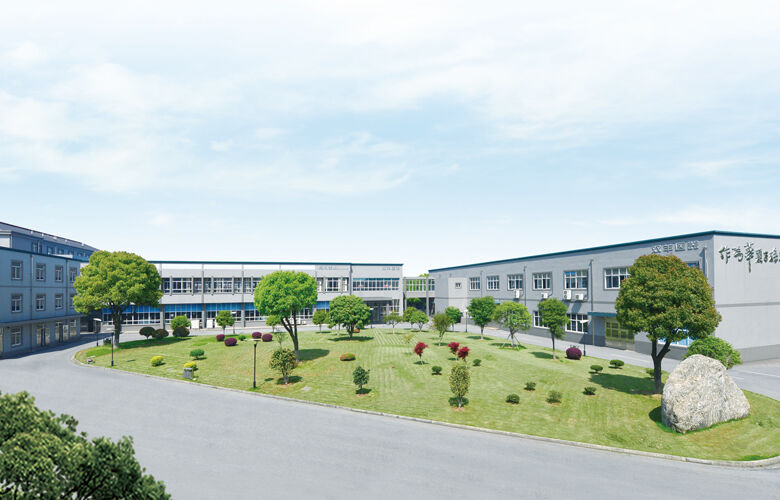
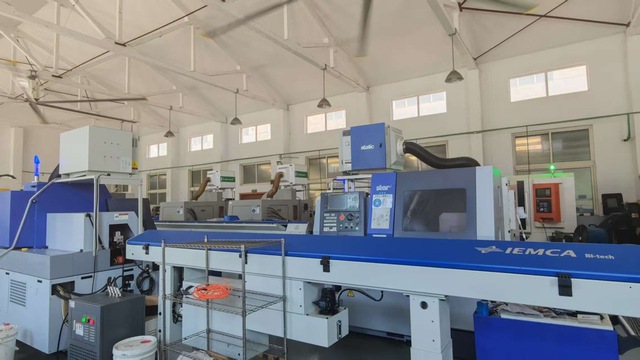
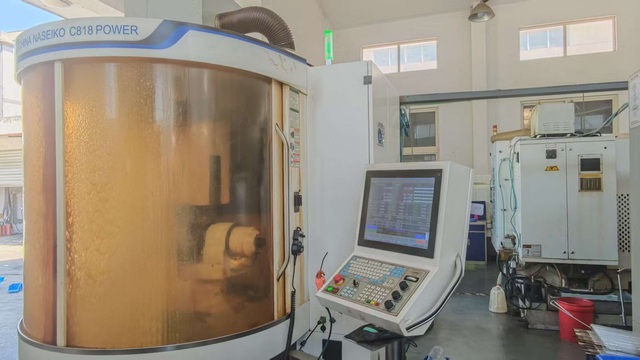
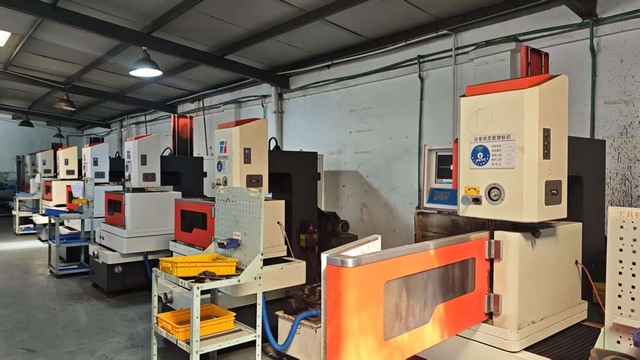
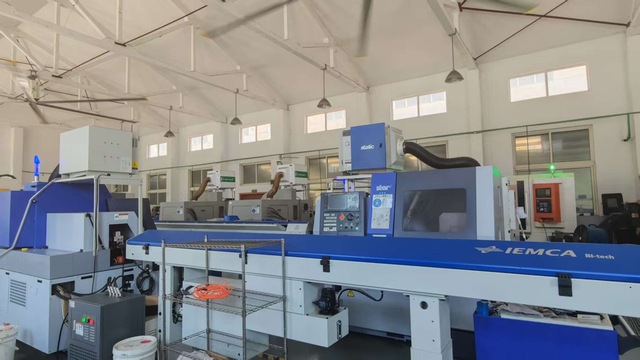
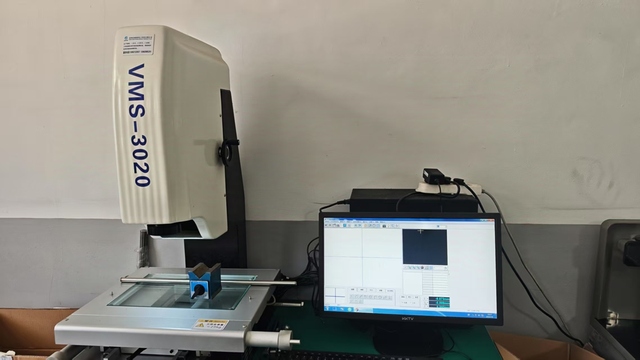
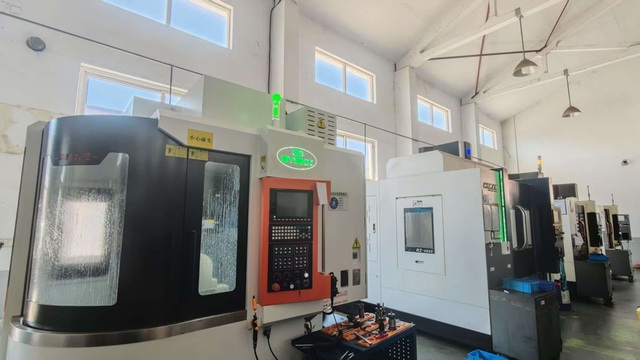
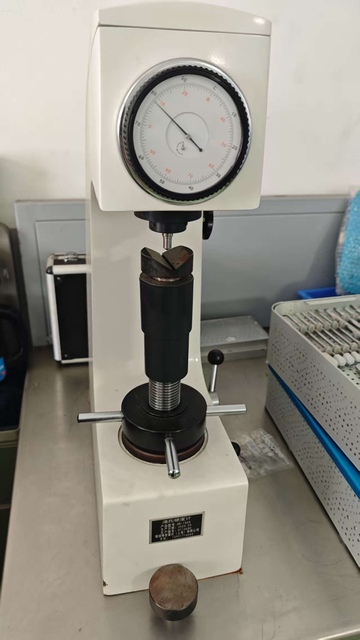
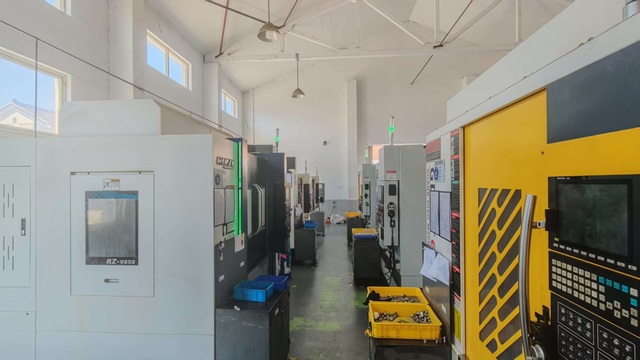
Medisage Medical's manufacturing facility, Shuangyang Medical, is situated in Zhangjiagang City, Jiangsu Province, spanning 18,000 square meters. Chinese medical engineering has underwent a qualitative paradigm shift. By integrating Swiss-type CNC automatic lathes, high-precision wire-cut EDM machinery, and multi-axis milling centers, the facility produces implants with tolerances smaller than 5 microns. This technological precision prevents screw cross-threading and micro-motion issues, which are critical performance parameters for orthopedic surgeons.
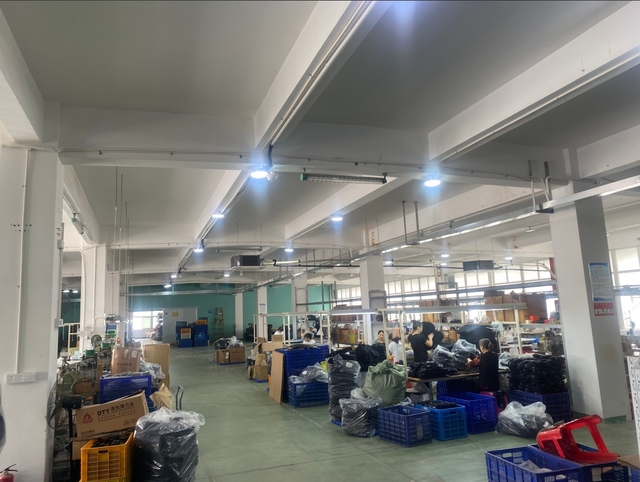
Additionally, the centralized supply chain in Zhangjiagang enables efficient sourcing of raw materials, optimized surface anodization treatments, and automated cleanroom packaging under ISO Class 7/Class 10,000 conditions. This high-efficiency manufacturing model allows us to offer premium orthopedic locking plates at highly competitive price-to-quality ratios. Our pricing helps Baltic hospitals optimize their clinical budgets, ensuring access to cutting-edge trauma implants without financial compromise.
How variable-angle locking plates and patient-specific contours are changing modern orthopedics.
Standard implants often fail in osteoporotic bone due to screw pull-out. Our locking systems lock the screw to the plate, creating a single structural unit that distributes forces across the entire construct, minimizing construct failure in aging patients.
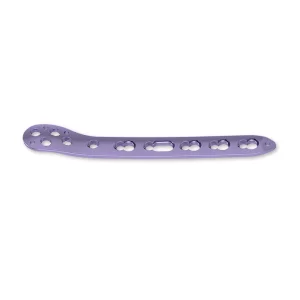
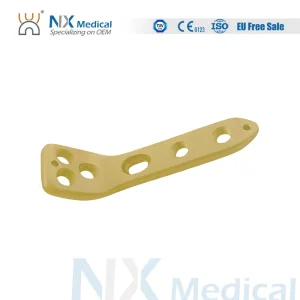
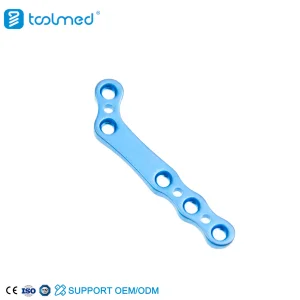
Pre-contoured locking plates eliminate the need for intra-operative bending. Variable-angle locking technology allows up to 15 degrees of screw angulation, enabling surgeons to target specific bone fragments and avoid existing implants or joint spaces.
Pediatric systems require smaller dimensions, lower profiles, and specialized mechanical structures to preserve growing growth plates. Our miniature locking plates provide targeted fixation for pediatric patients and smaller bone structures.
Latvian B2B procurement managers and biomedical engineers must evaluate several factors when selecting suppliers:
Medisage Medical's dual-brand structure (Medisage and Shuangyang Medical) addresses these needs, offering direct communication, optimized logistics, and complete regulatory support.
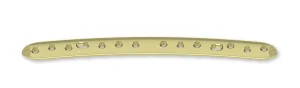
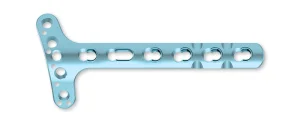
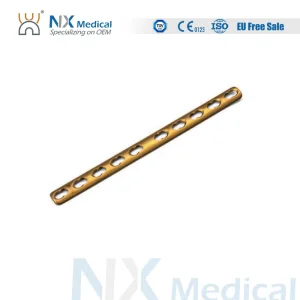
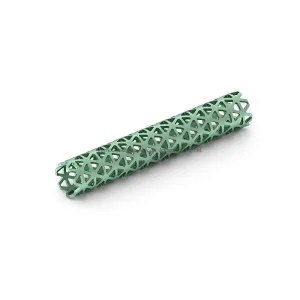
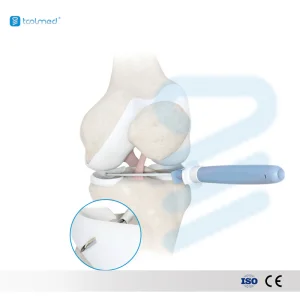
A comprehensive selection of orthopedic trauma implants, plates, and screw devices built for global clinical requirements.
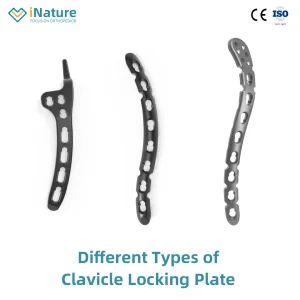
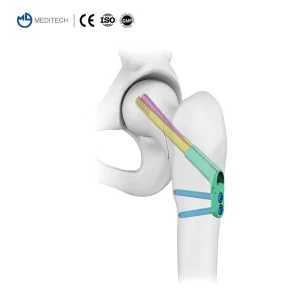
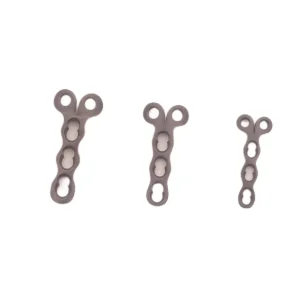
Detailed professional guidance on importing, sterilizing, and using orthopedic locking plate systems.
Seeking technical specifications, mill certificates, or a localized quote for orthopedic locking plate systems in Latvia? We provide comprehensive data sets and compliance reports.
Send Inquiry Now