 Medisage Medical
Medisage Medical
Medisage Medical
Engineered for minimal invasiveness and reliable clinical outcomes in the Australian Capital Territory.
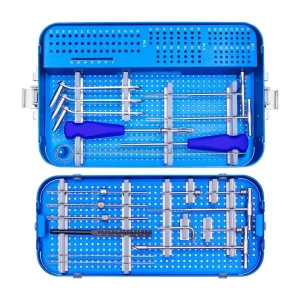
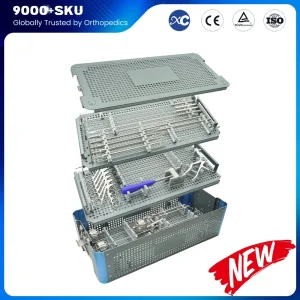
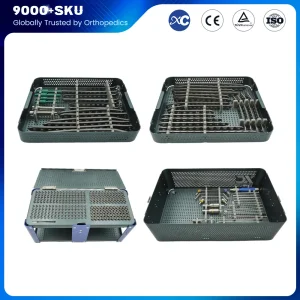
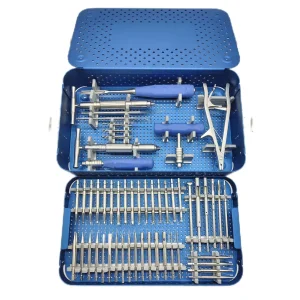
An in-depth perspective on quality requirements, healthcare infrastructure, and material science criteria in the ACT.
The Australian Capital Territory (ACT) healthcare network, centered in Canberra, demands the highest standards of clinical precision, mechanical integrity, and biological safety for orthopedic intervention. With prominent facilities like the Canberra Hospital—a major level 1 trauma center—and Calvary Public Hospital Bruce alongside specialized private institutions, the local demand for advanced orthopedic surgical instruments and implant systems is growing steadily. As the ACT population demographics shift, clinical practitioners face a higher incidence of degenerative bone diseases, geriatric fractures, and complex reconstructive cases.
Modern orthopedic surgeries rely heavily on the symbiosis between the implantable device and the instrumentation used to deliver it. A suboptimal screwdriver, a misaligned drill guide, or an unpassivated instrument can result in intraoperative complications, increased surgical duration, or post-operative hardware failure. In Australia, the Therapeutic Goods Administration (TGA) maintains strict regulatory oversight, demanding that instruments satisfy the Class I (Reusable Surgical Instrument) requirements, and implants fall under Class IIb or Class III categories. Choosing a manufacturing partner that understands this regulatory architecture is paramount for Canberra-based distributors, surgical departments, and healthcare procurement professionals.
Worldwide, the sourcing of orthopedic devices is transitioning from local boutique machining to large-scale, highly certified global manufacturing hubs. To maintain competitive cost-effectiveness without sacrificing clinical efficacy, advanced health networks in Australia, Europe, and North America depend on manufacturers that run ISO 13485 certified production lines. Key materials such as ASTM F136 Titanium Alloy (Ti-6Al-4V ELI) and ASTM F138 316L Stainless Steel form the backbone of these systems. The chemical composition, grain structure, and surface passivation of these metals must be meticulously controlled to prevent galvanic corrosion and ensure osseointegration.
A global leader in the design, development, and high-precision production of orthopedic implant systems.
Hangzhou Medisage Medical Co., Ltd. was founded in 2001. Its manufacturing base, Shuangyang Medical, is located in Zhangjiagang City, Jiangsu Province, covering an area of 18,000㎡, with a building floor area exceeding 15,000㎡. The company has a registered capital of 20 million Yuan and specializes in the research, design, and manufacturing of orthopedic implant systems and surgical instruments.
With over two decades of industry experience, Medisage has established itself as a leading manufacturer in the field of orthopedic implants. Our comprehensive product portfolio includes trauma fixation systems, cranial and maxillofacial implants, and a wide range of precision surgical instruments. Supported by advanced production facilities and strict quality management systems, we ensure that every product meets international standards for safety, reliability, and performance.
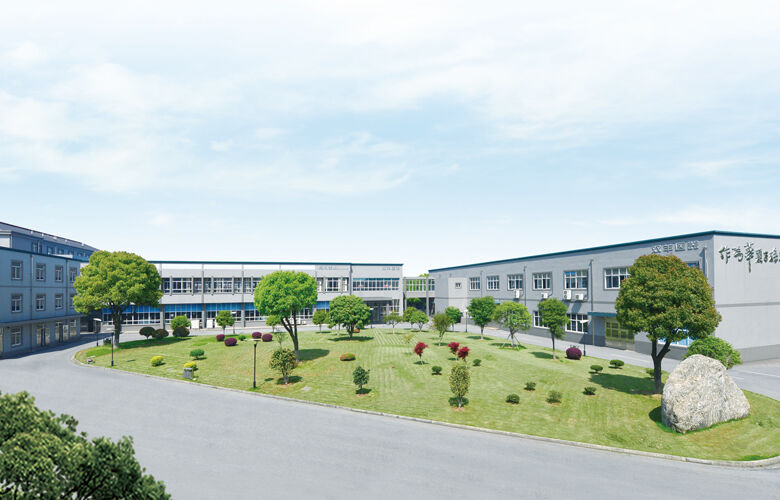
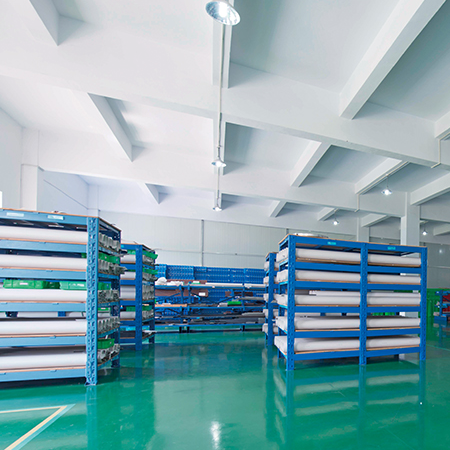
Shuangyang Medical has successfully supplied products to more than 1,000 clients across over 120 countries, earning a strong reputation for quality and consistency in the global medical market. Our experienced team is dedicated to continuous innovation, technical excellence, and customer-focused solutions.
Guided by the philosophy of “people-oriented, integrity first, continuous innovation, and pursuit of excellence,” Hangzhou Medisage Medical Co., Ltd. remains committed to safeguarding human health and delivering trusted orthopedic solutions worldwide.
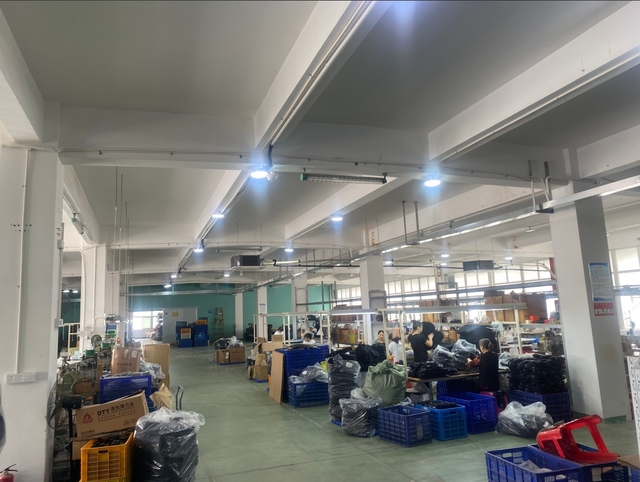
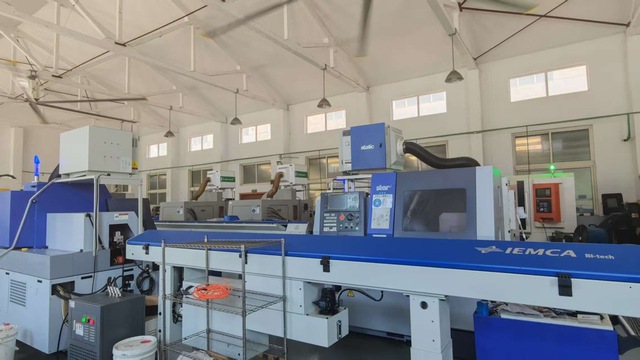
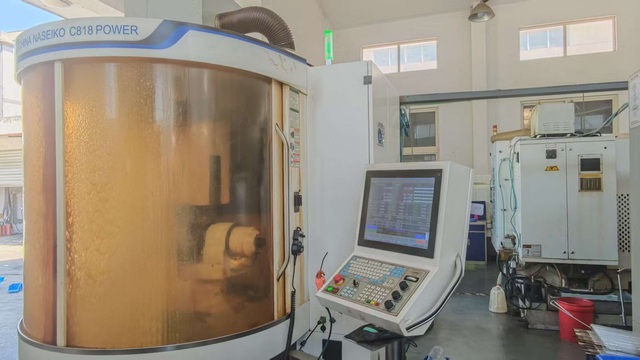
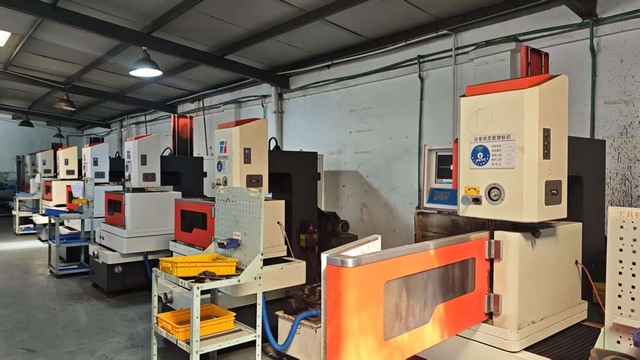
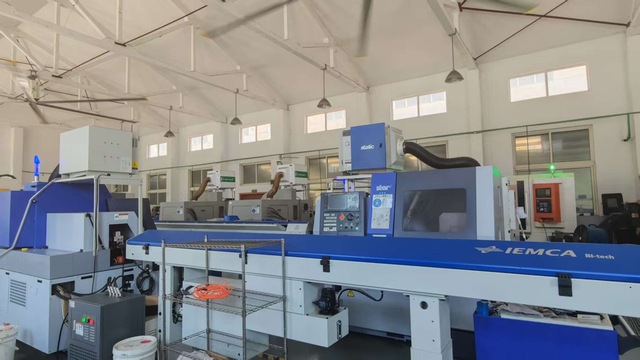
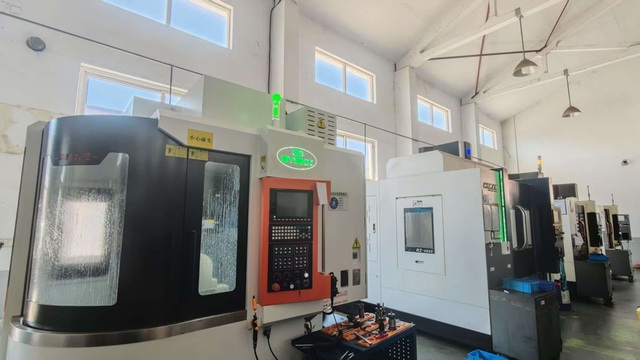
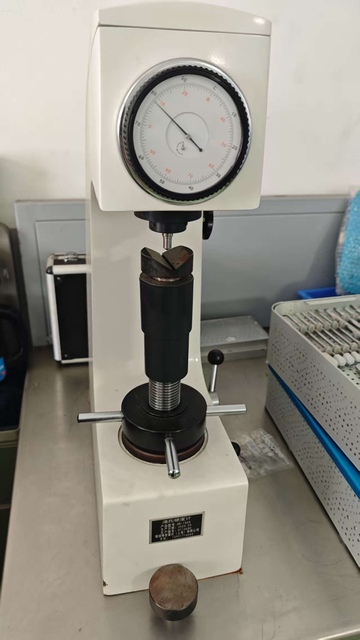
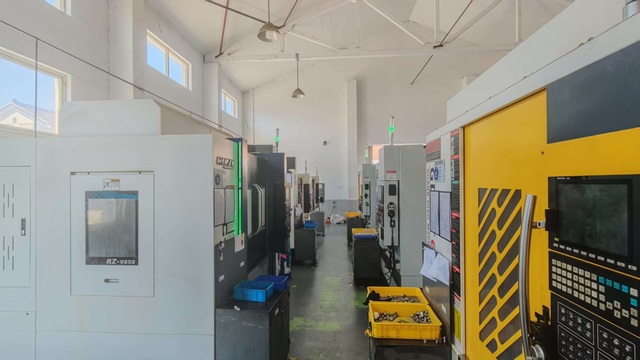
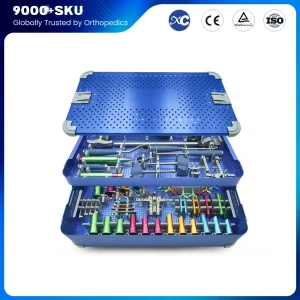
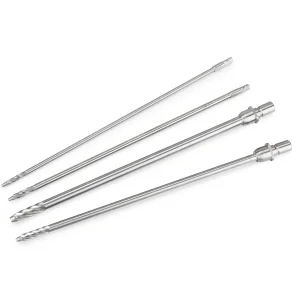
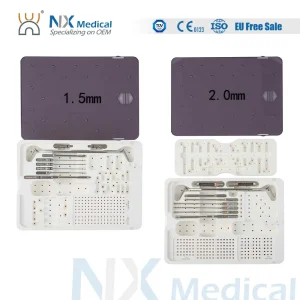
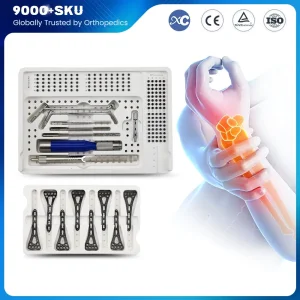
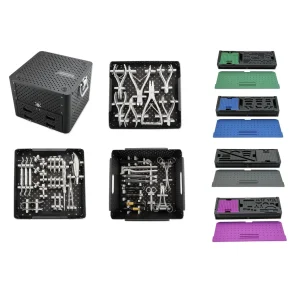
Advanced instrumentation kits supporting precise anatomical reduction and rigid stability.
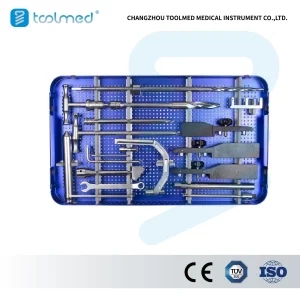
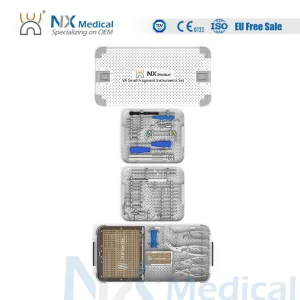
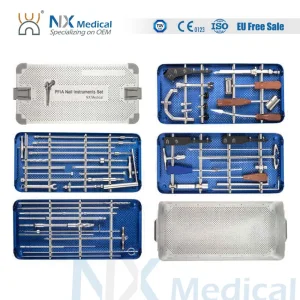
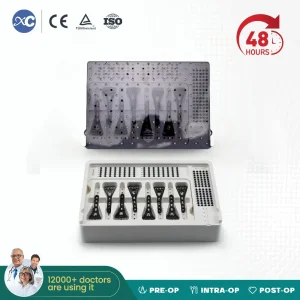
A closer look at the advanced material formulations and surface treatments defining modern implantology.
For implants to survive the biomechanically hostile environment of the human body, the underlying material science must be flawless. Medisage utilizes high-grade biocompatible titanium alloys (Ti-6Al-4V ELI) conforming to the ASTM F136 standard. This material offers an optimal strength-to-weight ratio, excellent corrosion resistance, and low elasticity close to that of cortical bone, minimizing stress shielding. Additionally, for temporary fixation devices and complex reusable instruments, we employ premium surgical-grade stainless steels conforming to ASTM F138 (316L) and hard-hardening martensitic stainless steels that retain sharpness and torque resistance over hundreds of sterilization cycles.
Raw titanium, while naturally biocompatible, benefits significantly from controlled electrochemical treatment. Medisage employs Type II and Type III anodization. Type II anodization creates a hardened outer layer that significantly reduces friction and wear debris generation in interfaces such as locking screw holes and plate interfaces. Type III anodization (color coding) allows rapid visual identification of instrument diameters and screw types during high-pressure clinical scenarios in Canberra Operating Theatres.
For stainless steel instruments, passivation is a critical post-machining process. It involves bathing the instruments in specialized acid solutions to remove free iron from the surface, leaving a rich chromium oxide passive layer. This layer prevents pitting, crevice corrosion, and rust generation during high-temperature steam autoclaving (typically 134°C at 2.1 bar for 4-15 minutes).
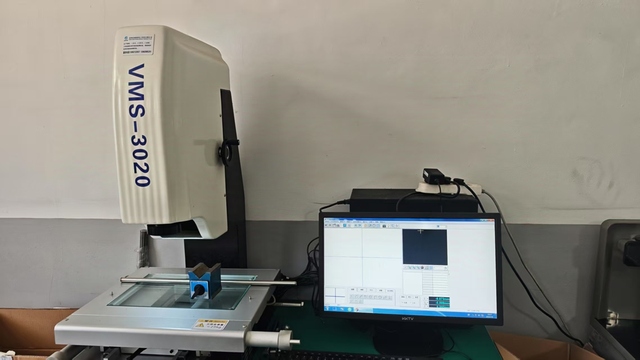
A surgical instrument set is only as good as its dimensional tolerance. In our ISO 13485 certified facility, we use Coordinate Measuring Machines (CMM) and digital optical profile projectors to verify dimensions down to ±0.01mm. This level of precision ensures that a cannulated drill bit matches the inner lumen of the corresponding cannulated screw perfectly, avoiding binding or intraoperative drill bit breakage. This reliability is highly valued by surgical directors at Canberra Hospital, where procedural efficiency is tied directly to hospital KPIs.
Surgical teams and purchasing managers can utilize the technical specifications below to determine the ideal material pathways for specific clinical indications:
| Material Parameter | Titanium Alloy (Ti-6Al-4V ELI - ASTM F136) | Stainless Steel (316L - ASTM F138) | PEEK (Polyetheretherketone) |
|---|---|---|---|
| Elastic Modulus (GPa) | 110 - 114 (Closer to Bone) | 190 - 200 (Higher Stiffness) | 3.6 - 4.0 (Very Close to Bone) |
| Tensile Strength (MPa) | ≥ 860 | ≥ 490 | 90 - 100 |
| Corrosion Resistance | Excellent (Self-passivating TiO2 film) | Good (Requires chemical passivation) | Inert |
| Radiolucency | Semi-radiolucent (Minimal artifacting) | Radiopaque (Significant artifacts) | Fully Radiolucent (Ideal for Spine) |
| Primary Indication | Permanent Implants, Locking Plates | Temporary Trauma Fixation, Instruments | Spinal Cages, Interbody Spacers |
Navigating Australian compliance pathways and maintaining a highly resilient supply chain for ACT hospitals.
Entering the Australian medical device market requires absolute compliance with the Therapeutic Goods Act 1989. All medical devices supplied in Australia must be included in the Australian Register of Therapeutic Goods (ARTG), which is managed by the TGA. Reusable surgical instruments are classified as Class I reusable, requiring a manufacturers' Declaration of Conformity and rigorous evidence of cleaning, disinfection, and sterilization validation in accordance with AS/NZS 4187 standards. Orthopedic implants, being long-term invasive devices, require extensive Clinical Evaluation Reports (CER) and verification of Class IIb or Class III conformity.
Medisage works closely with Australian sponsors and distributors to supply comprehensive technical documentation dossiers. These include detailed biocompatibility data (ISO 10993), packaging validation testing, shelf-life studies, and validation of sterilization cycles. This technical package ensures smooth, risk-free inclusion in the ARTG, preventing customs delays and regulatory audits that can stall medical supply contracts in Canberra.
Canberra hospitals operate on tight scheduling coordinates; delayed instrument kits translate to postponed surgeries and idle operating theatres. Medisage addresses this by establishing reliable supply agreements. Our manufacturing base in Zhangjiagang features large inventories of raw medical-grade materials, allowing us to maintain stable production lead times. Combined with direct air freight routes from Shanghai and Nanjing to Sydney and Canberra, we ensure that standard trauma instrument sets and replenishment hardware reach ACT clinical hubs with minimal transit delays.
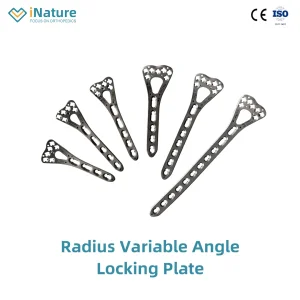
A full suite of specialized kits spanning trauma, maxillofacial, spinal, and revision surgeries.
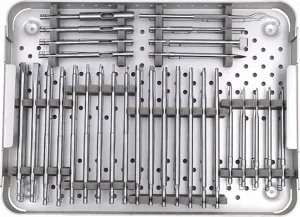
Detailed insights to support medical procurement agents and clinical managers in Canberra.
Partner with an ISO 13485 certified manufacturer to secure premium trauma, spine, and maxillofacial instrumentation sets for the Canberra market.
Send Inquiry Now