Medisage Medical
Medisage Medical
Medisage Medical
In modern orthopedic, spinal, and reconstructive surgery, the critical metric determining surgical success and long-term joint longevity is angular accuracy and alignment tolerance. Implant alignment technology has undergone a fundamental paradigm shift over the past two decades. Historically, surgeons relied heavily on mechanical freehand insertion techniques or static extramedullary and intramedullary cutting jigs. While functional, these conventional approaches exhibited inherent variance due to anatomical anomalies, soft-tissue tension, and visual parallax errors—often leading to implant malalignment exceeding 3 degrees or sub-millimeter trajectory deviations.
Today, the global medical device sector is witnessing the convergence of high-grade surgical metallurgy (such as Ti-6Al-4V ELI titanium alloys and biocompatible PEEK matrices) with digital, optical, and mechanical positioning frameworks. Advanced implant alignment technology now integrates dynamic visual alignment systems, variable-angle locking plate mechanics, and multi-axis micro-adjustable targeting instrumentation.
| Alignment Epoch | Core Technology | Angular Precision Margin | Clinical & Logistics Impact |
|---|---|---|---|
| Generation I (Legacy) | Manual freehand placement & static mechanical jigs | ± 3.0° to ± 5.0° | Higher revision rates; variable surgical duration; reliance on surgeon intuition. |
| Generation II (Standard) | Fixed-angle polyaxial locking plates & radiographic markers | ± 1.5° to ± 2.5° | Standardized trauma repair; reduced implant migration; improved bone contact. |
| Generation III (Modern China 4.0) | Variable-angle locking mechanisms, 3D/4D visual guidance & sub-micron CNC alignment instruments | < ± 0.5° / Sub-millimeter | Optimal stress distribution, minimal invasive trajectory, accelerated patient rehabilitation, global cost-efficiency. |
As a premier China implant alignment technology supplier & exporter, Hangzhou Medisage Medical Co., Ltd. has stood at the forefront of this evolution. By coupling zero-defect micro-machining with ergonomic targeting arm designs, our system configurations reduce intraoperative adjustment time by up to 35%, while eliminating mechanical drift during high-torque screw tightening sequence.
Sub-millimeter guide sleeves prevent drill bit deflection in dense cortical bone, preserving bone integrity and enabling exact screw trajectory alignment.
Fabricated using Medical Grade Ti-6Al-4V ELI (Extra Low Interstitial) alloy, delivering supreme fatigue strength and optimal elastic modulus matching bone properties.
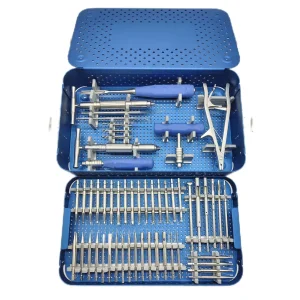
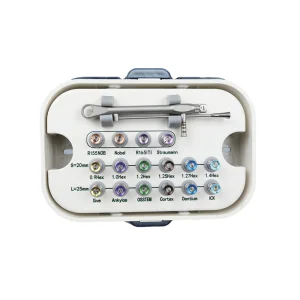
Color-coded quick-connect couplings allow seamless transition between reaming, targeting, and locking phases during high-stress trauma operations.
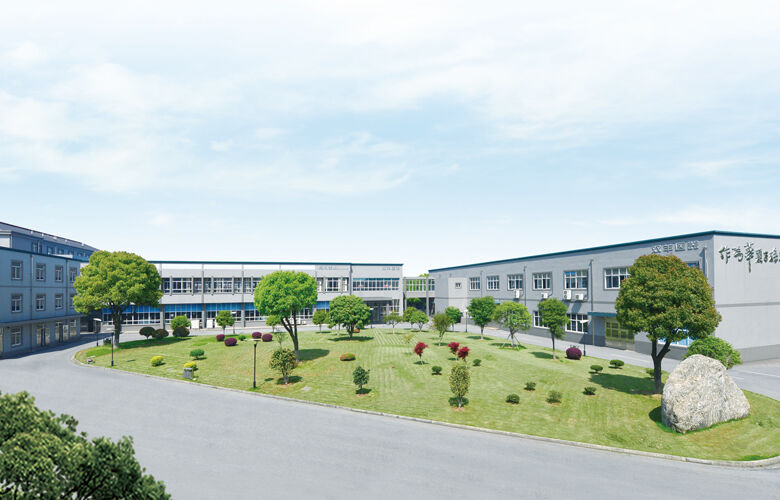
Hangzhou Medisage Medical Co., Ltd. was founded in 2001. Its manufacturing base, Shuangyang Medical, is located in Zhangjiagang City, Jiangsu Province, covering an area of 18,000㎡, with a building floor area exceeding 15,000㎡. The company has a registered capital of 20 million Yuan and specializes in the research, design, and manufacturing of orthopedic implant systems and surgical instruments.
With over two decades of industry experience, Medisage has established itself as a leading manufacturer in the field of orthopedic implants. Our comprehensive product portfolio includes trauma fixation systems, cranial and maxillofacial implants, and a wide range of precision surgical instruments. Supported by advanced production facilities and strict quality management systems, we ensure that every product meets international standards for safety, reliability, and performance.
Shuangyang Medical has successfully supplied products to more than 1,000 clients across over 120 countries, earning a strong reputation for quality and consistency in the global medical market. Our experienced team is dedicated to continuous innovation, technical excellence, and customer-focused solutions.
Guided by the philosophy of “people-oriented, integrity first, continuous innovation, and pursuit of excellence,” Hangzhou Medisage Medical Co., Ltd. remains committed to safeguarding human health and delivering trusted orthopedic solutions worldwide.
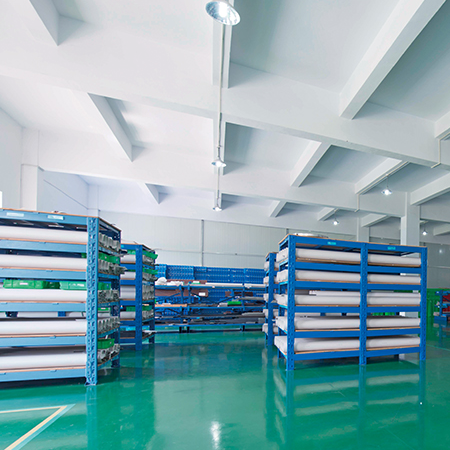
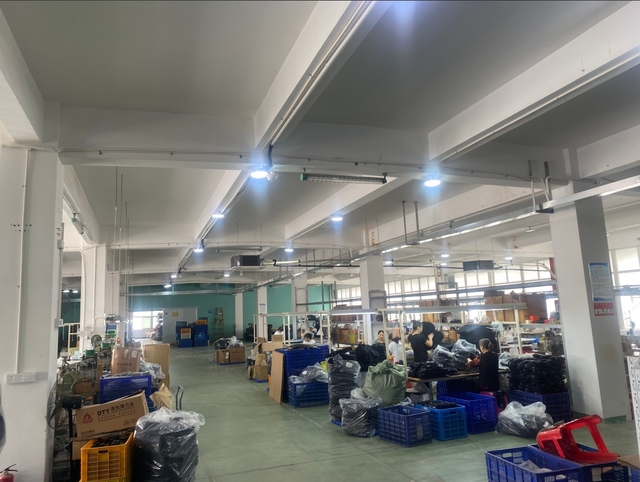
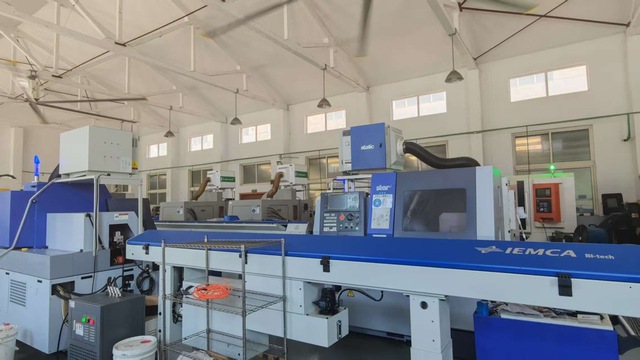
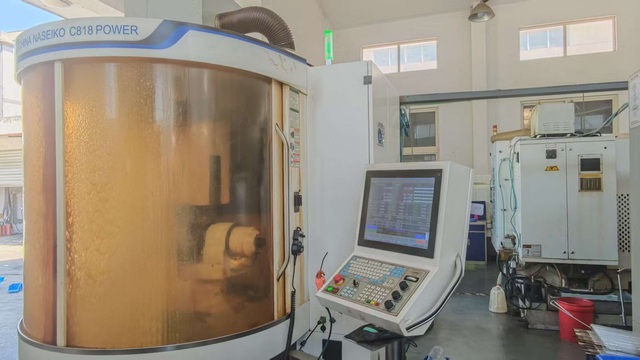
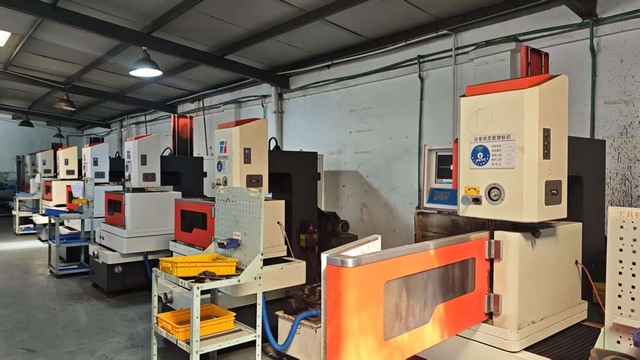
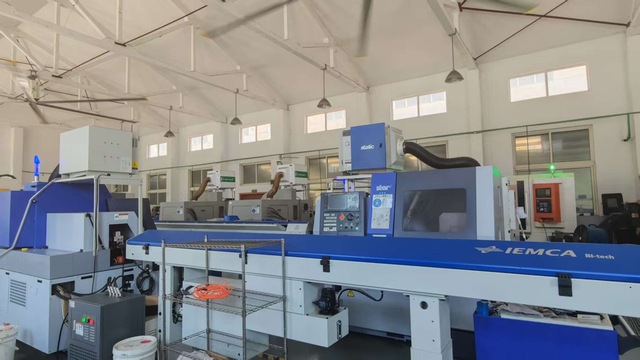
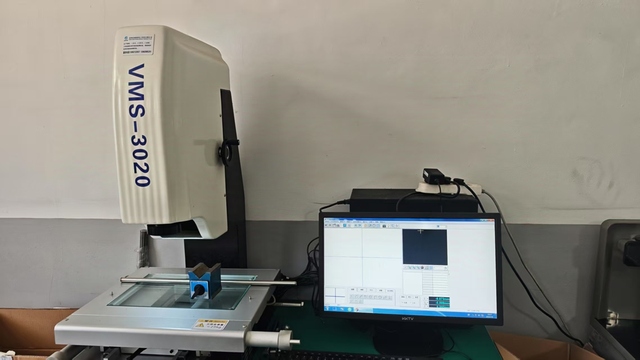
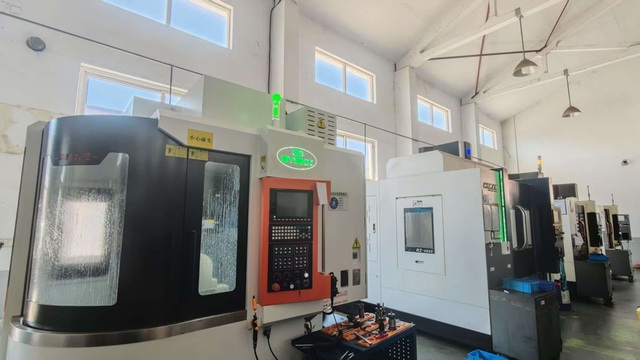
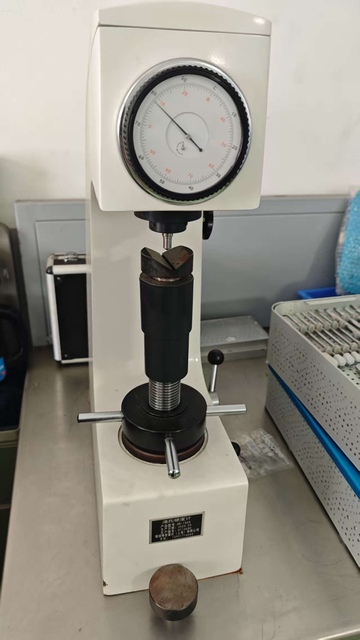
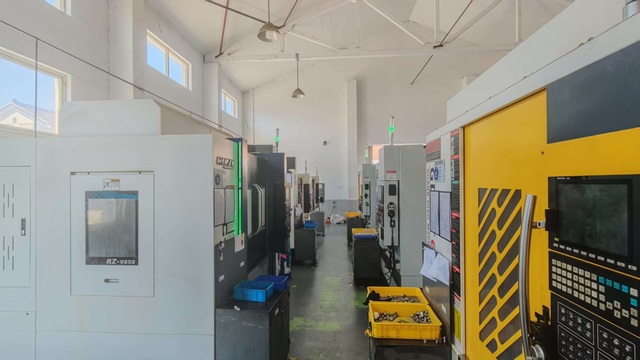
The global medical technology supply chain is experiencing significant pressure due to geopolitical realignments, inflation in raw material acquisition, and demand for rapid delivery turnaround. In response, China's medical device manufacturing sector has undergone a massive modernization initiative under Industry 4.0 principles. Centered in advanced industrial clusters like Zhangjiagang, Jiangsu, manufacturers have integrated 5-axis Swiss-type automated CNC milling lathes, robotic electrochemical anodization lines, and optical coordinate measuring machines (CMM) to deliver high-tier medical products at unprecedented scale.
Implant alignment tools and permanent titanium fixations require extreme mechanical consistency. Medisage utilizes certified medical-grade titanium alloys (ASTM F136 Ti-6Al-4V ELI and ISO 5832-3 compliance) sourced from audited global raw material producers. Through controlled thermal annealing and precision surface oxidation, our plates and screws achieve superior fatigue limit thresholds, eliminating the risk of micro-fractures during high-load anatomical stress.
Every single alignment jig, intramedullary locking nail, and spinal domino connector produced in our 15,000㎡ facility undergoes automated multi-stage optical inspection. Laser scanning micrometers measure thread pitch, taper angle, and locking mechanism tolerances to within ±0.002mm (2 microns). This ensures that when a surgeon engages a drill guide in an operating room in Hamburg, Tokyo, or São Paulo, the mechanical fit is instantaneous and wobble-free.
By controlling the complete workflow—from raw titanium bar stock milling and precision electrical discharge machining (EDM) to ISO Class 7 cleanroom packaging—Medisage insulates global healthcare distributors from market volatility. Our integrated supply ecosystem reduces lead times for complex custom OEM/ODM surgical alignment sets from industry averages of 16 weeks down to under 4 weeks.
When healthcare system directors, procurement executives, and medical distributors evaluate a China implant alignment technology supplier, the decision-making framework extends beyond simple unit pricing. High-performing global supply chains demand a deep evaluation of regulatory risk, engineering flexibility, quality management systems (QMS), and post-market support capabilities.
Verify ISO 13485:2016 certification and Medical Device Directive (MDD/MDR) compliance. Ensure full raw material lot traceability and biocompatibility testing records (ISO 10993).
Assess the supplier's engineering team responsiveness. Can they modify plate profiles, trajectory drill sleeves, or instrument tray layouts to meet specific regional surgical preferences?
Factor in tool lifespan, maintenance cycles, and tray sterilization durability. China suppliers like Medisage offer high-durability stainless steel/titanium instrumentation that withstands 1,000+ autoclave cycles.
The versatility of Medisage’s implant alignment technology portfolio enables precise clinical intervention across multiple anatomical disciplines. Below is a analysis of real-world surgical field scenarios where high-precision alignment systems drive operational outcomes.
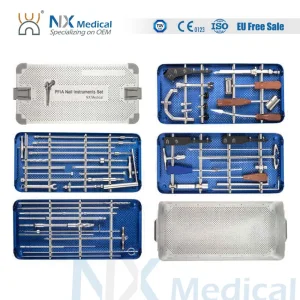
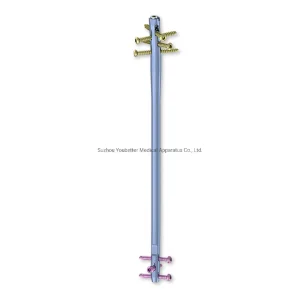
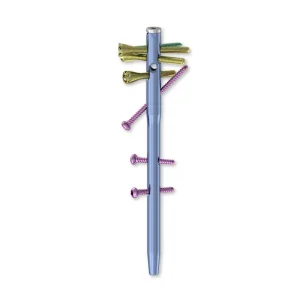
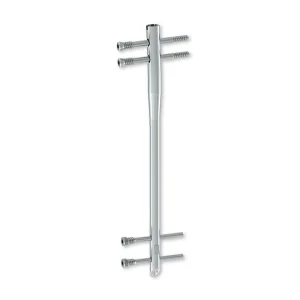
In complex femoral and humeral shaft fractures, maintaining rotational alignment and anatomical length is vital. The Intramedullary Nail System for Trauma Surgery incorporates proximal and distal targeting jigs that align drill guides with sub-millimeter nail locking holes. This mitigates fluoroscopic exposure for surgical staff while eliminating freehand targeting errors during distal locking screw insertion.
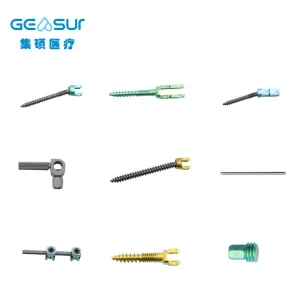
Spinal pedicle screw insertion allows zero room for trajectory error due to adjacent neurological structures. Using the Titanium Alloy Spine Pedicle Screw Domino Connector Posterior System, surgeons gain multi-planar rotational freedom during alignment, securing pedicle screws with controlled clamping forces that prevent screw migration and preserve motion segment geometry.
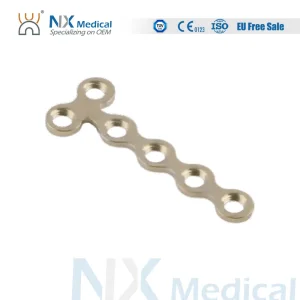
Micro-contouring of the facial skeleton demands specialized implants. The Variable Angle LCP Maxillofacial System enables dynamic angulation (±15°) of locking screws within the plate hole. This allows surgeons to target optimal bone stock while ensuring rigid fixation across irregular anatomical contours without pre-bending stress risers into the plate.
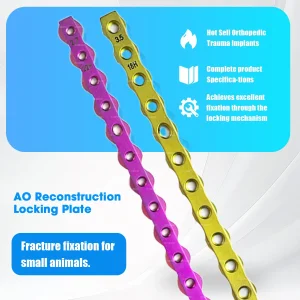
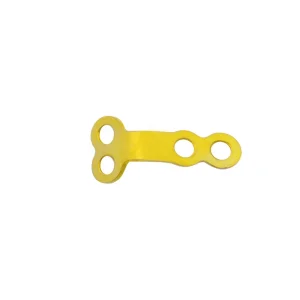
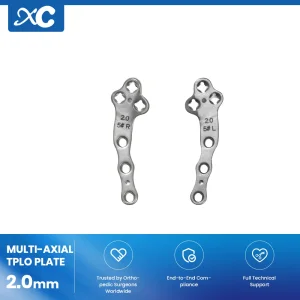
Veterinary orthopedic procedures require specialized biomechanical considerations. The TPLO Locking Bone Plates (2.0/2.4/2.7/3.5mm) provide anatomically contoured alignment profiles specifically tailored for canine Tibial Plateau Leveling Osteotomy. The contouring minimizes soft-tissue irritation while assuring immediate post-operative weight-bearing stability.