Medisage Medical
Medisage Medical
Medisage Medical
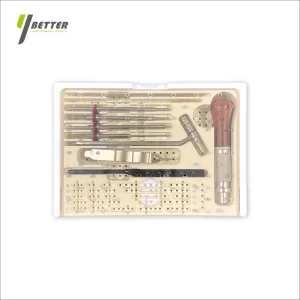
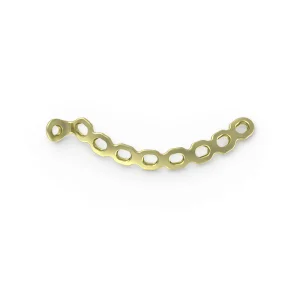
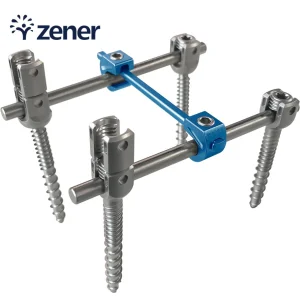
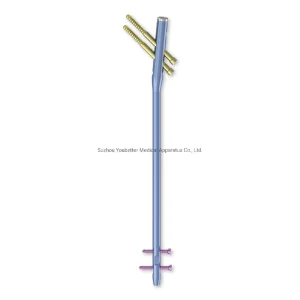
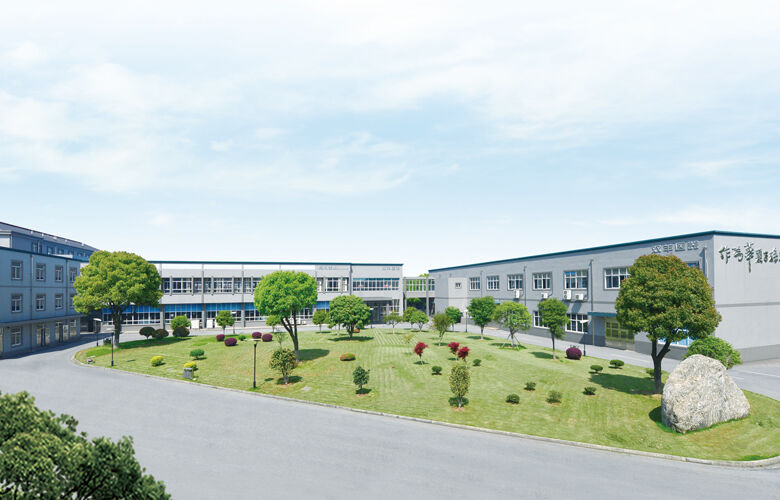
Hangzhou Medisage Medical Co., Ltd. was founded in 2001. Its manufacturing base, Shuangyang Medical, is located in Zhangjiagang City, Jiangsu Province, covering an area of 18,000㎡, with a building floor area exceeding 15,000㎡. The company has a registered capital of 20 million Yuan and specializes in the research, design, and manufacturing of orthopedic implant systems and surgical instruments.
With over two decades of industry experience, Medisage has established itself as a leading manufacturer in the field of orthopedic implants. Our comprehensive product portfolio includes trauma fixation systems, cranial and maxillofacial implants, and a wide range of precision surgical instruments. Supported by advanced production facilities and strict quality management systems, we ensure that every product meets international standards for safety, reliability, and performance.
Shuangyang Medical has successfully supplied products to more than 1,000 clients across over 120 countries, earning a strong reputation for quality and consistency in the global medical market. Our experienced team is dedicated to continuous innovation, technical excellence, and customer-focused solutions.
Guided by the philosophy of “people-oriented, integrity first, continuous innovation, and pursuit of excellence,” Hangzhou Medisage Medical Co., Ltd. remains committed to safeguarding human health and delivering trusted orthopedic solutions worldwide.
Across the global orthopedic landscape, the procurement of bone supplement products (commonly referring to implantable structural reinforcements, spinal fusion systems, trauma plates, and skeletal scaffolds) has shifted toward high-integrity material sciences. Modern hospital groups, medical device distributors, and public healthcare tenders place unprecedented weight on biological safety profiles, mechanical longevity, and supply chain continuity.
B2B buyers face several complex challenges when selecting partners for critical orthopedic bone reconstruction products:
Implants must match the modulus of elasticity of cortical human bone. If an implant is too rigid, it causes "stress shielding," leading to bone resorption. Sourcing implants like PEEK cages or custom alloy plates mitigates this clinical risk.
Only titanium alloys of medical grade (Ti-6Al-4V ELI) and PEEK polymer systems with FDA-registered master files (DMF) are viable. Absolute purity reduces post-operative inflammation and promotes osteointegration.
Securing CE MDR (European Medical Device Regulation), US FDA 510(k), and local NMPA certificates is mandatory. Sourcing without certified regulatory trace profiles halts custom clearances and compromises clinical administration.
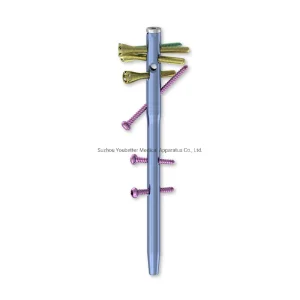
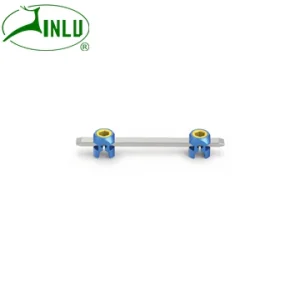
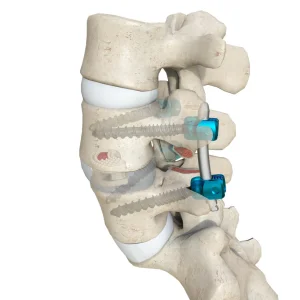
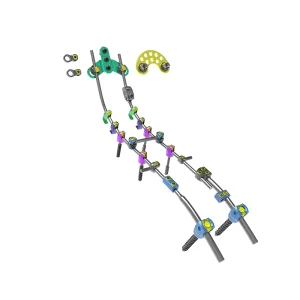
To resolve clinical failures like screw loosening, implant fracturing, or soft-tissue irritation, Hangzhou Medisage Medical implements macroscopic design adjustments. We utilize finite element analysis (FEA) to test how dynamic force distribution affects screws and locking plates. By designing low-profile plates (such as the Posterior Occipital-Cervical-Thoracic Spinal System), we reduce construct prominence and patient discomfort.
Moreover, modern bone reconstructive surgeries require tight synergy between structural implants and corresponding instrumentation. As a vertically integrated supplier, Medisage manufactures both the permanent implants and the surgical instrumentation kits. This closed-loop fabrication ensures perfect dimensional tolerances between screw threads, driver shafts, and plate locking mechanisms, eliminating the clinical risk of intra-operative stripping or cross-threading.
Our R&D roadmap is focused on transitioning from passive biomechanical splinting to active cellular interaction and bio-responsive implant structures.
Implementing acid-etched, sandblasted (SLA) surfaces on Titanium implants and developing PEEK porous surface geometries to optimize initial osteo-blast adhesion and speed up osseointegration.
Developing magnesium alloy-based bone screws and pins. These implants provide temporary mechanical support and dissolve slowly over time, eliminating the need for secondary removal surgeries.
Direct CAD-to-Implant selective laser melting (SLM) for patient-specific cranial, maxillofacial, and complex pelvic structural defects, mimicking patient bone density precisely.
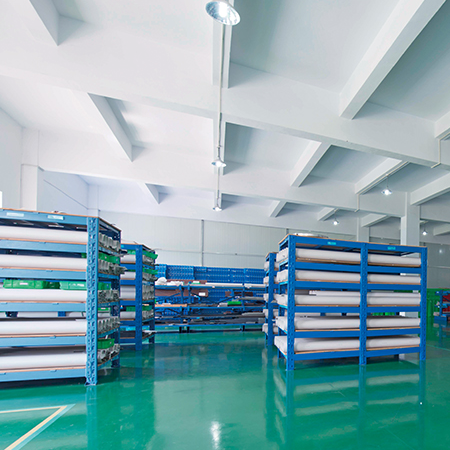
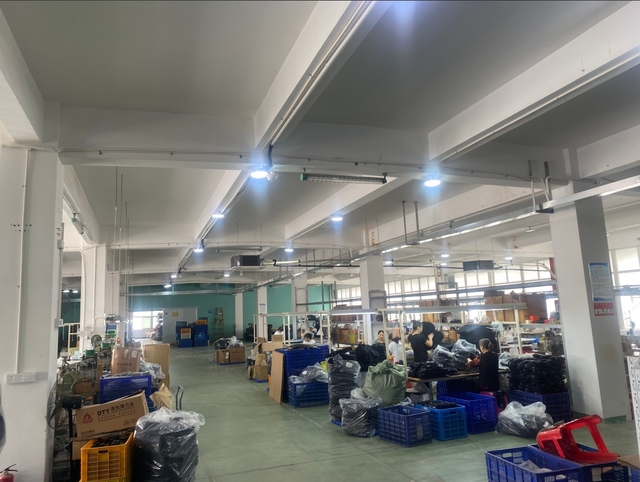
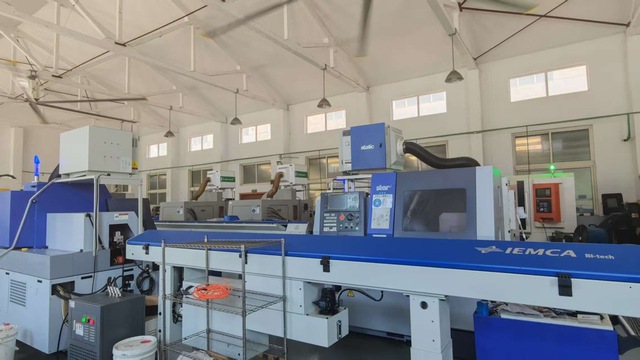
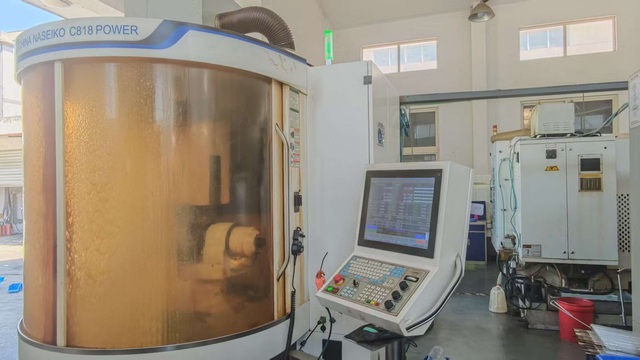
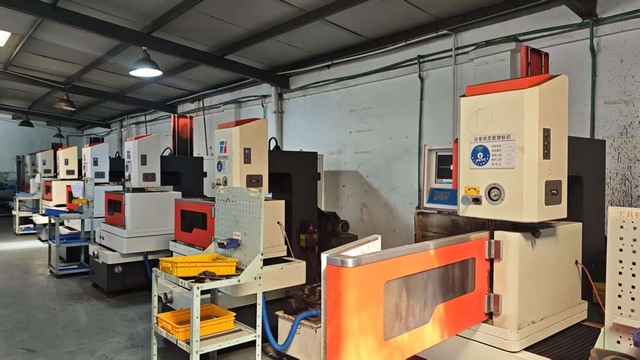
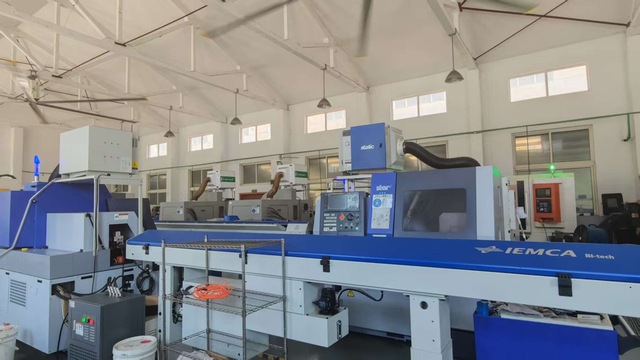
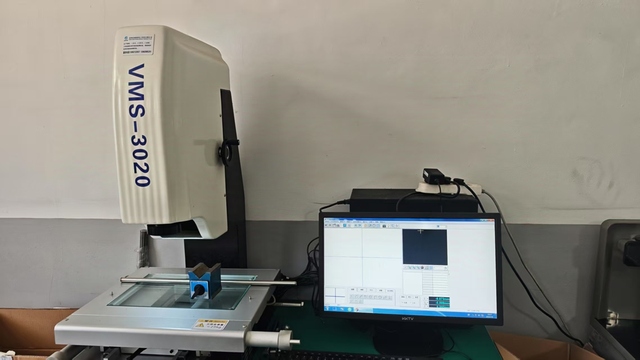
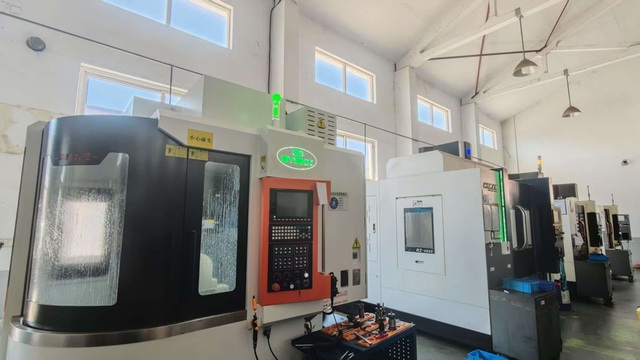
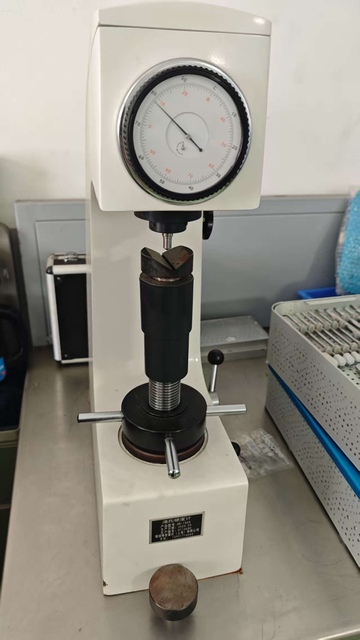
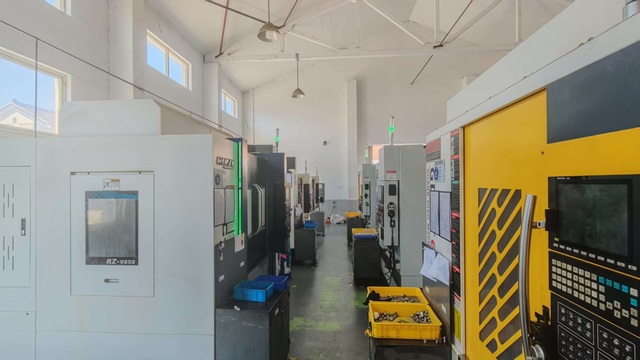
Shuangyang Medical's manufacturing facility uses advanced CNC Swiss lathes, wire EDM cutting machines, and automated multi-axis grinding centers. All critical steps, including final washing, passivation, packaging, and sealing, take place in ISO Class 7 (Class 10,000) cleanrooms to ensure complete sterility.
Importing medical devices into target regions like the European Union, Latin America, or the Middle East requires deep technical documentation. Medisage supports our partners by providing complete registration dossiers (Technical Files) compiled in accordance with standard Common Technical Document (CTD) protocols.
Our specialized regulatory affairs team handles clinical evaluation reports (CER), biocompatibility study logs (ISO 10993 testing data), and sterilization validation dossiers (ISO 11137). We also offer customized localized packaging, labeling, and multi-lingual Instructions for Use (IFU) to ensure compliance with local healthcare distribution requirements.