Medisage Medical Medisage Medical

China Wholesale Trauma Assessment Tools Manufacturer & Factories

Direct Factory Sourcing, Advanced Biomechanical Performance, and Medical-Grade Regulatory Compliance for Global Orthopedic Distribution

Industrial Whitepaper: The Strategic Roadmap for Sourcing Trauma Assessment & Implant Solutions

1. Enterprise Profile & Manufacturing Foundation

Founded in 2001, Hangzhou Medisage Medical Co., Ltd. (along with its state-of-the-art manufacturing base, Shuangyang Medical, located in Zhangjiagang City, Jiangsu Province) represents the vanguard of Chinese high-precision orthopedic implant design and manufacturing. Spanning a specialized layout of 18,000㎡ with a structural floor area exceeding 15,000㎡, the facility represents a modern biomechanical hub operating on a registered capital of 20 million Yuan.
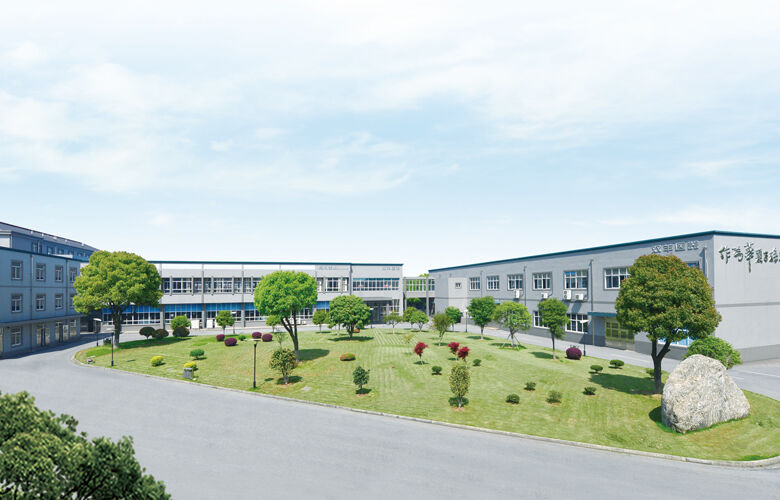
Shuangyang Medical Factory Exterior

With over two decades of focused industry execution, Medisage has established a seamless operational integration that spans research, design, production, and global commercialization of orthopedic implant systems and precision surgical instruments. Our structural product ecosystem encompasses trauma fixation systems, cranial and maxillofacial implants, spinal stabilization devices, and specialized joint-reconstruction systems. Each component is fabricated with raw material traceability records back to medical-grade Titanium alloys (Ti-6Al-4V ELI) and PEEK polymer matrices.

Key Corporate Milestone: Medisage has successfully built and optimized a distribution infrastructure that serves more than 1,000 B2B buyers, institutional partners, and hospital networks in over 120 countries, ensuring reliable product consistency in highly regulated global markets.

2. The Ecosystem of Modern Trauma Assessment & Treatment Tools

In emergency medicine, a trauma assessment tool is not limited to cognitive frameworks (such as the Injury Severity Score or Glasgow Coma Scale) but extends directly to the surgical instruments and internal fixation devices required to resolve orthopedic instability immediately. When surgeons address complex comminuted fractures or spinal deformities, the availability of precise, anatomically pre-contoured implant systems acts as the final therapeutic tool.
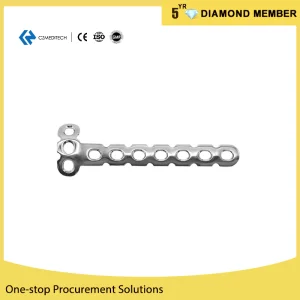
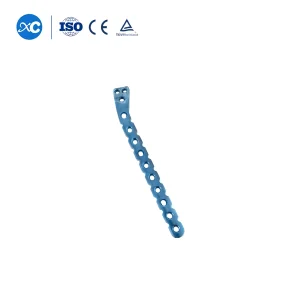
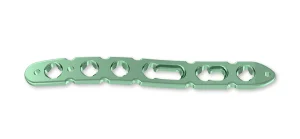
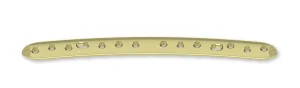
  • Anatomical Reconstruction Plates: L-Shaped, T-Shaped, and straight locking plates designed to match the morphology of long bone epiphyses and diaphyses. These plates feature combi-holes, allowing locking and compression screws to be used interchangeably.
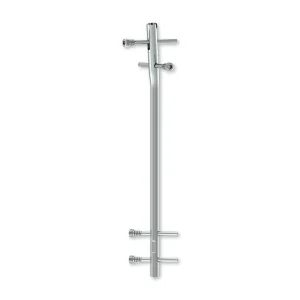
  • Intramedullary Nail Systems: Proximal locking nails optimized for minimally invasive entry techniques, reducing blood loss during emergent trauma surgeries.
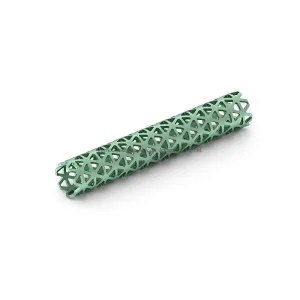
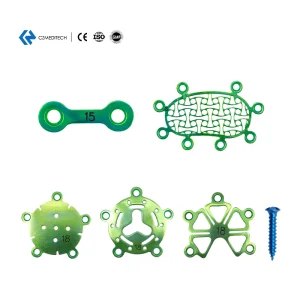
  • Cranial and Maxillofacial Plating: Ultra-low profile, micro-titanium meshes and plates engineered for cranial reconstruction, minimizing soft-tissue irritation and ensuring post-operative aesthetic symmetry.
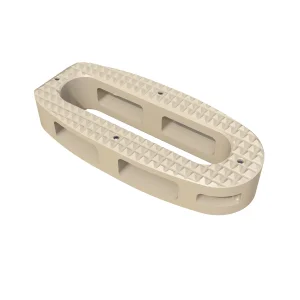
  • Spinal Fixation Configurations: Polyaxial screws, rods, and cervical/lumbar cages built to withstand dynamic shear stresses while encouraging osteointegration.

Advanced Cleanroom Production

3. China Supply Chain Economics & Production Quality Controls

The comparative advantage of sourcing trauma tools from China lies in the cluster effect of medical-grade manufacturing. Zhangjiagang City (Jiangsu) represents a hub of advanced metallurgy, raw material validation, and precision tooling infrastructure. By sourcing from a vertically integrated facility like Shuangyang Medical, international distributors benefit from scale economies without sacrificing quality.

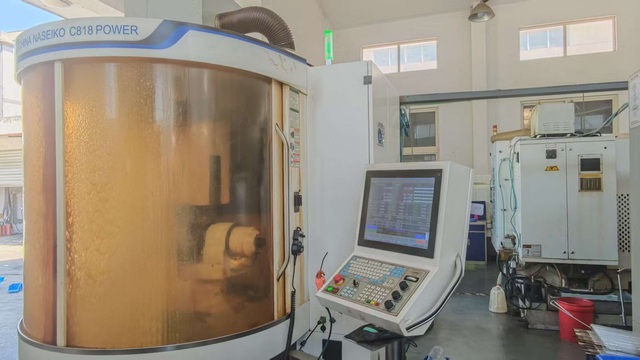
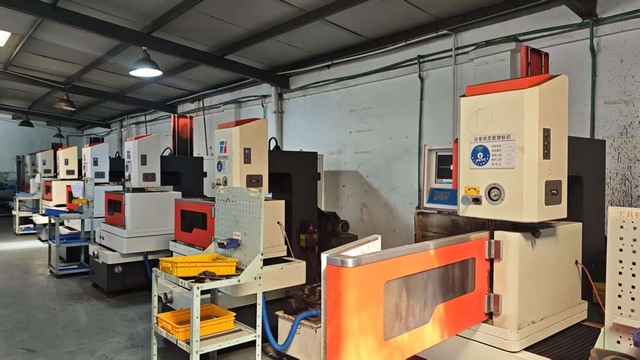
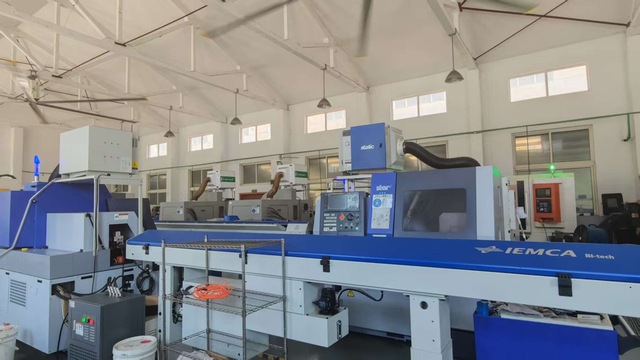
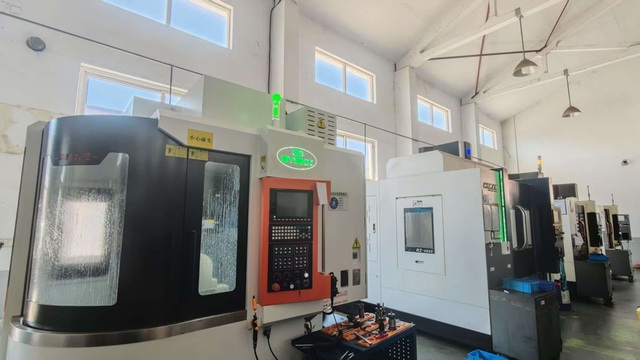
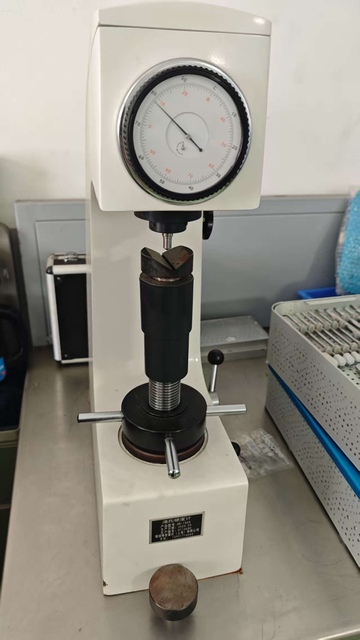
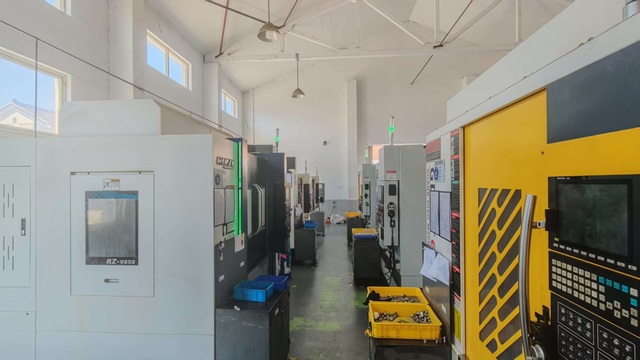
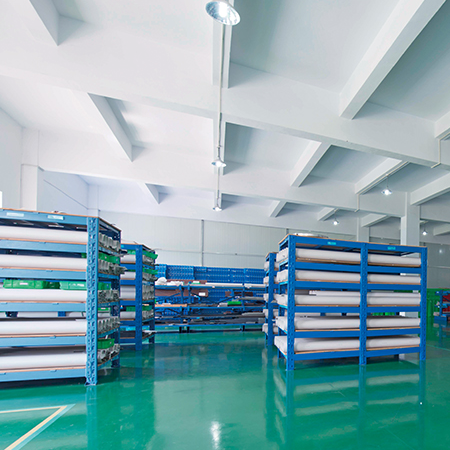
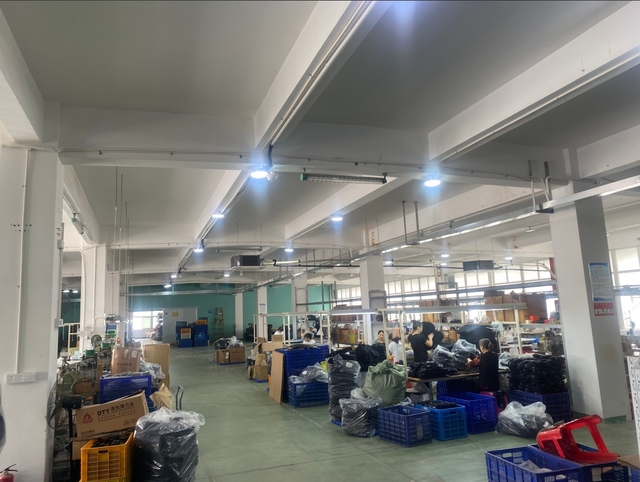
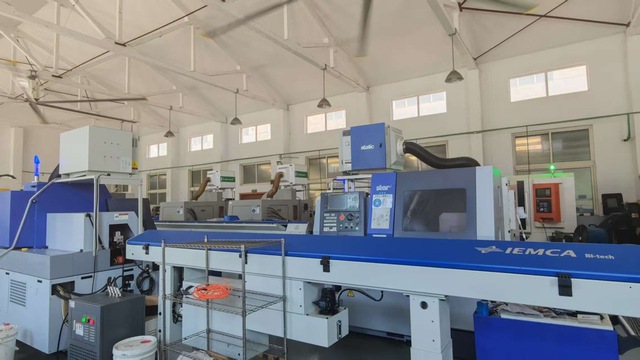
Our manufacturing floors utilize high-axis CNC milling centers, precision EDM machining, and computerized laser marking lines. Every batch of material undergoes metallographic testing, mechanical performance testing (tensile and torsional fatigue limit testing in compliance with ASTM F382/F543 specifications), and bio-burden testing in ISO Class 7 cleanrooms.

2001
Year Founded
18,000㎡
Production Space
120+
Countries Reached
1,000+
Global B2B Clients

4. Localization Support, Regulatory Assurance & Custom Configurations

Medical regulations vary across regional borders. For EU markets, compliance with the Medical Device Regulation (MDR 2017/745) is critical. In the United States, FDA 510(k) clearances dictate distribution rights, while other regions require ANVISA (Brazil), TFDA (Thailand), or local registrations.

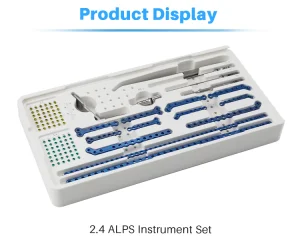
Hangzhou Medisage supports local registration efforts by supplying comprehensive Technical Dossiers, including ISO 13485 Quality Management System certificates, CE documentation, and clinical evaluation files. We also provide customized OEM/ODM packaging, offering sterile double-barrier packaging or customized graphic instrument cases containing specific arrays of screws and plates optimized for regional surgical techniques.

5. Localized Clinical Application Scenarios

Trauma assessment tools and internal fixation systems are deployed in distinct clinical scenarios worldwide:

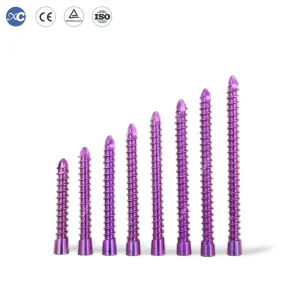
  • Emergency Level-1 Trauma Centers: Sourcing high-volume, standard titanium locking plates and cancellous/cortical screws is critical to maintaining adequate inventory for acute traffic accidents and high-fall injuries.
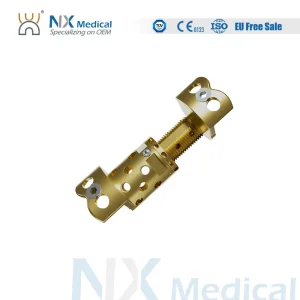
  • Spinal Surgery Units: Surgeons require expandable spinal cages and posterior cervical cross-link networks to address biomechanical structural failures or complex tumor resections.
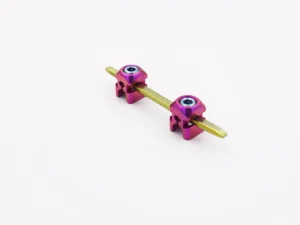
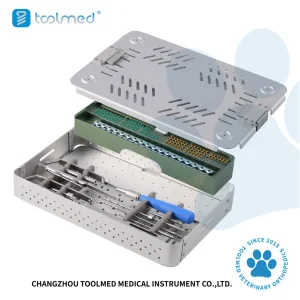
  • Veterinary Medical Centers: Specialized animal surgical clinics utilize micro-locking plate systems (such as the Alps Small Animal Kit) to manage feline and canine orthopedics, matching the lower bone-density parameters of small animals.

6. Industry Trends & Scientific Breakthroughs

The orthopedic trauma sector is shifting from static, rigid fixation to dynamic, biology-supporting frameworks. Future manufacturing integrates:
  1. Additive Manufacturing (3D Printing): Direct laser metal sintering allows for patient-specific cranial and spinal implants with trabecular lattice structures that speed up bone ingrowth.
  2. Smart Bio-coatings: Medical-grade titanium plates coated with osteoinductive coatings (such as Hydroxyapatite or Silver Ion antimicrobial coatings) to limit post-surgical infection risks.
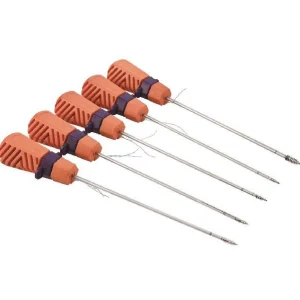
  3. Minimal-Invasive Instruments: Suture anchor systems and percutaneous insertion guides designed to decrease operating times and facilitate faster patient rehabilitation.
Factory Certificate or Product Details
CNC Precision Milling Machine
Cleanroom Packaging Process
Orthopedic Raw Material Bars
CNC Machine Programming
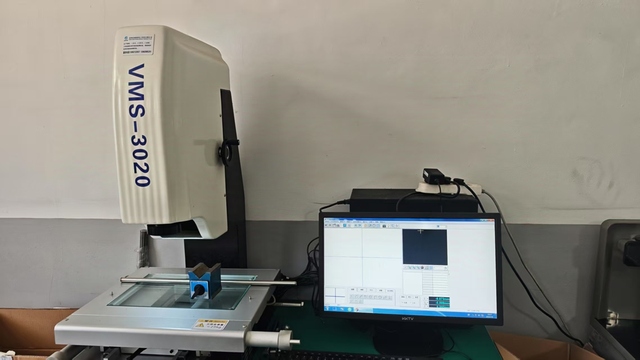
QA Surface Examination
Final Polish Inspection
Sterilization Unit Area
Finished Product Warehouse

Expert Procurement FAQ

Technical & logistic parameters for professional global buyers.

What raw materials are used in your trauma implant systems?
We primarily use medical-grade Titanium Alloys (such as Ti-6Al-4V ELI conforming to ASTM F136 specifications) for excellent biocompatibility and high fatigue limits. For spinal implants and suture anchors, we also use high-strength polymers like PEEK (Polyetheretherketone) and high-grade stainless steels when required by specific mechanical application criteria.
How does Shuangyang Medical ensure international quality regulatory compliance?
Our facilities operate in strict compliance with the ISO 13485 quality management standard for medical devices. We have established tracking systems for each production stage—from raw material purchase, heat treatment, and precision CNC milling to cleanroom packaging and ethylene oxide (EO) sterilization. Certificates and test reports are provided for global custom clearance.
Are OEM/ODM and customized trauma instrument configurations supported?
Yes. We provide complete OEM/ODM options. We can customize the dimensions of reconstruction plates, modify screw pitches, or design specialized surgical instrument kits to meet the technical preferences of local orthopedic surgeons and distributor networks.
What are the MOQ (Minimum Order Quantity) and lead times for wholesale shipments?
MOQs vary by product line. For standard trauma plates and screw assortments, we accommodate flexible trial orders to support product registration steps. Standard lead times range from 15 to 45 days, depending on batch sizes and custom configuration requirements.
Do you manufacture implants for veterinary applications?
Yes, we design specialized veterinary implant kits (such as the Alps Mini Titanium Locking Plate System and TPLO solutions) tailored for small animals and canine orthopedics, matching veterinary mechanical loads.