Medisage Medical
Medisage Medical
Medisage Medical
The landscape of global orthopedic reconstruction, trauma care, and musculoskeletal rehabilitation is undergoing a profound structural shift. Demographic aging in developed regions such as North America, Europe, and Japan, coupled with the rapid modernization of healthcare infrastructure across developing economies, has catalyzed unprecedented demand for highly sophisticated, patient-matched surgical implants and rehabilitation instruments. Today’s clinical standards demand not just standard implant options, but highly customized OEM Orthopedic Rehabilitation Devices that interface seamlessly with advanced minimally invasive surgical protocols.
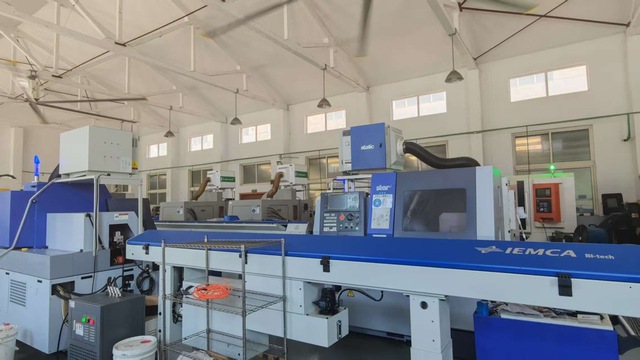
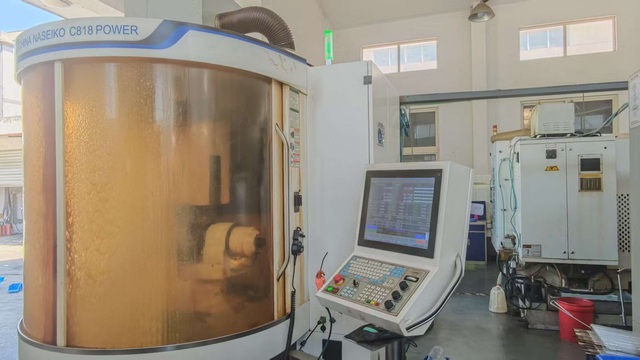
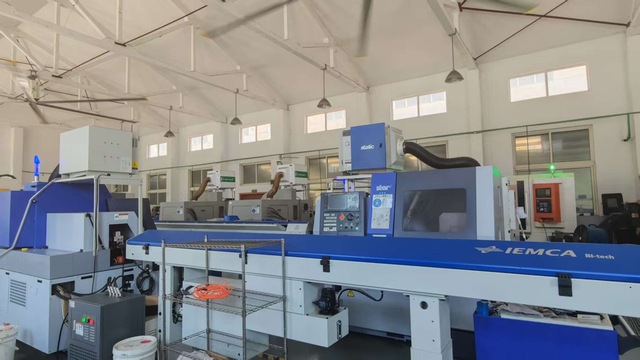
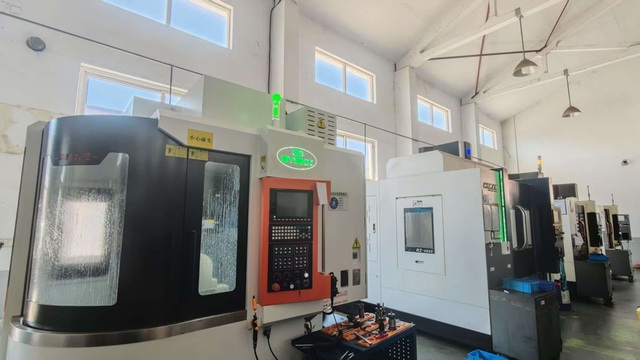
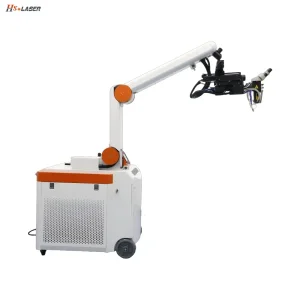
Modern clinical practices emphasize accelerated postoperative recovery (ERAS - Enhanced Recovery After Surgery). To support this paradigm, manufacturers must supply implants and instruments that offer extreme mechanical stability, bio-compatibility, and physiological synergy. Solutions must range from titanium alloy spinal internal fixators to ultra-durable shockwave therapy systems (ESWT) designed for post-surgical soft tissue rehabilitation. Achieving this combination of biomechanical compatibility and structural integrity requires cutting-edge fabrication processes, including multi-axis precision CNC machining, laser welding systems, and specialized titanium coating technologies.
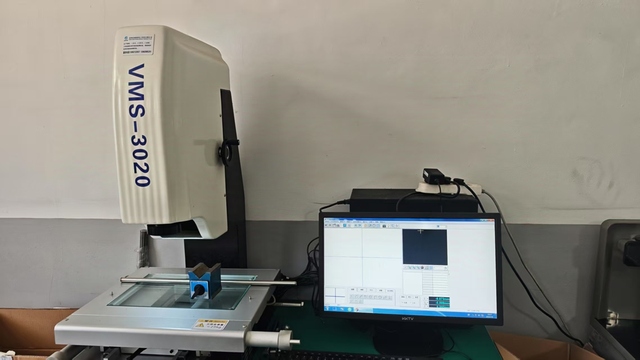
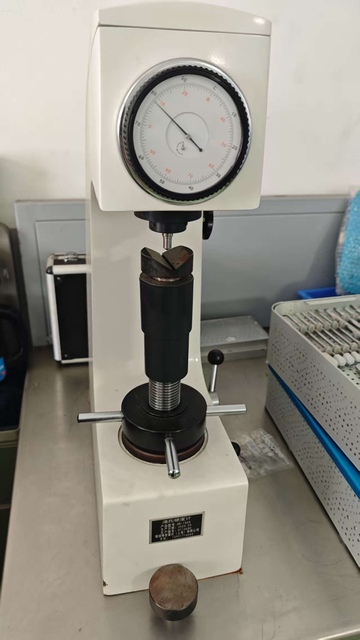
Navigating the global orthopedic supply chain requires rigid adherence to dynamic regulatory standards. In the EU, the transition from MDD to MDR has raised clinical proof requirements. Similarly, the US FDA 510(k) pathway requires exhaustive mechanical testing, including fatigue, torsion, and pull-out tests. Our systems are built to meet these rigorous validation standards from design to final inspection.
The materials of choice have evolved far beyond standard medical steel. Medical-grade titanium alloys (Grade 5, Ti-6Al-4V ELI) and PEEK (Polyetheretherketone) represent the modern standard for spinal fusion systems and trauma fixation. These materials offer elastic moduli closer to human cortical bone, reducing stress shielding and improving osteointegration.
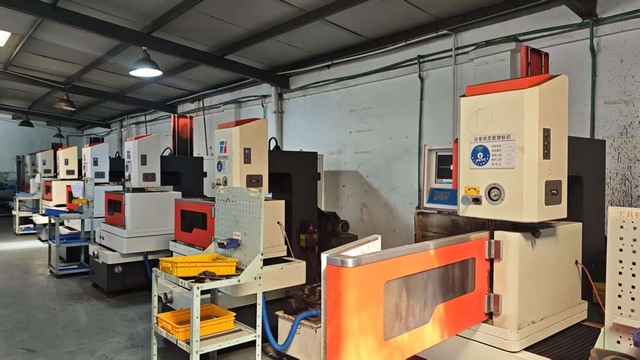
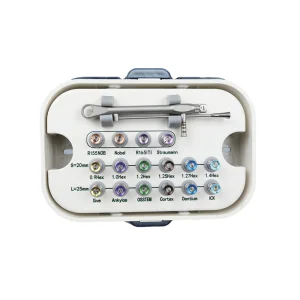
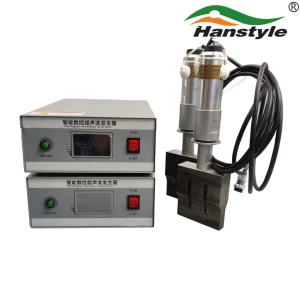
To reduce tolerances to the micron level, factories must integrate automated tool paths with computerized QA checks. The integration of high-frequency ultrasonic systems and laser-welding centers ensures hermetic tool boxes and surgical cassettes remain sterile and mechanically secure across hundreds of autoclave sterilization cycles.
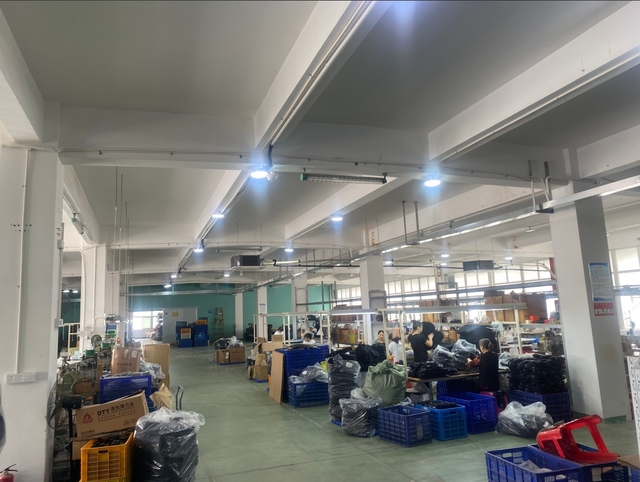
Hangzhou Medisage Medical Co., Ltd., alongside its premier manufacturing base, Shuangyang Medical (located in Zhangjiagang City, Jiangsu Province), has stood at the forefront of the orthopedic medical device sector for over 22 years. Spanning an expansive manufacturing footprint of 18,000 m² with a building floor area exceeding 15,000 m², the group operates with a registered capital of 20 million Yuan. This robust financial and operational infrastructure is dedicated entirely to the research, design, and manufacturing of premium orthopedic implant systems and surgical instruments.
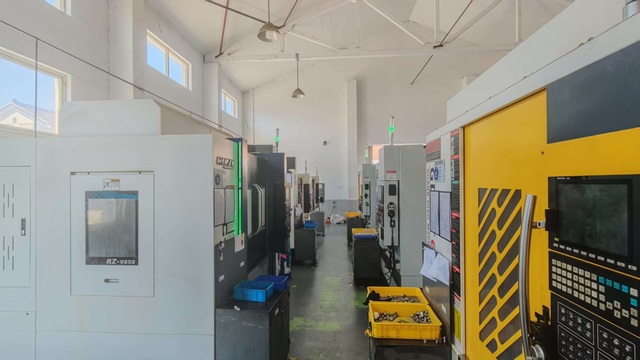
By focusing on structural reliability and surgical utility, we have designed trauma fixation plate systems, cranial-maxillofacial implants, spinal internal fixators, and customized instrumentation kits that help orthopedic surgeons execute procedures with confidence. Leveraging Class 100,000 cleanrooms and advanced CNC machining centers, our production protocols maintain the highest reliability standards in the orthopedic implant sector.
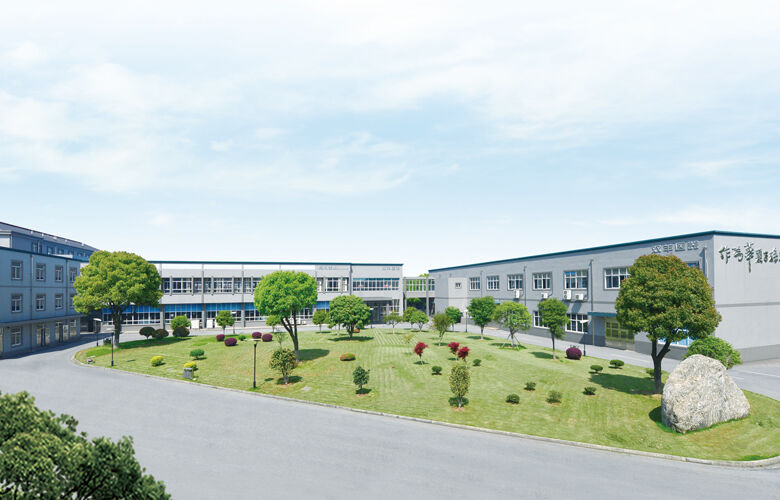
Our long-term global footprint is supported by ISO 9001, ISO 13485, and CE certifications, allowing Medisage to consistently deliver trusted orthopedic solutions to healthcare facilities, research institutions, and national medical distributors globally.
China's industrial medical device clusters, particularly in the Jiangsu-Zhejiang corridor, offer significant operational and supply chain advantages. Medisage’s manufacturing base in Zhangjiagang leverages these localized synergies to optimize production workflows. Our facility provides global medical buyers with an exceptional balance of rapid prototyping, cost efficiency, and rigorous quality control.
From importing raw titanium rods (Ti-6Al-4V) to implementing laser welding, plasma spray coatings, and sterile barrier packaging, every step of our manufacturing workflow occurs under one roof. This minimizes external supplier dependencies, reduces lead times, and ensures consistent quality control throughout production.
Our experienced engineering team utilizes advanced CAD/CAM software to transition seamlessly from anatomical scans or engineering schematics to physical functional prototypes. Our rapid tooling processes allow us to produce surgical instruments and customized implants for clinical review faster than traditional Western factories.
With an 18,000 m² footprint and high-throughput CNC machining lines, we achieve significant economies of scale. These operational efficiencies translate directly into lower unit costs for our partners, allowing them to reinvest savings into local clinical marketing, regulatory registration, and distribution development.
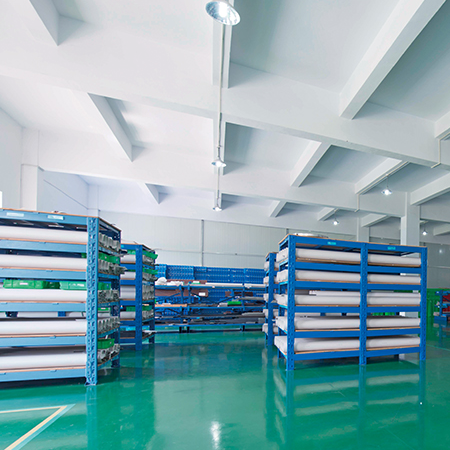
Our implant systems are fabricated within monitored Class 10,000 and Class 100,000 cleanrooms. Every manufacturing batch undergoes bio-burden analysis, particle monitoring, and rigorous inspection before entering final cleaning. We run high-purity water cleaning systems to ensure implants are free of organic residues and chemical contaminants before sterilization packaging. This complete contamination control cycle ensures safe osteointegration and minimizes postoperative inflammatory risks.
Medisage designs medical systems to adapt to diverse global surgical environments. By recognizing the varying clinical demands, regional patient demographics, and regulatory conditions of different markets, we provide tailored medical equipment and implant kits for specific medical scenarios.
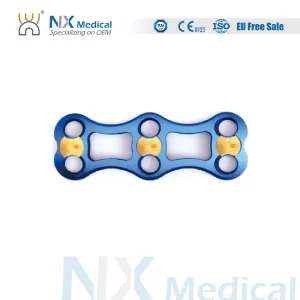
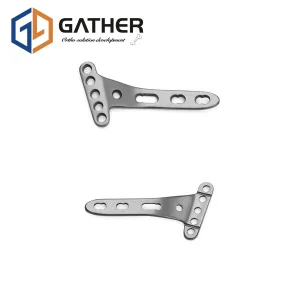
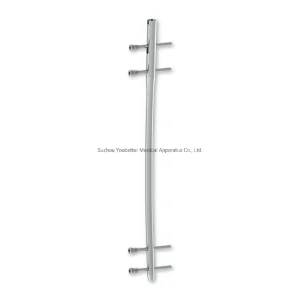
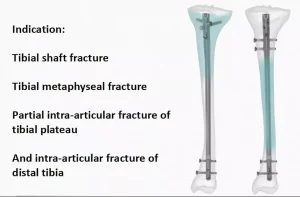
In high-throughput acute trauma centers, speed and precision are critical. Our Trauma Orthopedic Screw & Locking Plate Systems feature color-coded, self-tapping screw threads and anatomical pre-bent plate geometries. These design details reduce intraoperative contouring requirements, helping surgical teams complete internal fixation procedures efficiently.
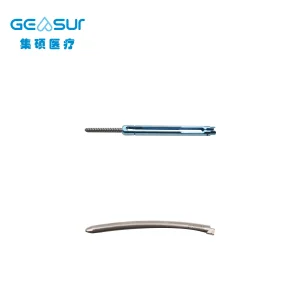
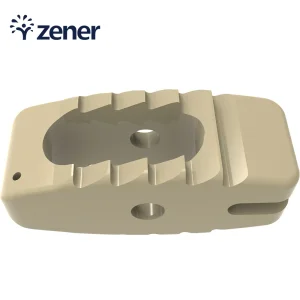
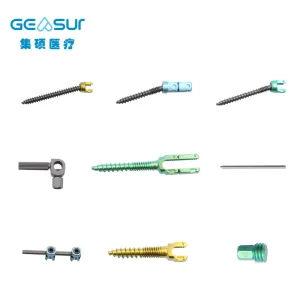
Our Cannulated Pedicle Screw Systems and PEEK Lumbar Interbody Fusion Cages are engineered for minimally invasive approaches. They minimize soft-tissue disruption, facilitate precise guide-wire insertion, and promote faster postoperative mobilization. This makes them ideal for modern private clinics and specialized orthopaedic hospitals.
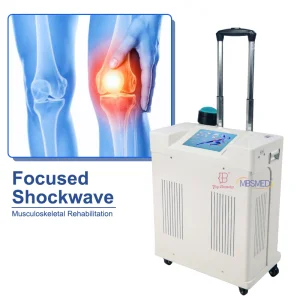
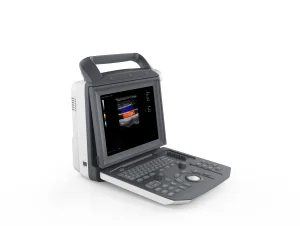
Surgical success relies heavily on targeted post-operative rehabilitation. Our Focus Shockwave Therapy Systems (FSWT) provide reliable, localized pain management and soft-tissue recovery. This equipment allows sports medicine clinics and physical therapy centers to accelerate recovery timelines and improve overall patient outcomes.
The orthopedic device sector is evolving rapidly. Medisage continuously invests in research and development to align with emerging global medical trends, ensuring our product portfolio remains relevant and competitive in the international market.
We leverage advanced titanium plasma spraying (TPS) and hydroxyapatite (HA) coatings. These technologies enhance the surface profile of implants, promoting bone-implant fixation and reducing the risk of aseptic loosening in long-term joint and spinal reconstructions.
We utilize carbon-fiber-reinforced PEEK composites to construct next-generation implants. These materials match the elastic modulus of bone more closely than titanium, reducing stress-shielding and optimizing radiographic assessment during bone healing.
By processing patient CT data, our engineering teams construct precise, customized implants. This patient-specific design approach reduces surgical time, minimizes bone resection, and helps surgeons address complex anatomical variations.
Sourcing orthopedic devices globally requires robust quality management, reliable distribution channels, and compliance with local medical regulations. At Medisage, we streamline the procurement process to make OEM/ODM sourcing transparent and secure for distributors worldwide.
Before launching production, we review local medical registration requirements with our buyers. We provide full technical documentation—including raw material certificates, mechanical test reports, and sterilization validations—to simplify approval processes with regulatory bodies like the FDA, MDR, or local Ministries of Health.
For custom OEM requirements, our design office collaborates directly with our partners' engineering teams. We create detailed 3D CAD designs and perform Finite Element Analysis (FEA) to simulate stress distribution, verifying mechanical performance prior to tooling production.
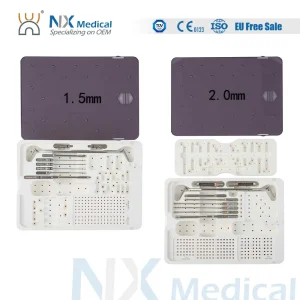
We offer diverse packaging options, from non-sterile bulk packaging in surgical organizer trays to sterile double-sterile barrier bags. These bags are ready for direct delivery to hospitals, protecting the implant's sterile barrier until the moment of surgery.