Medisage Medical Medisage Medical
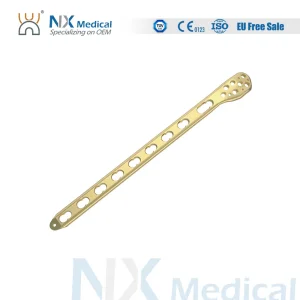
Top 10 Orthopedic Adjustment Devices Manufacturers & Exporters

A Comprehensive Clinical Insight & Global Sourcing Intelligence Report on Premium Orthopedic Implants and Precision Surgical Instrument Systems

Clinical Insight

The Evolving Standards of Orthopedic Adjustment and Fixation

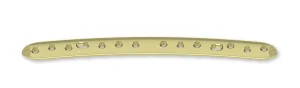
Modern osteosynthesis demands products that transition from simple rigid stabilization to dynamic, biomimetic adjustability. Orthopedic adjustment devices, encompassing variable-angle locking plates, expandable spinal cages, and pedicle systems, are designed to reconstruct the natural biomechanical axis of the skeletal framework while allowing micro-adjustments during surgery.

The core objective is to minimize stress shielding—a common cause of implant failure and bone resorption. By utilizing Titanium Grade 5 (Ti-6Al-4V ELI) with specialized bioactive surface coatings, leading manufacturers ensure that implants provide maximum tensile strength while fostering rapid osseointegration. This ensures structural safety in complex conditions like osteoporotic fractures and degenerative disc disease.

"An ideal stabilization implant must bridge the clinical gap between biological healing dynamics and instantaneous mechanical load-bearing capability."

Critical Engineering Priorities

Parameters Clinical Significance Target Threshold
Elastic Modulus Reduces stress shielding, prevents implant loosening 100–110 GPa (Titanium Alloy)
Fatigue Strength Withstands cyclic physiological loads during rehabilitation > 600 MPa (107 cycles)
Biocompatibility Minimizes tissue rejection, fosters osseointegration ISO 10993 compliant
Interface Coating Accelerates bone-to-implant contact (BIC) values Anodic oxidization/HA coating
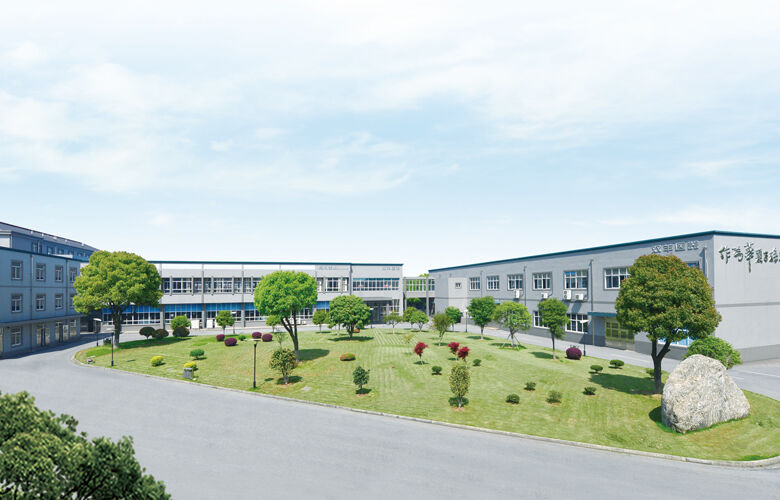
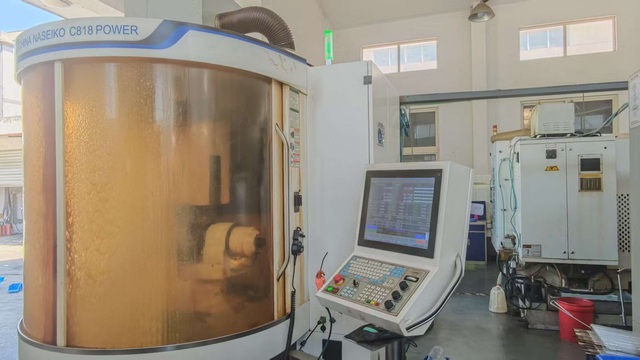
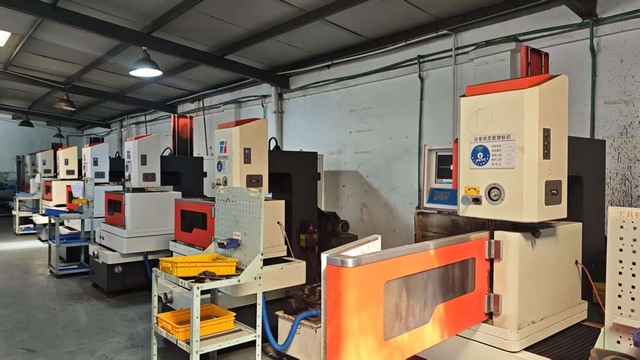
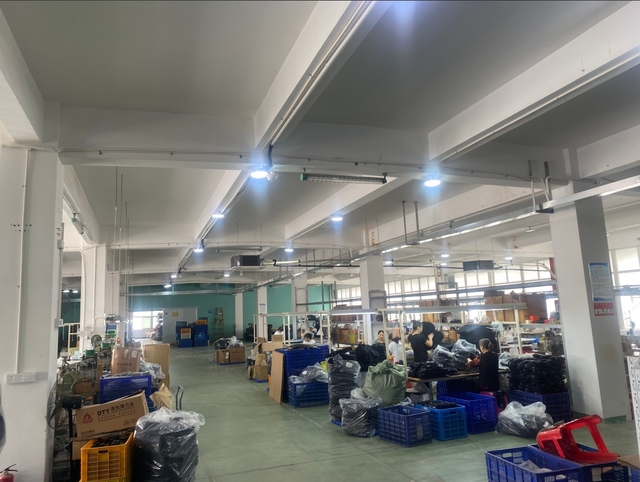
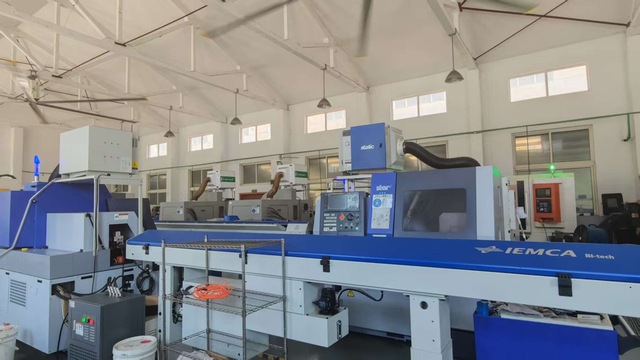
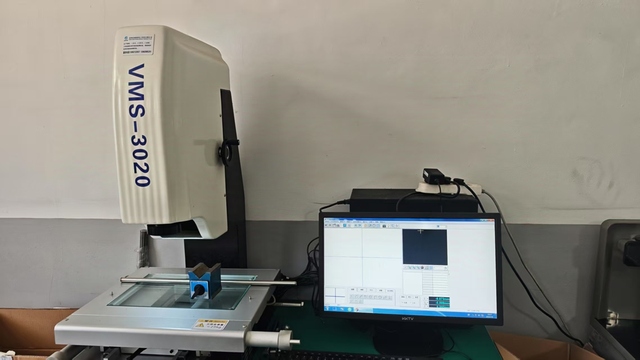
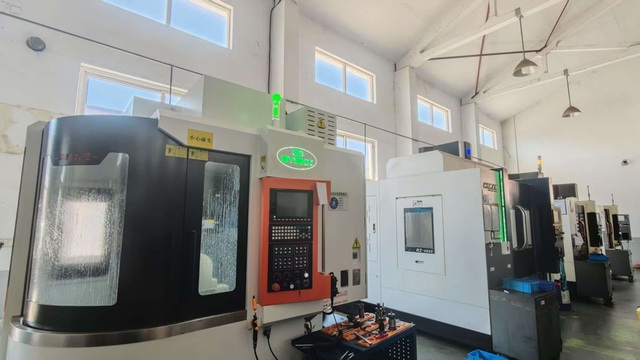
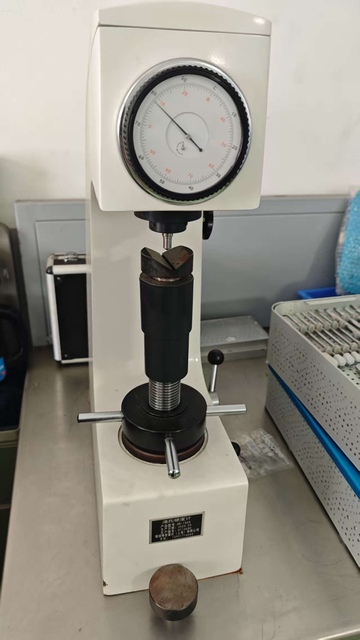
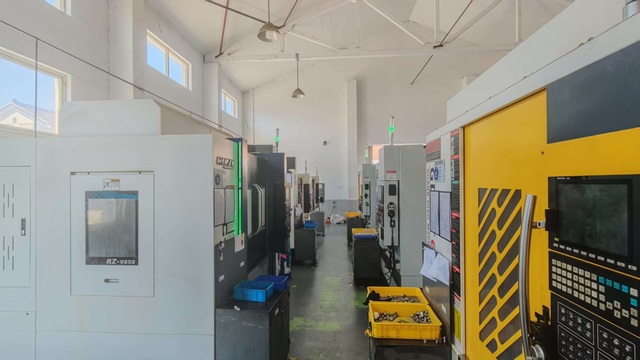
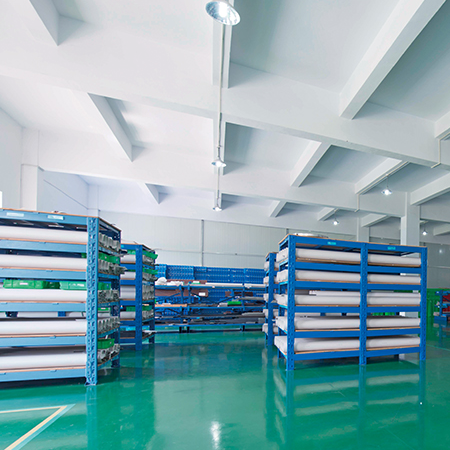
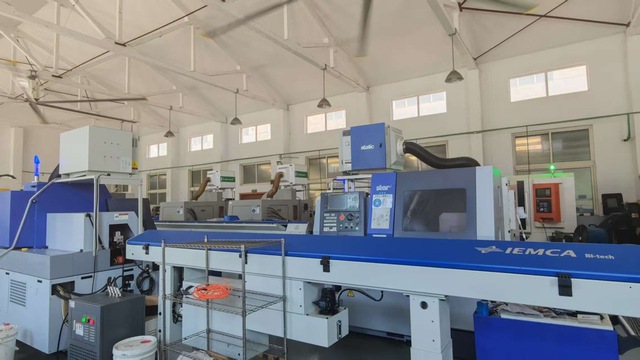
Hangzhou Medisage Manufacturing Base Facility
Featured Industry Leader

Hangzhou Medisage Medical Co., Ltd.

Hangzhou Medisage Medical Co., Ltd. was founded in 2001. Its manufacturing base, Shuangyang Medical, is located in Zhangjiagang City, Jiangsu Province, covering an area of 18,000㎡, with a building floor area exceeding 15,000㎡. The company has a registered capital of 20 million Yuan and specializes in the research, design, and manufacturing of orthopedic implant systems and surgical instruments.

With over two decades of industry experience, Medisage has established itself as a leading manufacturer in the field of orthopedic implants. Our comprehensive product portfolio includes trauma fixation systems, cranial and maxillofacial implants, and a wide range of precision surgical instruments. Supported by advanced production facilities and strict quality management systems, we ensure that every product meets international standards for safety, reliability, and performance.

Shuangyang Medical has successfully supplied products to more than 1,000 clients across over 120 countries, earning a strong reputation for quality and consistency in the global medical market. Our experienced team is dedicated to continuous innovation, technical excellence, and customer-focused solutions.
Guided by the philosophy of “people-oriented, integrity first, continuous innovation, and pursuit of excellence,” Hangzhou Medisage Medical Co., Ltd. remains committed to safeguarding human health and delivering trusted orthopedic solutions worldwide.
2001
Year Founded
18,000㎡
Production Area
120+
Countries Supplied
1,000+
Global Clients
The Horizon of Orthopedic Engineering

Technical Roadmap & Future Outlook

Additive Manufacturing & 3D Printing

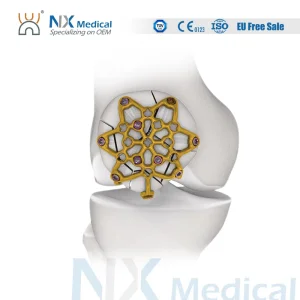
Transitioning from subtractive milling to 3D printed trabecular titanium structures. This creates a porous network that mimics human cancellous bone, significantly increasing bone ingrowth and initial mechanical stability in joint reconstruction and complex spinal cages.

Smart Smart Bio-implants

Integrating micro-sensors within adjustment plates and external fixators. Real-time telemetry monitoring of strain, pressure changes, and local pH levels will alert orthopedic surgeons to hardware failure, infection indicators, or abnormal healing rates before clinical symptoms manifest.

Bioabsorbable Polymer Materials

R&D focus on Magnesium alloys and advanced PLLA/PLGA polymers that temporarily stabilize pediatric fractures and gradually degrade as the bone heals, avoiding secondary surgeries for hardware removal.

Macro-Economic Factors

Addressing Global Aging Demographics & Pediatric Skeletal Deformities

The rapid rise in the global elderly population has led to a high prevalence of osteoporotic fractures and degenerative spinal conditions. In response, modern device development has shifted toward minimally invasive stabilization options, such as the PKP Kyphoplasty system, which allow prompt mobilization of geriatric patients.

Simultaneously, pediatric orthopedics requires adaptive solutions. Growth rods and dynamic compression systems allow adjustments over time to match skeletal growth. This reduces the need for frequent revision surgeries in pediatric patients with scoliosis or bone defects, significantly improving patient outcomes.

By optimizing surgical tool ergonomics and offering variable-angle mechanisms, manufacturers help surgeons address bone density variations, ensuring stable fixation in fragile bone conditions.
Smart Manufacturing & Logistics

China Factory 4.0: Supply Chain Resilience & Cost-Efficiency

By establishing manufacturing hubs like Shuangyang Medical in Zhangjiagang, Chinese medical device exporters leverage fully integrated industrial clusters. This integration provides secure access to raw medical-grade titanium, high-speed multi-axis CNC milling, and specialized surface treatment plants within a tight geographic area.

This ecosystem helps control production costs and shortens lead times for custom orders. Advanced ERP logistics track materials from import through to finishing. This visibility helps global medical distributors build secure inventories, avoiding shortages in critical hospital supply chains.

  • Complete raw material traceability (MTR certification) for every implant.
  • Class 100,000 cleanrooms dedicated to sterile packaging.
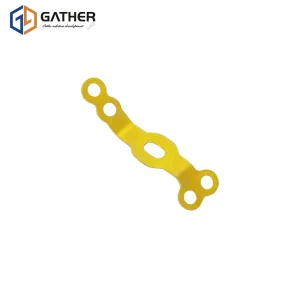
  • Fast-turnaround tooling for customized plates and anatomical models.
Regulatory Standards

Regulatory Frameworks & Localized Procurement Support

Navigating the global regulatory landscape is a central priority for orthopedic exporters. Compliance with European Medical Device Regulation (EU MDR 2017/745), US FDA 510(k) clearances, and ISO 13485 quality management systems is necessary for market entry.

Reliable exporters provide comprehensive technical files, including biocompatibility reports, mechanical fatigue performance data, and sterilization validation dossiers. This documentation streamlines the local registration process with healthcare authorities worldwide, ensuring a smooth path to market adoption.

"A qualified manufacturer does not just deliver products; they supply the regulatory clearance dossiers required to gain local market access."
Expert QA

Frequently Asked Questions (FAQ)

Technical, clinical, and logistical inquiries addressed by our expert R&D department.

What materials are used for spinal implants and locking trauma plates? +

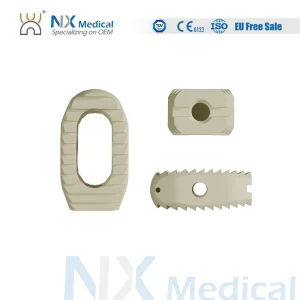
Our orthopedic implants primarily use Titanium Grade 5 (Ti-6Al-4V ELI) and PEEK (Polyetheretherketone). Titanium provides high mechanical fatigue strength and biocompatibility, while PEEK offers a modulus of elasticity closer to cortical bone, which helps reduce stress shielding in lumbar spinal cage applications.

How does the Variable Angle LCP System differ from standard locking systems? +

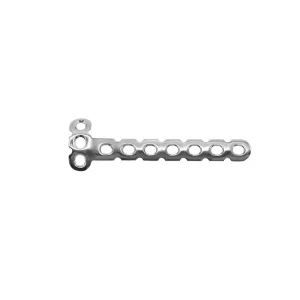
Standard locking systems restrict screw insertion to a predefined angle. The Variable Angle LCP (Locking Compression Plate) System allows the surgeon to angulate the locking screws (typically up to 15 degrees in any direction) within the plate's screw hole. This adaptability is highly beneficial when stabilizing complex articular fractures or avoiding existing joint prostheses.

What quality standards do Hangzhou Medisage and Shuangyang Medical adhere to? +

Our manufacturing facility, Shuangyang Medical, operates under ISO 13485 (Medical Devices Quality Management Systems). Our products are CE marked and registered with various ministries of health worldwide. Every manufacturing run undergoes comprehensive testing, including optical dimension verification and dynamic mechanical fatigue testing.

How does the self-breaking plug in a spinal internal fixation system work? +

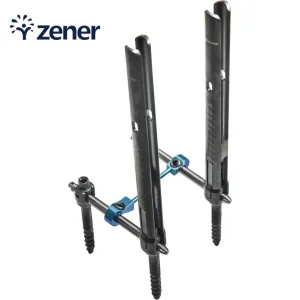
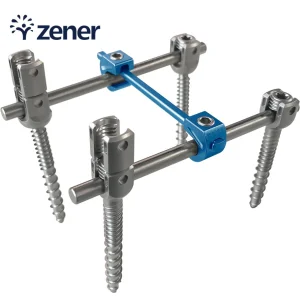
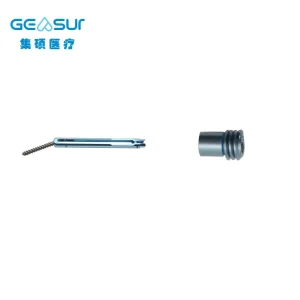
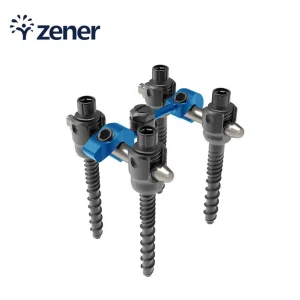
The self-breaking plug (or set screw) features a pre-notched shear line. During tightening, once the correct torque threshold is met, the head of the plug shears off cleanly. This mechanical limit prevents over-tightening and thread damage, ensuring the rod is held in place with the optimal clamping force.

What are the lead times for global OEM/ODM orthopedic orders? +

Standard catalog orders generally ship within 30 to 45 days. For OEM/ODM designs requiring custom molds or structural modifications, the process takes 60 to 90 days. This timeline includes prototyping, finite element analysis (FEA), and mechanical verification to ensure product performance.

What support is provided for local regulatory filings? +

We provide comprehensive support for local registration, including DMFs (Drug Master Files/Device Master Files), sterilization validation reports, clinical evaluation data, and compliance documentation. This support helps our distributors secure regulatory clearance quickly in their target markets.