Medisage Medical Medisage Medical

Top 5 Trends Shaping the Future of Orthopedic Implants?

Time:2026-06-26 Author:Henry
0%

As we look to the future of orthopedic implants, it is essential to explore the emerging trends that will shape this field. What is the future of orthopedic implants? It involves innovation, enhanced materials, and advanced technology. Today's orthopedic devices aim for improved patient outcomes and shorter recovery times.

Surgeons and engineers collaborate to develop smarter implants. These implants can monitor functionality and provide real-time feedback. This interactivity opens new avenues for personalized medicine. Yet, challenges persist. How will these advancements be integrated into existing healthcare systems?

Furthermore, there are concerns about cost and accessibility. Not every patient can afford the latest technology. Balancing innovation with affordability is crucial. As we explore these trends, it is clear that the future of orthopedic implants holds promise but also requires critical reflection and careful planning.
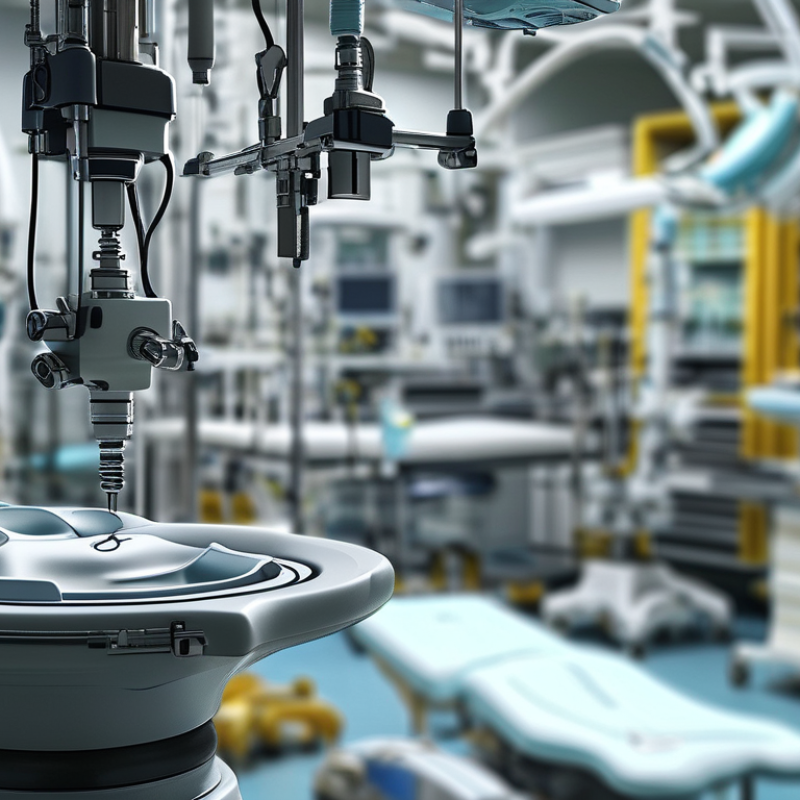
Top 5 Trends Shaping the Future of Orthopedic Implants?

Emerging Materials and Technologies in Orthopedic Implant Design

The future of orthopedic implants is being shaped by innovative materials and technologies that promise enhanced performance. Biocompatible materials are gaining traction. These materials, like titanium alloys and bioactive ceramics, help reduce rejection rates. They promote better integration with bone, leading to quicker recovery times. New polymers are also emerging. They offer flexibility and durability, which are crucial for prosthetic joints.

Additive manufacturing, or 3D printing, is transforming design possibilities. This technology allows for customized implants tailored to individual anatomies. It improves the fit and function of implants. However, the process is still evolving. Questions about the strength and longevity of 3D printed materials need to be addressed. Researchers are actively investigating these concerns to ensure safety and effectiveness.

Smart materials are making strides in orthopedic design. These materials can respond to environmental changes, such as temperature variations. This could lead to implants that adapt over time. Yet, the integration of electronics poses challenges. Ensuring consistent performance while minimizing failure risks is critical. These advancements hint at a future where orthopedic implants are not just static devices but dynamic solutions.

Innovations in 3D Printing for Custom Prosthetics and Implants

The recent advancements in 3D printing are revolutionizing the field of orthopedic implants and prosthetics. Customization is now at the forefront of patient care. With 3D printing, doctors can create implants tailored specifically to an individual’s anatomy. This approach enhances comfort and functionality. Standardized implants often lead to complications; however, custom solutions promise a better fit.

3D printing allows for complex geometries that traditional methods can't achieve. This technology uses materials that mimic bone structures, providing better integration within the body. Patients often report quicker recovery times when using custom implants. It’s essential, though, to ensure that the materials used are biocompatible and safe.

Tip: Engage with specialists who understand this technology. Ask about materials and design options that suit your needs.

While 3D printing represents a leap forward, challenges remain. Not all medical centers have access to this technology, which can limit options for some patients. Additionally, ongoing research is necessary to optimize the safety and effectiveness of these implants.

Tip: Stay informed about advances in 3D printing. Knowledge empowers patients to advocate for their healthcare needs.

The Role of Biocompatibility in Future Orthopedic Solutions

The future of orthopedic implants heavily relies on biocompatibility. This term refers to how materials interact with the human body. Implants must be both effective and safe for long-term use. Researchers focus on materials that promote healing and reduce rejection.

Implants often face challenges, such as inflammation or infection. These issues can arise from the materials used. A biocompatible implant minimizes these risks. Innovation in materials like titanium and novel polymer blends is vital. Developing surfaces that encourage tissue growth can significantly enhance success rates.

**Tips:** Always consult with a medical professional regarding implant materials. Understanding your options is crucial. Consider how implant choices can affect recovery.

Investing in research is essential for future advancements. A collaborative approach among scientists, doctors, and engineers could lead to breakthroughs. This partnership will push boundaries in safety and effectiveness. Embracing new technologies can transform patient experiences. However, oversharing results or pressuring for rapid approvals can lead to ethical pitfalls. A balance must be maintained.

Top 5 Trends Shaping the Future of Orthopedic Implants

Integration of Robotics and AI in Surgical Procedures for Implants

The integration of robotics and artificial intelligence (AI) in orthopedic surgery is transforming implant procedures. Surgeons can now use robotic systems to enhance precision during operations. These systems provide real-time data analysis, which allows for better decision-making in complex situations. Flexibility and adaptability are key benefits of robotic assistance. However, reliance on technology raises questions about the surgeon's skill.

AI algorithms analyze vast amounts of data from previous surgeries. This helps predict potential complications, improving patient outcomes. Surgeons receive support for planning and executing precise implant placements. Nevertheless, there is a risk of overconfidence in technology. Surgeons must remain vigilant, as unexpected situations can arise during surgeries.

As robotic technology advances, the learning curve for surgeons grows. Training programs need to evolve to ensure comprehensive understanding. Engaging with robotics might lead to disconnect with traditional techniques. Future orthopedic practices must strike a balance between technology and human expertise. This evolution invites continuous reflection on the importance of hands-on experience in surgery.

Advancements in Smart Implants for Enhanced Patient Monitoring and Care

The landscape of orthopedic implants is evolving rapidly, particularly with the advent of smart technologies. Smart implants now offer real-time monitoring capabilities that significantly enhance patient care. These devices track vital metrics, such as movement and pressure, helping surgeons make informed decisions post-operation. Surprisingly, many patients aren’t fully aware of these advancements, leading to hesitance around their adoption.

Consider how smart implants can improve recovery. They provide data on how well a joint is functioning, which can lead to personalized rehabilitation programs. However, this technology is not without its challenges. Technical failures can occur, and there’s a learning curve for both doctors and patients. Patients may feel uneasy about having devices that collect data continuously. Gaining their trust is essential for successful integration into treatment plans.

The potential for improved outcomes is significant. Real-time feedback can facilitate quicker adjustments to treatments. Yet, ethical questions are emerging around data privacy and security. What happens if sensitive data is exposed? These questions demand thorough discussion among healthcare professionals and patients alike. As technology advances, addressing these concerns will be crucial for fostering a supportive environment.

FAQS

: What is biocompatibility in orthopedic implants?

: Biocompatibility refers to how implant materials interact with the human body. It ensures implants are safe and effective for long-term use.

Why is biocompatibility important for implants?

Biocompatible implants reduce risks of inflammation and infection. They promote healing and improve success rates without severe side effects.

What materials are used in biocompatible implants?

Common materials include titanium and novel polymer blends. These materials are selected for their ability to support tissue growth.

How can smart implants enhance patient care?

Smart implants monitor vital metrics like movement and pressure. This real-time data aids surgeons in making post-operation decisions.

What challenges do smart implants face?

Technical failures may occur, and there’s a learning curve for both doctors and patients. Trust is necessary for their successful use.

How do smart implants impact rehabilitation?

They provide insights into joint function, helping create personalized rehabilitation programs. This can significantly improve recovery processes.

What ethical concerns surround smart implants?

Data privacy and security are major concerns. The risk of sensitive information exposure needs careful discussion among healthcare experts.

Are there risks associated with rapid advancements in implant technology?

Yes, pushing for quick approvals can lead to ethical pitfalls. A balance must be established between innovation and safety.

How important is collaboration in orthopedic research?

Collaboration between scientists, doctors, and engineers can lead to breakthroughs. It enhances safety and effectiveness in implant technology.

What should patients consider before choosing an implant?

Patients should consult medical professionals and understand how different materials and technologies can affect their recovery journey.

Conclusion

The future of orthopedic implants is being shaped by several key trends that focus on enhancing patient outcomes and surgical efficiency. Emerging materials and technologies are enabling the design of implants that are not only more durable but also tailored to individual patient needs. Innovations in 3D printing are making it possible to create custom prosthetics and implants that fit precisely, reducing recovery times and improving overall functionality.

Additionally, biocompatibility is becoming a core consideration, ensuring that implants integrate seamlessly with the body's tissues. The integration of robotics and artificial intelligence in surgical procedures offers improved precision and reduces complications during surgeries. Finally, advancements in smart implants are paving the way for enhanced patient monitoring and care, allowing healthcare providers to track recovery progress in real-time. Collectively, these trends answer the question: what is the future of orthopedic implants? It is one where personalization, safety, and technological integration lead the way toward better orthopedic solutions.

Henry

Henry

Henry is a dedicated marketing professional with a profound expertise in the company's offerings. With years of experience in the industry, he possesses an impressive understanding of the market dynamics and consumer behaviors that drive success. Henry is committed to sharing his insights through......