Medisage Medical
Recovering from orthopedic surgery can be challenging. Patients often wonder how to improve recovery after orthopedic procedures. Proper guidance and dedicated effort are essential in this journey.
Post-surgery recovery involves physical, mental, and emotional elements. Understand the importance of a tailored rehabilitation plan. Engage with healthcare professionals to craft a strategy that fits your unique needs. While many focus on physical therapy, mental well-being is just as critical. Consider mindfulness and relaxation techniques to cope with the stress.
It's crucial to track your progress and adjust your plan as needed. Seek feedback from your healthcare team regularly. Reflect on your efforts; identify what works and what doesn’t. Recovery isn’t always linear. Acknowledge setbacks as part of the process, and use them as opportunities for growth. Enhancing recovery after orthopedic surgery requires patience, resilience, and active participation in your healing journey.
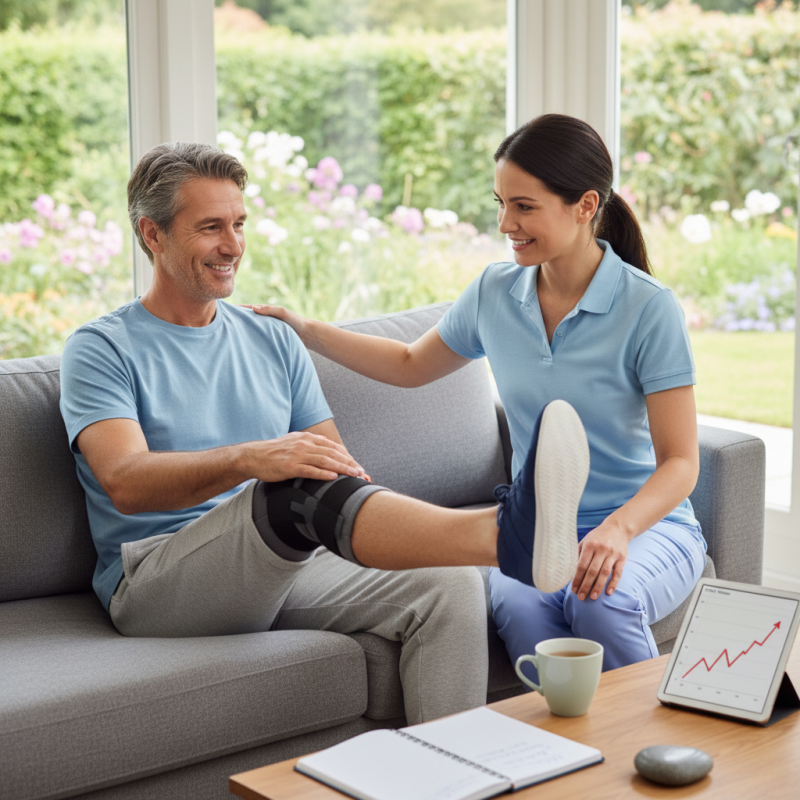
After orthopedic surgery, effective pain management is crucial. Understanding post-operative pain helps improve recovery. Patients often experience a spectrum of pain, which can vary in intensity. It's essential to communicate openly with healthcare providers about pain levels. This ensures adjustments in pain management strategies as needed.
Several strategies can ease discomfort. One effective method is the use of multimodal analgesia. This approach combines various types of pain relief, minimizing reliance on opioids. Physical therapy plays a vital role in recovery. Gentle movements and stretches can help reduce stiffness and pain.
Mindfulness and relaxation techniques are also beneficial. Practices like deep breathing or guided imagery can lower anxiety and enhance pain tolerance. Nevertheless, some patients may struggle to find the right balance. They might need to reflect on their experiences and adjust their coping methods. Seeking support from professionals or peer groups can provide additional comfort during recovery.
Recovering from orthopedic surgery can be a challenging journey. Effective physical therapy regimens play a crucial role in this process. An individualized approach is vital. Start with a thorough assessment of the patient’s condition. This initial evaluation helps therapists tailor the program to specific needs.
Incorporating a mix of stretching, strengthening, and functional exercises is essential. For example, gentle stretching can improve flexibility. Strengthening exercises help rebuild muscle strength. It’s also beneficial to include balance training. These exercises reduce the risk of fall-related injuries. Consistency is key; patients should aim for regular sessions to see significant improvement.
However, challenges often arise. Patients may experience pain or fatigue during therapy. It’s important to communicate these feelings to the therapist. Adjusting the intensity and type of exercises can help. Reflecting on physical and emotional responses during recovery is crucial. Embracing the process takes time and patience, but the rewards are worth the effort.
Proper nutrition is critical after orthopedic surgery. Eating the right foods can aid recovery and promote healing. A report from the Journal of Orthopaedic Surgery & Research states that protein is crucial for tissue repair. Aim to consume high-quality protein sources, like lean meats, legumes, and dairy. Each meal should include these proteins to support muscle recovery.
Additionally, vitamins and minerals play a vital role in the healing process. Vitamin C, found in citrus fruits and vegetables, assists in collagen formation. A deficiency in vitamin D can delay healing and impact bone health. Foods rich in zinc, such as nuts and seeds, are also essential. They help in reducing inflammation and support immune function. The optimal intake is often underestimated, yet crucial for recovery.
Many patients overlook their hydration needs. Proper fluid intake supports nutrient transport and waste removal from the body. Research shows that dehydration can hinder recovery time. Keeping a water bottle handy and consuming fluids regularly can make a difference. Reflecting on these aspects reveals that recovery is not just about surgery; it's a comprehensive approach including nutrition. Improving dietary habits post-surgery is often a missed but essential opportunity for patients.
Patient education plays a crucial role in enhancing recovery after orthopedic surgery. Research indicates that well-informed patients experience fewer complications. A study published in the Journal of Orthopedic Research found that patients who received education about their surgery reported 30% fewer post-operative issues. These educational efforts can lead to better adherence to post-operative care instructions, which is vital for optimal healing.
Patients who are engaged in their recovery process tend to have better outcomes. In a survey by the American Academy of Orthopaedic Surgeons, 75% of respondents felt that pre-operative information reduced their anxiety. This level of understanding can translate to a stronger commitment to rehabilitation exercises. However, despite this knowledge, some patients still struggle with physical therapy compliance. This gap highlights the need for ongoing support and communication, ensuring patients feel empowered throughout their recovery.
It is essential for orthopedic teams to address the unique needs of each patient. Not all individuals absorb information equally, which can create challenges. Tailored educational materials can bridge these gaps. Regular follow-ups and open channels for questions are necessary. This way, patients realize that their journey to recovery is supported and guided by their healthcare team.
Rehabilitation after orthopedic surgery can be challenging, but technology offers innovative solutions. Various apps and devices assist patients in tracking their recovery. These tools encourage adherence to exercise schedules and enhance communication with healthcare providers.
Mobile applications are popular for their user-friendly interfaces. They often feature exercise demos that guide patients through their routines. Such visual aids can boost confidence, but sometimes they may not cover all individual needs. It’s important to customize your rehabilitation journey by communicating with your healthcare team.
Wearable devices add another layer of support. They monitor movements and track progress, providing real-time feedback. However, relying solely on technology can lead to frustration if expectations aren't met. Reflecting on one’s progress can reveal valuable insights and areas for improvement. Balancing technology with holistic care ensures a more effective rehabilitation experience.
| Tip | Description | Technology Used | Benefits |
|---|---|---|---|
| Monitor Recovery Progress | Use apps to track pain levels and mobility. | Mobile Apps | Helps identify trends and areas needing attention. |
| Virtual Physical Therapy | Engage in guided, remote sessions with a physical therapist. | Telehealth Platforms | Convenience and personalized care from home. |
| Wearable Recovery Sensors | Use wearable devices to monitor physical activity and vitals. | Wearable Technology | Real-time data helps tailor rehabilitation exercises. |
| Rehabilitation Games | Engage in interactive games designed to improve mobility. | Gamified Apps | Makes recovery fun and motivating. |
| Pain Management Apps | Track and manage pain levels effectively with reminders. | Mobile Apps | Better pain control leads to improved recovery. |
: Physical therapy is vital for recovery. It helps restore function and reduce complications.
Each patient has unique needs. Tailoring the program aids in effective recovery outcomes.
A mix of stretching, strengthening, and functional exercises is essential for recovery.
Patients should report pain or fatigue to their therapist. Open communication is crucial.
Educated patients face fewer complications. They often heal better and faster.
Understanding the process promotes adherence to care instructions. It also reduces anxiety.
Many struggle with consistency in sessions. Ongoing support can help bridge this gap.
Reflecting on both physical and emotional responses aids in understanding the process.
Follow-ups ensure support and help patients stay engaged in their recovery journey.
Recovery takes time and patience. Embracing the journey makes the effort worthwhile.
In the article "2026 Top Tips to Enhance Recovery After Orthopedic Surgery," several key strategies are outlined to support patients in how to improve recovery after orthopedic procedures. Effective pain management techniques are paramount, as they not only alleviate discomfort but also facilitate participation in vital rehabilitation exercises. Tailored physical therapy regimens can optimize mobility and strength recovery, making them essential for long-term outcomes.
Nutritional guidelines emphasize the importance of a balanced diet rich in nutrients to promote healing, while patient education serves to empower individuals in managing their recovery and reducing complications. Additionally, the integration of technology through apps and devices can enhance rehabilitation by providing structured programs and tracking progress. Together, these strategies create a comprehensive approach to ensuring a smoother and more effective recovery journey for those undergoing orthopedic surgery.
