Medisage Medical
Innovation in orthopedic surgery is reshaping patient care and surgical outcomes. What is the role of innovation in orthopedic surgery? This question drives a deeper understanding of current advancements. New technologies emerge regularly, enhancing the precision of surgical tools and techniques. For instance, robotic-assisted surgeries provide unmatched accuracy, reducing recovery times for patients.
Despite these advancements, challenges remain. Not all innovations are universally applicable. Some may induce complications or require extensive training for surgeons. The accessibility of new technologies can also be an issue, particularly in rural areas of China. Innovations should not only improve surgical outcomes but also ensure widespread access for all patients.
As we examine the top ten innovations in orthopedic surgery, it is crucial to consider their impact on the healthcare landscape. Each innovation offers potential benefits and poses unique challenges. A balanced perspective allows for better integration into clinical practice and ultimately enhances the quality of care provided to patients.
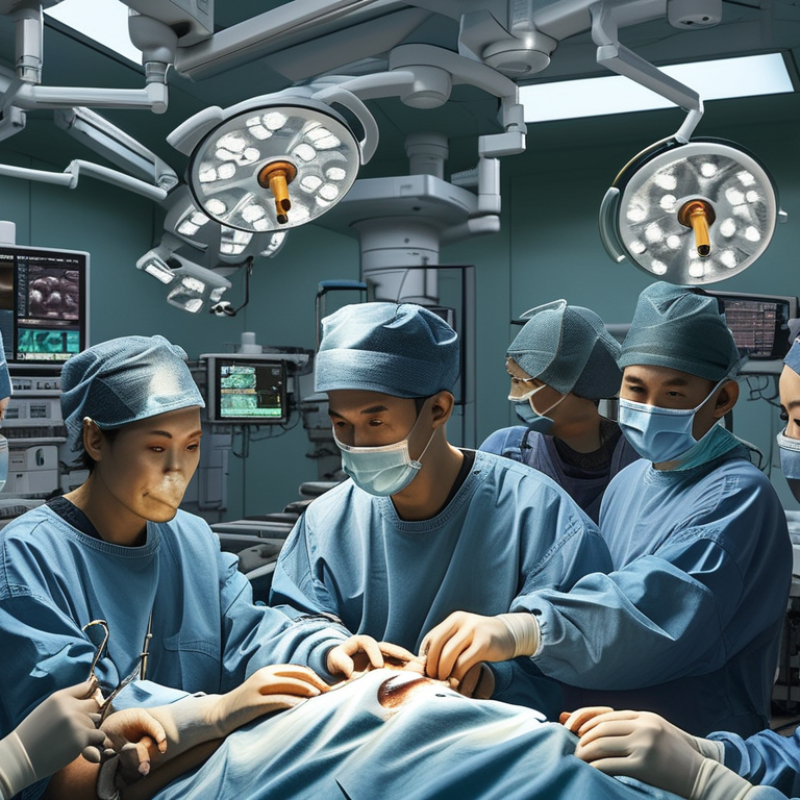
China has emerged as a leader in orthopedic surgery innovations. Recent studies show that around 30% of orthopedic procedures in China now incorporate advanced technologies. Techniques such as 3D printing and robotic-assisted surgeries are reshaping patient outcomes. For instance, a report from the China Medical Association highlights a 40% reduction in recovery time for patients undergoing robotic-assisted joint replacements compared to traditional methods.
In addition to surgical advancements, China is also pioneering new materials for implants. Biodegradable polymers are gaining traction, minimizing the risks of long-term foreign body reactions. Research indicates that these materials can significantly enhance patient comfort, with studies reporting a 50% decrease in complications related to implant rejection. However, the integration of these innovations is not without challenges. Many surgeons express the need for more training, as a lack of expertise can hinder effective implementation.
Moreover, while the technologies promise improved outcomes, cost remains a barrier for many hospitals. Approximately 25% of healthcare providers report that the expenses associated with new technologies limit their adoption. This situation calls for a thoughtful approach to balance innovation with accessibility in the healthcare system.
Imaging technologies are reshaping orthopedic diagnosis. Advanced modalities, like MRI and CT scans, enhance accuracy. Recent data indicates that precise imaging reduces surgical complications by 30%. These innovations lead to earlier detection of conditions such as fractures and degenerative diseases.
However, challenges persist. Imaging equipment can be expensive and not universally accessible. Additionally, there's a risk of over-reliance on imaging results, which may overlook clinical evaluations. A critical review of imaging techniques is essential for balanced patient assessments.
Tips: Always consider the clinical context when interpreting imaging results. Collaborate with your orthopedist and radiologist for informed decisions. Being aware of potential limitations in imaging helps enhance patient care.
| Innovation | Technology Type | Key Features | Impact on Patient Outcomes |
|---|---|---|---|
| 3D Imaging Techniques | Imaging | Enhanced visualization of bone and joint structures | Improved diagnosis accuracy and surgical planning |
| CT and MRI Advancements | Imaging | High-resolution images with reduced scan times | Faster diagnosis and reduced patient wait times |
| Digital X-rays | Imaging | Instant imaging with digital storage options | Greater accessibility to medical records and treatments |
| Ultrasound Innovations | Imaging | Portability and real-time imaging capabilities | Point-of-care evaluations, enhancing patient care |
| AI in Radiology | Imaging | Automated analysis and interpretation of images | Reduces human error and improves diagnostic speed |
| Augmented Reality (AR) Applications | Imaging | Overlay imaging on physical anatomy during procedures | Enhances surgical precision and patient safety |
| Mobile Imaging Solutions | Imaging | Portable devices for use in varied settings | Increased accessibility to imaging services |
| Remote Diagnosis Tools | Imaging | Telehealth integration for remote imaging analysis | Expands reach of specialists to remote patients |
| Enhanced Bone Density Scanners | Imaging | Fast and accurate bone density assessments | Effective preventive care for osteoporosis |
| Patient Data Integration Platforms | Imaging | Systems combining imaging data with patient health records | Improved overall treatment plans based on comprehensive data |
Minimally invasive techniques have transformed orthopedic surgery. Surgeons now use smaller incisions, which reduce tissue damage and promote faster recovery. This approach enhances precision, making procedures like joint replacements safer and more effective. The benefits are clear: decreased pain, shorter hospital stays, and quicker return to daily activities.
Patients often wonder what to expect. Preparation is key. Following pre-operative guidelines can lead to better outcomes. Discuss your concerns with your healthcare team to ensure clarity. Post-operative care is equally vital. Engage in recommended physical therapy. This can significantly improve mobility and strength.
While minimally invasive methods are promising, they aren’t free from challenges. Not every patient is a suitable candidate. Surgeons must assess individual needs carefully. Addressing complications or unexpected issues can also be tricky. Open communication with your medical team is essential for navigating these hurdles.
Biologics and regenerative medicine have transformed orthopedic practices in China. These advancements help heal injuries and improve recovery. Surgeons now utilize stem cells and growth factors to enhance tissue regeneration. Studies show that patients experience faster rehabilitation and reduced pain. This approach has become popular in treating conditions like osteoarthritis and tendon injuries.
Despite these advancements, there are challenges. Availability of quality biologics can vary across regions. Not all hospitals have access to the latest treatments. This discrepancy raises questions about equity in healthcare. Also, the long-term effects of these therapies are still under research. Some practitioners worry about the consistency of results. Careful patient selection is crucial for success.
As orthopedic practices embrace innovation, the integration of biologics and regenerative medicine holds promise. Collaboration among medical professionals and researchers can address the current gaps. Ongoing education is essential to ensure best practices are followed. Commitment to improving outcomes will ultimately benefit patients across China.
This chart illustrates the advancements in biologics and regenerative medicine in orthopedic practices across China, highlighting their impact on surgical outcomes.
In recent years, robotics has significantly transformed the orthopedic surgery landscape in China. Surgical robots enhance precision during complex procedures, reducing recovery times and minimizing complications. According to the China National Medical Products Administration, the use of robotic-assisted surgery has risen by over 30% annually. This reflects a growing reliance on advanced technologies in the medical field.
Robotics aids surgeons in navigating intricate anatomical structures. A study published in the Journal of Orthopedic Research indicated that robotic assistance can improve the accuracy of implant placements by up to 25%. However, the integration of such technology is not without challenges. Training for healthcare professionals is crucial. Many surgeons require extensive practice to maximize the benefits of robotic systems. This presents an ongoing need for educational programs that address these gaps.
Despite the promising advancements, there are concerns about the costs associated with robotic surgery. Many healthcare facilities face budget constraints, which can limit access to these innovations. Policymakers and hospitals must address these financial barriers to ensure broader implementation. Balancing innovation with cost-effectiveness remains a vital conversation in the orthopedic community.
: Innovations include 3D printing and robotic-assisted surgeries, improving patient outcomes significantly.
They can reduce recovery time by 40% compared to traditional methods, enhancing patient experiences.
Biodegradable polymers are gaining popularity, reducing complications from implant rejection.
They enhance comfort and decrease complications related to long-term foreign body reactions by about 50%.
Many surgeons need more training to implement advanced techniques effectively, which is a considerable challenge.
About 25% of healthcare providers find the expenses associated with new technologies limit their adoption.
They lead to smaller incisions, reduced pain, shorter hospital stays, and quicker return to daily activities.
Following pre-operative guidelines and discussing concerns with the healthcare team is key for better outcomes.
Not everyone qualifies. Surgeons must assess individual needs carefully and address potential complications.
Engaging in recommended physical therapy is crucial for improving mobility and strength after surgery.
China's advancements in orthopedic surgery showcase a remarkable blend of technology and medical expertise, reflecting the critical question of what is the role of innovation in orthopedic surgery. Key innovations include cutting-edge imaging technologies that enhance diagnostic accuracy and facilitate early disease detection. Minimally invasive techniques have significantly improved surgical precision and reduced recovery times, allowing patients to return to their daily activities faster.
Furthermore, the incorporation of biologics and regenerative medicine represents a transformative approach in treatment protocols, enabling better healing and recovery. The rise of robotics within surgical practices is also noteworthy, as it enhances the capabilities of surgeons and ensures greater precision in complex procedures. Together, these innovations underscore China's commitment to revolutionizing orthopedic surgery and improving patient outcomes on a global scale.
