Medisage Medical Medisage Medical

What is Minimally Invasive Orthopedic Surgery and Its Benefits?

Time:2026-06-01 Author:Aria
0%

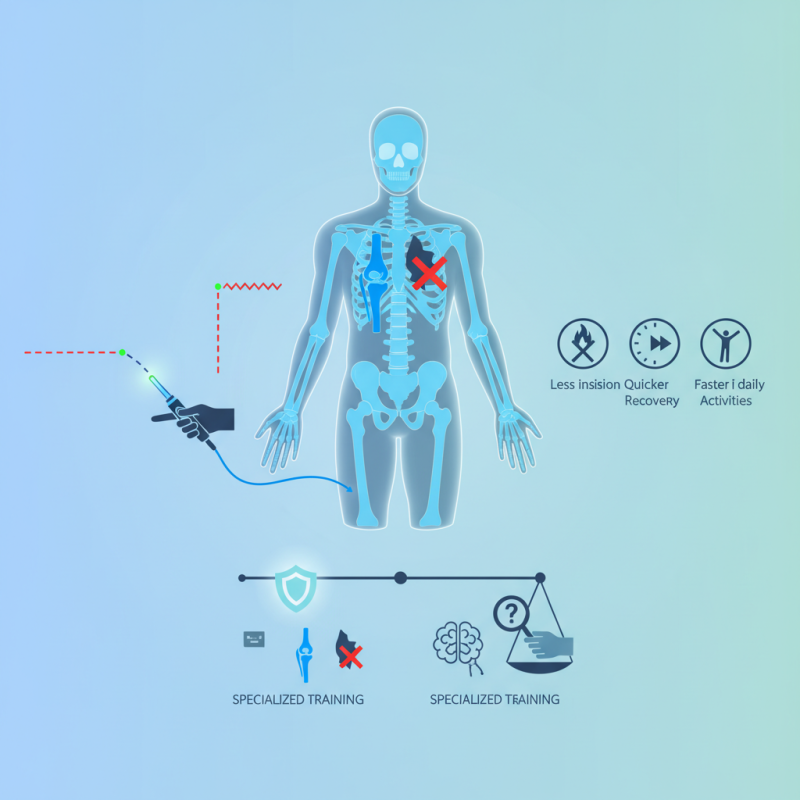
Minimally invasive orthopedic surgery has become a revolutionary approach in the field of medicine. Patients often wonder, "what is minimally invasive orthopedic surgery?" This technique reduces the size of surgical incisions, resulting in less trauma to the body. Surgeons utilize advanced technology to enhance precision and improve recovery times.

With smaller incisions, patients experience less pain and quicker healing. They can often return to daily activities sooner than with traditional methods. However, this approach requires specialized training and expertise. Not all surgeons may be familiar with these techniques.

Patients should also be aware of the risks associated with any surgical procedure. While minimally invasive surgery offers many advantages, it is not suitable for everyone. Understanding the potential benefits and limitations is crucial for making informed decisions about your health.
What is Minimally Invasive Orthopedic Surgery and Its Benefits?

Definition of Minimally Invasive Orthopedic Surgery

Minimally invasive orthopedic surgery (MIOS) is a surgical approach that reduces the damage to surrounding tissue. This method often involves smaller incisions compared to traditional surgery. Surgeons use specialized instruments and techniques to perform procedures with precision. Because of this, patients typically experience less pain and quicker recovery times.

The definition of minimally invasive orthopedic surgery encompasses various procedures. These may include joint repairs or spine surgeries. Surgeons can visualize the area through tiny cameras and advanced imaging. This precision allows for better outcomes. Patients often leave the hospital sooner. Some procedures may even be done on an outpatient basis.

While MIOS offers many advantages, it is not devoid of challenges. Some surgeons may lack the experience necessary for complex cases. Patients should seek expertise from trained professionals. Maintaining open communication is key. Ensuring proper follow-up care is essential for recovery. As with any surgical approach, there are variables to consider before proceeding.

Techniques Used in Minimally Invasive Orthopedic Surgery

Minimally invasive orthopedic surgery (MIOS) incorporates techniques that significantly reduce tissue damage. Surgeons utilize small incisions. This approach promotes quicker healing and less pain. One popular technique is arthroscopy, which uses a thin camera to guide instruments into joints. According to recent studies, patients can experience a 50% reduction in recovery time compared to traditional methods.

Another technique gaining traction is endoscopic surgery. It involves using scopes and specialized tools to perform complex surgeries with minimal disruption. Research indicates that these methods can lower infection rates by up to 30%. However, not all procedures may fit this model perfectly. Some conditions may still require open surgery for optimal results. This variance highlights the importance of tailored treatment plans.

Training and skill are crucial for the success of MIOS techniques. Surgeons must invest time in mastering these methods. A lack of experience can lead to complications. Data from the American Academy of Orthopaedic Surgeons shows that patient outcomes are directly related to the surgeon's expertise. Overall, while minimally invasive techniques offer many benefits, practitioners must be aware of their limitations. Continuous evaluation and adaptability remain essential elements in orthopedic practice.

Benefits of Minimally Invasive Orthopedic Surgery for Patients

Minimally invasive orthopedic surgery (MIS) offers significant benefits for patients. This approach involves small incisions and the use of specialized instruments. It minimizes damage to surrounding tissues. As a result, recovery times are often shorter compared to traditional surgery. Patients typically experience less pain and scarring.

Another key benefit of MIS is its potential for quicker return to daily activities. Many patients report feeling better in a matter of days. They can often engage in light activities much sooner. However, some patients may still face challenges during recovery. Not all cases are suited for this type of surgery. Doctors must carefully evaluate each patient’s condition.

Additionally, MIS may reduce the risk of infection. Smaller incisions mean fewer opportunities for bacteria to enter the body. Yet, complications can still occur. Patients should discuss all options with their surgeon. Choosing the right procedure is crucial for optimal outcomes. This proactive approach leads to more informed decisions.

Benefits of Minimally Invasive Orthopedic Surgery

Comparison with Traditional Open Surgery Methods

Minimally Invasive Orthopedic Surgery (MIOS) has gained traction as a viable alternative to traditional open surgery methods. Unlike open surgery, which often requires large incisions, MIOS utilizes small incisions and specialized instruments. This can lead to quicker recovery times and reduced postoperative pain. According to a recent study in the Journal of Orthopedic Research, patients undergoing MIOS had a recovery period 30% shorter than those who opted for conventional techniques.

The benefits of MIOS extend beyond recovery time. A 2022 report by the American Academy of Orthopaedic Surgeons indicates that patients experience less blood loss and a lower risk of infection. While traditional methods may lead to complications in up to 20% of cases, MIOS reduces this statistic significantly. Nevertheless, there are still challenges. Not all orthopedic issues are suitable for minimally invasive approaches, and skill levels among surgeons can vary widely. Some procedures may require conversion to open surgery, highlighting MIOS's limitations.

Furthermore, patient selection is crucial. A study from Orthopedics Today noted that approximately 15% of patients do not meet the criteria for minimally invasive techniques. This requires careful assessment by orthopedic specialists. Understanding the patient's unique anatomy and condition is vital. Even with advancements, the journey towards full acceptance of MIOS in orthopedic practice is ongoing.

What is Minimally Invasive Orthopedic Surgery and Its Benefits? - Comparison with Traditional Open Surgery Methods

Aspect Minimally Invasive Surgery (MIS) Traditional Open Surgery
Incision Size Smaller incisions (1-2 inches) Larger incisions (5-10 inches)
Recovery Time Faster recovery (weeks) Longer recovery (months)
Pain Level Less postoperative pain More postoperative pain
Scarring Minimal scarring Significant scarring
Blood Loss Less blood loss More blood loss
Hospital Stay Shorter hospital stay Longer hospital stay
Risk of Infection Lower risk of infection Higher risk of infection

Recovery and Rehabilitation After Minimally Invasive Procedures

Minimally invasive orthopedic surgery offers various advantages over traditional methods. However, recovery and rehabilitation are crucial aspects that patients often overlook. After such procedures, the healing process can be swift, thanks to smaller incisions. A study from the Journal of Orthopedic Surgery indicated that 75% of patients experienced less postoperative pain compared to open surgery.

Rehabilitation typically starts soon after the procedure, often within 24 to 48 hours. This early movement helps maintain flexibility and strength. Physical therapists play a key role in guiding patients through tailored exercises. Data reveals that individuals who participate in structured rehabilitation programs recover 30% faster than those who do not. Yet, some patients may struggle with adhering to their rehabilitation regime. This inconsistency can delay recovery and impact long-term outcomes.

Patients should also be mindful of their mental state during recovery. Anxiety and frustration can arise due to the slower-than-expected progress. Educating oneself about the expected timeline and potential setbacks can make a difference. Recognizing that every individual's healing journey is unique is essential in this process.

FAQS

: What is minimally invasive orthopedic surgery (MIOS)?

: MIOS is a surgical approach that uses smaller incisions to reduce tissue damage.

How does MIOS benefit patients?

Patients often experience less pain and faster recovery with MIOS compared to traditional surgery.

What procedures can be performed using MIOS?

MIOS includes joint repairs and spine surgeries, among others.

What techniques are common in MIOS?

Common techniques include arthroscopy and endoscopic surgery, which use cameras and specialized tools.

Can all surgeries be done minimally invasively?

No, some conditions may still require traditional open surgery for the best results.

How important is surgeon experience in MIOS?

A surgeon's experience significantly affects patient outcomes. Less experience may lead to complications.

What should patients do before undergoing MIOS?

Patients should seek expertise and communicate openly with their surgeons.

How can recovery be improved after MIOS?

Proper follow-up care and monitoring help ensure a smoother recovery process.

Are there risks associated with MIOS?

Yes, while MIOS has benefits, there are still challenges and potential complications to consider.

Why is continuous evaluation important in MIOS?

Ongoing evaluations help adapt techniques to improve patient outcomes and address limitations.

Conclusion

Minimally invasive orthopedic surgery refers to a set of techniques that allow surgeons to perform procedures with smaller incisions compared to traditional open surgery. These methods include arthroscopy and endoscopy, which utilize specialized instruments and imaging technology to enhance precision. The primary benefits of minimally invasive orthopedic surgery for patients include reduced pain, shorter hospital stays, and quicker recovery times, making it an attractive option for many individuals suffering from musculoskeletal issues.

When comparing these techniques to traditional open surgery methods, the advantages become even clearer. Patients generally experience less tissue damage and lower risks of complications, leading to faster rehabilitation. Overall, what is minimally invasive orthopedic surgery emphasizes a patient-centered approach that prioritizes efficiency and comfort during the healing process, enabling individuals to return to their daily activities sooner.

Aria

Aria

Aria is a dedicated marketing professional with a deep passion for innovative strategies and a keen understanding of our company's product offerings. With a wealth of experience in the industry, Aria excels at crafting engaging content that highlights the unique features and benefits of our......