Medisage Medical Medisage Medical

2026 Top Factors Affecting Bone Healing Speed?

Time:2026-10-01 Author:Isabella
0%

Bone healing can look simple from the outside: a cast, a follow-up scan, and gradual movement. Inside the body, however, repair depends on several connected systems. This introduction examines the 2026 top factors affecting healing speed, including blood supply, fracture stability, injury severity, age, nutrition, smoking, diabetes, infection, and rehabilitation.

A key question guides the discussion: what factors affect bone healing speed? Orthopedic researchers Thomas A. Einhorn and John E. Marsell described bone healing as “a complex, highly regulated process.” Their statement remains relevant because healing is not controlled by one variable. A well-aligned fracture may still heal slowly if circulation is poor. A healthy patient may face delays when the fracture is unstable or infected.

Small details matter. A patient’s protein intake, medication history, sleep, and willingness to follow weight-bearing instructions can influence recovery. So can the location of the fracture and the amount of soft-tissue damage. The timeline is rarely identical.

Healing is not perfectly predictable.

This topic also requires caution. Many online claims promise faster recovery, yet clinical decisions should rely on imaging, examination, and qualified medical advice. Evidence can guide expectations, but it cannot replace an individualized assessment. Some factors are changeable, such as smoking or nutritional deficiencies. Others, including age and fracture complexity, are not.

The sections ahead will connect biological mechanisms with practical clinical factors. They will also question oversimplified timelines and explain why “normal” healing can differ widely between patients.
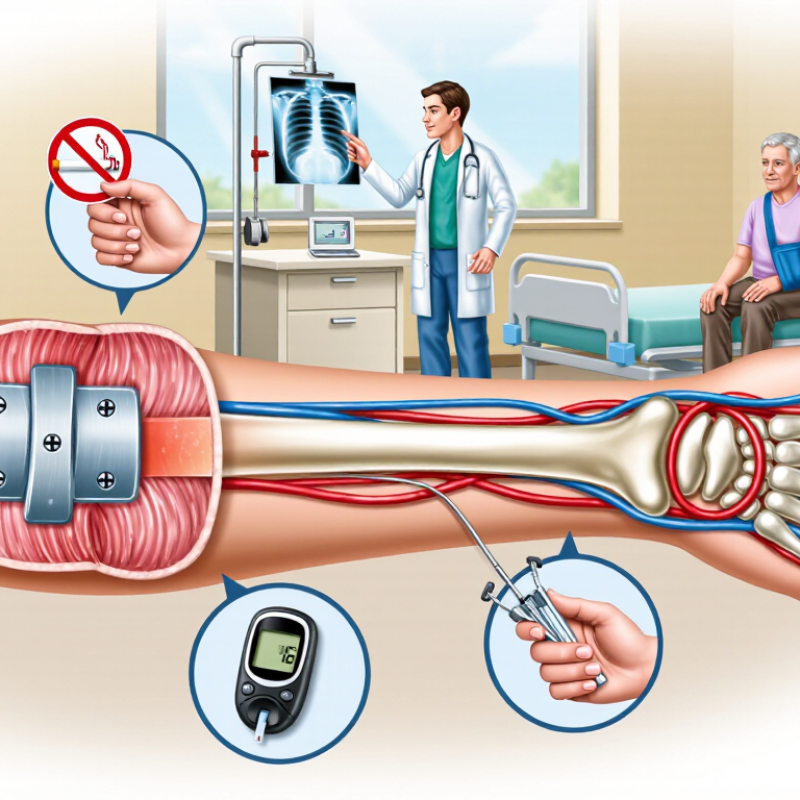
2026 Top Factors Affecting Bone Healing Speed?

What Bone Healing Speed Means and How It Is Measured

Bone healing speed means the time required for new tissue to reconnect a broken bone and restore useful strength. It is not simply the day pain disappears. For many uncomplicated fractures, the American Academy of Orthopaedic Surgeons reports healing commonly takes 6–8 weeks. Larger bones, severe injuries, smoking, infection, poor blood supply, and certain medicines can extend that timeline (AAOS, OrthoInfo, 2024).

Clinicians measure healing through symptoms, physical examination, and imaging. An X-ray may show bridging callus, a narrowing fracture line, and continuity across several bone surfaces. Some teams use the Radiographic Union Score for Tibial fractures, which grades healing across four cortical areas (Whelan et al., Journal of Orthopaedic Trauma). CT scanning can help when ordinary X-rays remain uncertain. Weight-bearing ability and tenderness also matter. An image may look improved before the bone feels dependable. That limitation deserves attention.

In practice, doctors often compare images taken weeks apart, rather than trusting one photograph. Faster is not always safer. Returning to heavy lifting too early can overload fragile repair tissue. Yet “slow healing” is also difficult to define consistently. Different studies use different thresholds for union, so reported healing times cannot always be compared fairly. I would treat the calendar as useful evidence, not a final verdict.

2026 Top Factors Affecting Bone Healing Speed? — What Bone Healing Speed Means and How It Is Measured

Bone healing speed is usually assessed by combining clinical recovery with imaging. The ranges below show approximate adult time to radiographic union for selected fracture sites. Radiographic union generally means bridging bone is visible across the fracture and the fracture line is becoming less distinct.

How healing speed is measured

  • Clinical union: reduced pain and tenderness, functional use, and sufficient stability during loading.
  • Radiographic union: bridging callus or bone across the fracture on follow-up imaging.
  • Delayed union is suspected when healing progresses more slowly than expected; nonunion means healing has stopped and requires specialist assessment.

Main factors affecting speed

  • Age and overall health
  • Smoking or nicotine exposure
  • Diabetes and poor circulation
  • Fracture displacement, stability, and gap size
  • Blood supply and soft-tissue damage
  • Infection, inadequate nutrition, and vitamin or mineral deficiency
  • Mechanical loading and adherence to treatment

Approximate ranges are based on commonly reported adult clinical healing intervals and are not a diagnosis. Actual healing time varies with fracture pattern, treatment method, medical conditions, and follow-up imaging.

The Biological Stages of Bone Repair

2026 Top Factors Affecting Bone Healing Speed?

Bone repair begins with inflammation, not new bone. Blood collects around the fracture and forms a hematoma within hours. Immune cells then remove damaged tissue and release growth signals. This stage can bring warmth, swelling, and tenderness. It is necessary, although uncomfortable.

A soft callus usually develops during the next two to three weeks. Fibrous tissue and cartilage temporarily bridge the fracture. New blood vessels also enter the area. A hard callus follows, often between weeks three and six. Mineralized bone gradually replaces the softer bridge. The American Academy of Orthopaedic Surgeons reports that many fractures need about six to eight weeks to heal, but complex injuries may take much longer. NIH educational resources describe remodeling as a process lasting months or even years. The final bone may slowly strengthen along everyday stress lines. The stages overlap. Biology is rarely that tidy.

Tips: Protect the repair, follow weight-bearing instructions, and keep follow-up appointments. Adequate protein, calcium, vitamin D, sleep, and regular medical review support recovery. Smoking can reduce blood flow and delay union, according to orthopedic clinical guidance. Diabetes, poor circulation, infection, fracture displacement, and some medicines may also slow progress. Do not change supplements or activity levels without professional advice. Track increasing pain, drainage, numbness, or unusual swelling. These signs deserve prompt assessment.

2026 Top Factors Affecting Bone Healing Speed? - The Biological Stages of Bone Repair
Biological Stage Typical Timing Main Cellular and Tissue Events Factors That May Accelerate or Support Healing Factors That May Delay Healing Clinical Significance
1. Hematoma and Inflammation Immediately after injury to approximately 3–7 days Blood vessels rupture and form a fracture hematoma. Inflammatory cells release signaling molecules that recruit immune cells, fibroblasts, and bone-forming precursor cells. Good blood supply, appropriate inflammatory signaling, adequate oxygenation, and protection from excessive movement. Poor circulation, severe tissue damage, infection, nicotine exposure, and uncontrolled diabetes. This stage creates the biological environment required for repair. Inflammation is necessary, but prolonged or poorly controlled inflammation can interfere with later tissue formation.
2. Soft Callus Formation Approximately 1–3 weeks Fibroblasts and cartilage-forming cells produce a flexible fibrocartilaginous callus that begins to bridge the fracture gap. Stable fracture alignment, adequate protein and micronutrient intake, and controlled mechanical loading when medically appropriate. Large fracture gaps, excessive motion, poor soft-tissue coverage, malnutrition, and corticosteroid exposure. The soft callus stabilizes the injury but is not yet strong enough to tolerate unrestricted stress.
3. Hard Callus Formation Approximately 3–8 weeks; may take longer in larger or complex fractures Cartilage is gradually replaced by woven bone through endochondral and intramembranous ossification. The fracture becomes more mechanically stable. Good mechanical stability, viable bone edges, sufficient calcium and phosphate availability, and adequate vitamin D status. Instability, infection, impaired vascularity, smoking, severe anemia, and metabolic bone disease. Radiographic callus may become visible during this phase, although imaging appearance does not always equal complete mechanical strength.
4. Remodeling Months to several years Osteoclasts remove excess or disorganized woven bone, while osteoblasts replace it with stronger, more organized lamellar bone along lines of mechanical stress. Progressive rehabilitation, appropriate mechanical loading, adequate nutrition, and correction of endocrine or metabolic disorders. Persistent unloading, repeated injury, chronic inflammation, endocrine disorders, and inadequate rehabilitation. Remodeling improves bone architecture and strength, but the bone may remain vulnerable even after pain and swelling have decreased.
Blood Supply Influences every stage New blood vessels deliver oxygen, nutrients, immune cells, and precursor cells to the repair site. Preserved periosteum, healthy surrounding soft tissue, and avoidance of unnecessary disruption of fracture-site blood vessels. Open injury, extensive soft-tissue stripping, vascular disease, smoking, and infection. Vascular compromise is a major biological risk for delayed union and nonunion.
Mechanical Stability Most important during early callus development Controlled strain allows callus formation, while excessive movement can prevent the transition from soft callus to mineralized bone. Accurate alignment, appropriate stabilization, and clinician-directed weight-bearing or movement. Excessive motion, poor fixation, unstable loading, or repeated trauma. Both excessive motion and complete long-term disuse can be harmful; the appropriate level of loading depends on fracture type and treatment.
Infection Control Especially critical during the first days and weeks Infection increases inflammatory activity, damages tissue, and may interfere with callus formation and bone mineralization. Prompt assessment, appropriate wound care, and timely medical treatment when infection is suspected. Deep infection, contaminated open fractures, persistent wound drainage, and untreated soft-tissue infection. Infection can significantly delay healing and may require specialized medical or surgical management.
Nutrition and Metabolic Health Throughout repair and remodeling Energy, amino acids, calcium, phosphate, vitamin D, and other nutrients support collagen production, mineralization, and cellular activity. Adequate calories and protein, balanced nutrition, and treatment of documented nutrient or endocrine deficiencies. Malnutrition, low protein intake, vitamin D deficiency, poorly controlled diabetes, and disorders affecting calcium metabolism. Supplements are most useful when a deficiency or increased clinical need has been identified; excessive supplementation does not guarantee faster healing.
Age and General Health Influences the overall healing rate Bone-forming capacity, vascular function, immune response, and tissue regeneration generally change with age and health status. Good cardiovascular health, regular medical care, appropriate physical activity, and management of chronic conditions. Advanced age, vascular disease, kidney disease, anemia, frailty, and multiple uncontrolled chronic conditions. Age alone does not determine the outcome; fracture characteristics, blood supply, stability, and overall health are also important.
Smoking and Nicotine Exposure Can affect early repair and later union Nicotine and tobacco smoke can reduce blood flow, alter osteoblast activity, and impair oxygen delivery and immune function. Avoiding tobacco and nicotine exposure during the healing period supports circulation and bone-forming activity. Smoking, vaping products containing nicotine, and other nicotine exposure may increase the risk of delayed healing. Smoking cessation is a modifiable factor that may improve the biological conditions for fracture repair.
Medications and Hormonal Factors Varies by medication, dose, duration, and patient condition Some medicines influence inflammation, collagen synthesis, bone turnover, or mineral metabolism. Medication review with a qualified clinician and treatment of relevant hormonal or metabolic disorders. Long-term systemic corticosteroid use, untreated thyroid or parathyroid disorders, and other conditions that suppress bone formation. Prescribed medication should not be stopped without medical advice; risks and benefits must be assessed individually.
Fracture Characteristics Determined at the time of injury Location, fracture pattern, displacement, comminution, bone quality, and soft-tissue injury influence the biological and mechanical repair environment. Good alignment, preserved bone viability, limited tissue damage, and appropriate stabilization. Open, displaced, comminuted, or segmental fractures, large gaps, and injuries involving areas with limited blood supply. Complex fractures often require longer observation and may have a higher risk of delayed union or nonunion.

Timing is approximate and varies by bone, fracture pattern, treatment method, age, health status, and local blood supply. Persistent pain, deformity, wound drainage, fever, or loss of function should be assessed by a qualified healthcare professional.

Key Factors That Influence Healing Time

2026 Top Factors Affecting Bone Healing Speed

Key Factors That Influence Healing Time

Bone healing speed depends on more than the calendar. The fracture’s location, displacement, blood supply, and stability can change recovery time. A simple wrist fracture may progress differently from a crushed ankle injury. Healing is not linear. Pain and swelling can fluctuate even when new bone is forming.

Age matters, but it is not destiny. Protein, calcium, vitamin D, sleep, and adequate calories support tissue repair. Smoking and nicotine can reduce blood flow and delay union.

Diabetes, poor circulation, infection, and some medicines also need careful medical review. Small details matter. Skipping protected weight-bearing, for example, may stress fragile repair tissue.

Follow-up imaging helps clinicians assess alignment and callus formation, rather than relying on pain alone. Rehabilitation should match the injury’s stage; too little movement causes stiffness, while too much force may disrupt healing.

A practical plan includes wound checks, prescribed exercises, nutrition review, and clear warning signs.

Persistent drainage, fever, worsening pain, numbness, or new deformity deserves prompt assessment.

Recovery estimates remain imperfect. They are ranges, not promises.

Medical Conditions and Treatments That May Delay Recovery

Bone healing rarely follows a perfect calendar. Diabetes can slow circulation and weaken the body’s repair response. Poor blood flow may leave a fracture site short of oxygen. Smoking and heavy alcohol use can also interfere with bone formation.

Some conditions need closer monitoring. Low vitamin D, anemia, kidney disease, osteoporosis, and active infection may delay recovery. A wound that becomes increasingly red, hot, swollen, or draining needs medical review. Persistent pain matters too. It should not be dismissed as ordinary discomfort.

Treatments can influence healing as well. Long-term corticosteroid use may reduce bone strength. Certain cancer treatments can affect cells involved in repair. Prolonged use of some anti-inflammatory medicines may also matter, depending on dose and duration. Do not stop prescribed medicine without professional advice. A clinician may review imaging, blood tests, nutrition, and weight-bearing instructions.

Healing is not a neat calendar. Missing one appointment can create uncertainty. Small details count, such as using crutches incorrectly or removing a brace too early. These choices may feel harmless, yet they can increase stress around the fracture. Recovery plans sometimes need adjustment, and that is not failure. It is better to report stalled progress honestly than to hide it. Your surgeon or treating clinician can identify whether delayed healing reflects the injury, a medical condition, or a treatment effect.

Ways to Support Safe and Efficient Bone Healing

2026 Top Factors Affecting Bone Healing Speed?

Safe healing begins with mechanical stability. Follow the surgeon’s weight-bearing instructions exactly. Too much movement can disrupt early tissue formation. Too little movement may cause stiffness and muscle loss. Gentle, approved exercises can protect circulation around the injured area. Never increase walking distance because pain briefly improves.

Nutrition also matters. Aim for regular meals containing protein, calcium, fruits, and vegetables. The International Osteoporosis Foundation reports that one in three women and one in five men over 50 experience an osteoporotic fracture. This highlights the need to assess bone health, not only the injury. Vitamin D testing may help when deficiency is suspected. Supplements should follow medical advice. More is not always better.

Sleep supports tissue repair. Keep the injured limb positioned as instructed, especially at night. Avoid nicotine, which can impair blood flow and delay bone formation. Report increasing swelling, numbness, fever, drainage, or worsening pain promptly. These signs need professional assessment. A common mistake is treating pain relief as proof of healing. It is not. Imaging and scheduled clinical reviews provide stronger evidence. Healing timelines remain individual, and even well-supported recovery can progress unevenly. My view is still cautious: “natural” products often have limited evidence and may interfere with prescribed medicines. Share every supplement with the treating clinician.

FAQS

How long does a broken bone usually take to heal?

Many uncomplicated fractures heal in about six to eight weeks. Larger or severe fractures may take much longer. Pain relief alone does not prove healing.

How do clinicians measure bone healing?

They assess pain, tenderness, movement, weight-bearing ability, and imaging results. X-rays may show bridging callus and a narrowing fracture line. One image is not enough.

Can an X-ray look healed before the bone is dependable?

Yes. An image may improve before the bone tolerates heavy stress. Doctors often compare scans taken weeks apart. I would not trust one photograph completely.

What happens during the stages of bone repair?

Inflammation begins within hours, with blood collecting around the fracture. A soft callus often forms during two or three weeks. Hard callus may follow between weeks three and six. Remodeling can continue for months or years.

What factors can slow bone healing?

Smoking, poor circulation, infection, diabetes, severe displacement, and some medicines may delay recovery. Low vitamin D, anemia, kidney disease, and weak bones can also matter. Healing is rarely tidy.

Can medicines affect fracture recovery?

Long-term corticosteroids may reduce bone strength. Some cancer treatments and prolonged anti-inflammatory medicine use may also influence repair. Never stop prescribed medicine without professional advice.

What daily choices support bone healing?

Protect the fracture and follow weight-bearing instructions carefully. Use crutches and braces as taught. Eat enough protein, calcium, and vitamin D. Sleep matters. More activity is not always better.

Which symptoms need prompt medical attention?

Increasing pain, numbness, unusual swelling, or drainage deserves prompt review. Red, hot, swollen skin may suggest a complication. Do not hide stalled progress. Report it honestly.

Conclusion

Bone healing speed refers to how quickly a fractured or damaged bone restores its strength and normal structure. It is measured through symptoms, physical examinations, movement and weight-bearing ability, and imaging that shows new bone formation and union. Healing usually progresses through several biological stages: inflammation and clot formation, development of a soft and then hard callus, and gradual remodeling that strengthens the repaired area.

Understanding what factors affect bone healing speed can help explain why recovery differs from person to person. Important influences include the type, location, and severity of the injury, blood supply, age, nutrition, activity level, and adherence to medical guidance. Certain health conditions, poor circulation, infection, smoking, and some treatments may delay recovery. Safe healing is supported by protecting the injured area, attending follow-up appointments, maintaining adequate protein and essential nutrients, avoiding harmful habits, and gradually returning to activity under professional supervision.

Isabella

Isabella

Isabella is a dedicated marketing professional with a sharp focus on driving brand growth and engagement through strategic content creation. With an extensive background in digital marketing, she combines her passion for storytelling with her keen understanding of industry trends to deliver......