Medisage Medical Medisage Medical

2026 Best How to Manage Pain After Orthopedic Surgery?

Time:2026-10-11 Author:Aria
0%

How to Manage Pain After Orthopedic Surgery: A 2026 Evidence-Based Introduction

Pain after orthopedic surgery can feel sharp, deep, and surprisingly unpredictable. A knee replacement may turn simple movements into difficult moments. A repaired shoulder may throb during sleep. Learning how to manage pain after orthopedic surgery requires more than choosing one medication.

Current guidance supports a multimodal plan. The CDC’s 2022 Clinical Practice Guideline states that nonopioid therapies can work as well as opioids for many common acute pain conditions. PROSPECT recommendations for total hip and knee replacement also support scheduled nonopioid medicines, regional anesthesia, ice, and early movement, with opioids reserved for breakthrough pain. AAHKS research further encourages procedure-specific prescribing and patient education. These reports support safer recovery, but they do not create identical answers for every patient.

Pain physician Dr. Steven Stanos describes pain as “a biopsychosocial experience.” That sentence matters after surgery. Sleep, anxiety, swelling, movement, and expectations can all change pain intensity. A practical plan may include prescribed medication timing, a wrapped ice pack, ankle pumps, breathing exercises, and short supervised walks. Never adjust doses without your surgical team. Increasing redness, calf swelling, fever, chest pain, or uncontrolled pain needs prompt medical attention. No plan is perfect. Some patients improve quickly; others need reassessment, physical therapy changes, or specialist support. This guide will examine those differences clearly, while acknowledging an uncomfortable truth: pain management can reduce suffering, but it cannot promise a completely pain-free recovery.
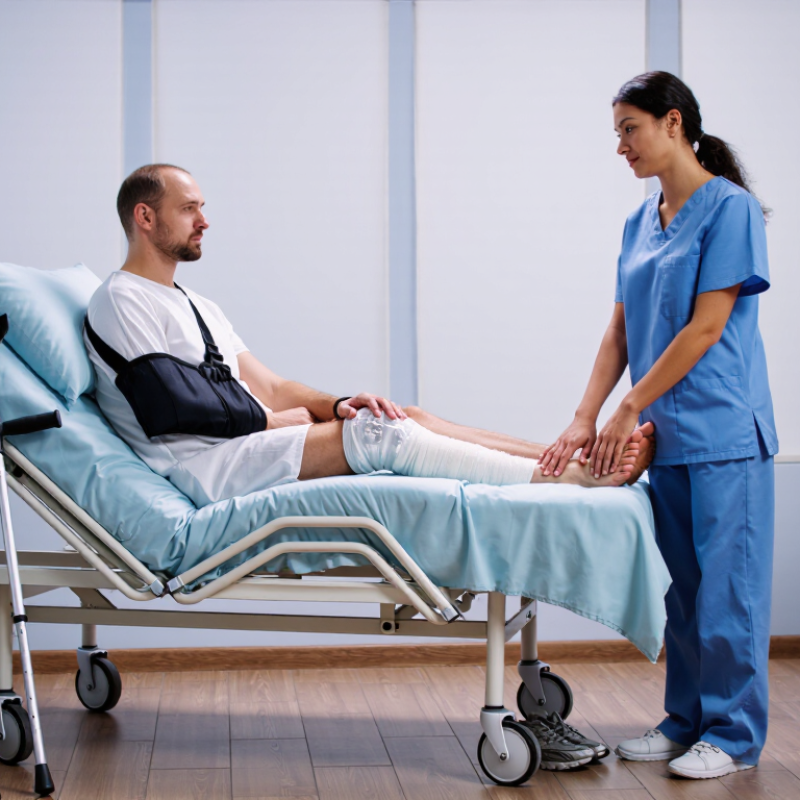
2026 Best How to Manage Pain After Orthopedic Surgery?

Understanding Pain After Orthopedic Surgery

Pain after orthopedic surgery is common, but it should be monitored carefully. A sore knee, stiff shoulder, or throbbing incision may worsen when swelling increases. Pain often feels strongest during movement, sleep, or the first few days at home. Your surgical team should explain what discomfort is expected and when it becomes unusual.

Track pain with a simple 0-to-10 scale. Note its location, timing, triggers, and response to treatment. Use prescribed medicines exactly as directed, rather than waiting until pain becomes severe. Ice wrapped in a thin cloth may reduce swelling. Elevation can help after many limb procedures. Gentle movement, breathing, and short walks may prevent stiffness, but only within your clinician’s instructions. Small details matter.

Pain management is not a perfect formula. A plan that worked in hospital may feel inadequate at home. Tell your surgeon if pain remains severe, suddenly changes, or prevents sleep and basic movement. Increasing redness, spreading warmth, pus, fever, chest pain, or shortness of breath needs urgent medical attention. I have seen how easily people dismiss these signs as “normal recovery.” That assumption can delay care. Recovery also includes reassessment, not silent endurance.

Identifying Normal Pain and Warning Signs

After orthopedic surgery, pain is expected, but its pattern matters more than one painful moment. During the first two or three days, soreness often increases when standing, bending, or beginning physical therapy. Swelling and bruising can make the joint feel tight. Elevation, prescribed medicines, and short ice sessions may help. A pain score is an imperfect snapshot. Track movement, sleep, swelling, and daily changes instead.

Normal pain should gradually become easier to control. Pain that suddenly worsens after initial improvement deserves attention. Contact the surgical team if the incision becomes increasingly red, hot, swollen, or produces cloudy drainage. Fever, chills, a foul smell, or a wound that opens may indicate infection. New calf swelling or tenderness can signal a clot. Chest pain or sudden breathlessness requires emergency care. A pale, cold, blue, or numb foot also needs urgent assessment.

The 2022 Centers for Disease Control and Prevention clinical guideline notes that acute opioid treatment should match the expected duration of severe pain; many cases need three days or less, while more than seven days is rarely necessary. This is guidance, not a personal prescription. An Agency for Healthcare Research and Quality evidence review supports multimodal care, combining appropriate medicines, movement, and non-drug measures. Recovery is not perfectly linear. I would rather report a small but persistent change early than dismiss it as “just surgery pain.”

Using Medications Safely for Pain Relief

Pain relief after orthopedic surgery should be planned, not improvised.

Your discharge instructions should list every medicine, dose, timing, and stop date. The 2022 CDC Clinical Practice Guideline states that non-opioid treatments can be as effective as opioids for many common acute pain conditions.

Acetaminophen may help with scheduled relief, while an anti-inflammatory medicine may reduce swelling, if your surgeon approves it. Never combine products containing the same ingredient.

Use prescribed opioids only when pain remains severe. Take the smallest effective dose for the shortest period.

Do not mix them with alcohol, sleep medicines, or unapproved sedatives. Store them securely, and follow local disposal guidance.

CDC data recorded 81,806 opioid-involved overdose deaths in the United States during 2022, showing why careful use matters even after legitimate surgery. It feels easy to underestimate this risk.

Ask about kidney disease, liver disease, ulcers, blood thinners, and sleep apnea before taking medication.

Anti-inflammatory drugs can raise bleeding, kidney, heart, or blood-pressure risks in some patients. The U.S. Food and Drug Administration advises using the lowest effective dose for the shortest appropriate time.

Pain scores also need context. A painful knee, fever, spreading redness, or sudden calf swelling may require medical review, not another tablet.

I would question any plan that gives only medicine instructions without warning signs and follow-up contact.

Adding Physical Therapy and Non-Drug Treatments

How to Manage Pain After Orthopedic Surgery: Adding Physical Therapy and Non-Drug Treatments

Pain after orthopedic surgery can make simple tasks feel surprisingly difficult. Standing, dressing, or turning in bed may require planning. Physical therapy often helps patients move safely while protecting healing tissues. A therapist may guide gentle stretching, joint movements, walking practice, or muscle activation. The exercises should match the surgery, healing stage, and medical instructions.

Small routines matter. Try slow breathing before movement. Use prescribed positioning, such as supporting an operated leg with pillows. Cold therapy may reduce swelling when applied with a cloth barrier and used for the recommended time.

Heat can help some muscle stiffness, but it may be unsuitable during early swelling. Ask the surgical team before changing either method.

Pain tracking can reveal useful patterns. Record pain levels, sleep quality, swelling, and activity for several days. This information helps clinicians adjust therapy instead of guessing.

A common mistake is doing too much on a better day. Recovery is not always linear. I would question any plan that ignores worsening redness, drainage, fever, new numbness, or sudden severe pain. Contact the healthcare team promptly when these signs appear.

Some patients also benefit from relaxation exercises, meditation, or occupational therapy for safer daily routines. Progress may feel slow. That does not always mean failure.

Tracking Recovery and Adjusting Pain Management

Pain after orthopedic surgery should be tracked, not guessed.

Record pain at rest and during movement twice daily. Note sleep quality, walking distance, swelling, and medication timing. A simple log can reveal whether pain is improving or merely fluctuating.

The CDC reported that 20.9% of U.S. adults experienced chronic pain in 2021, according to its National Center for Health Statistics report.

Persistent pain deserves early attention. Contact your surgical team if pain suddenly worsens, fever appears, the wound drains, or the limb becomes unusually cold or numb. These signs may need prompt assessment.

Do not change prescription doses without clinical advice. Recovery is rarely linear.

A multimodal plan may combine prescribed medicine, ice, elevation, gentle movement, and physical therapy. The 2022 CDC Clinical Practice Guideline states that nonopioid treatments can be effective for many acute pain conditions.

An AHRQ comparative-effectiveness review also supports multimodal approaches, while noting that outcomes vary between patients. That limitation matters.

My tracking may be incomplete, especially after a poor night’s sleep. Still, trends are useful. If walking improves but nighttime pain remains high, the plan may need adjustment.

If pain falls but constipation or dizziness increases, report it. Bring the log to follow-up visits. Specific details help clinicians balance comfort, function, and safety.

FAQS

Is pain normal after orthopedic surgery?

Yes, soreness, stiffness, swelling, and bruising are common during early recovery.

How can I track postoperative pain?

Use a simple 0-to-10 pain scale.

When should I take prescribed pain medicine?

Follow the prescription exactly.

Can ice and elevation reduce pain?

Ice wrapped in a thin cloth may reduce swelling.

How can physical therapy help after surgery?

A therapist may guide safe stretching, walking, joint movement, or muscle activation.

What non-drug methods may support recovery?

Slow breathing can prepare you for movement.

Which symptoms require prompt medical attention?

Contact the surgical team for worsening redness, warmth, swelling, cloudy drainage, fever, chills, or foul smell.

When is pain an emergency?

Seek emergency care for chest pain or sudden shortness of breath.

Conclusion

After orthopedic surgery, pain is a normal part of healing, but understanding its pattern can make recovery safer and more manageable. This guide explains how to recognize expected soreness, swelling, and limited movement, while also identifying warning signs such as worsening pain, unusual redness, fever, severe swelling, or new numbness that may require prompt medical attention. It also discusses how to manage pain after orthopedic surgery by following prescribed medication instructions, avoiding unsafe combinations, and communicating openly with a healthcare professional about side effects or inadequate relief.

A complete recovery plan may combine medication with physical therapy, gentle movement, rest, positioning, cold or heat therapy when appropriate, and other non-drug techniques recommended by a care team. Keeping a simple record of pain levels, activity, sleep, medication use, and symptoms can help reveal progress and support timely adjustments. With regular follow-up and individualized guidance, patients can balance comfort, mobility, and safety throughout the healing process.

Aria

Aria

Aria is a dedicated marketing professional with a deep passion for innovative strategies and a keen understanding of our company's product offerings. With a wealth of experience in the industry, Aria excels at crafting engaging content that highlights the unique features and benefits of our......