 Medisage Medical
An implant can look flawless in a product brochure and still be wrong for a particular patient. Compatibility depends on more than material choice. The implant’s intended use, tissue contact, medical history, allergies, medicines, and surgical conditions all matter. Small details count: a prior metal reaction, an inflamed gum, or a healing wound can change the risk picture. So, how to ensure compatibility of implants with the body? Start with an individualized clinical assessment, not a promise based on a label.
The U.S. FDA’s guidance on ISO 10993-1 recommends evaluating medical-device biocompatibility through risk management, considering the device’s materials, contact type, and duration. That is a framework, not a guarantee. A 2019 systematic review in the Journal of Dentistry estimated 10-year dental implant survival at 96.4%. Survival, however, does not prove that every implant suits every body. Professor David F. Williams, a biomaterials expert, defined biocompatibility as “the ability of a material to perform with an appropriate host response in a specific application.” The phrase “specific application” matters. Ask your clinician what evidence supports the proposed implant, whether alternatives exist, and how healing or adverse reactions will be monitored. Keep the implant record and report persistent pain, swelling, rash, or unusual symptoms promptly. Even careful screening leaves uncertainty. Bodies do not always follow the brochure. That uncomfortable fact deserves an honest conversation before treatment.
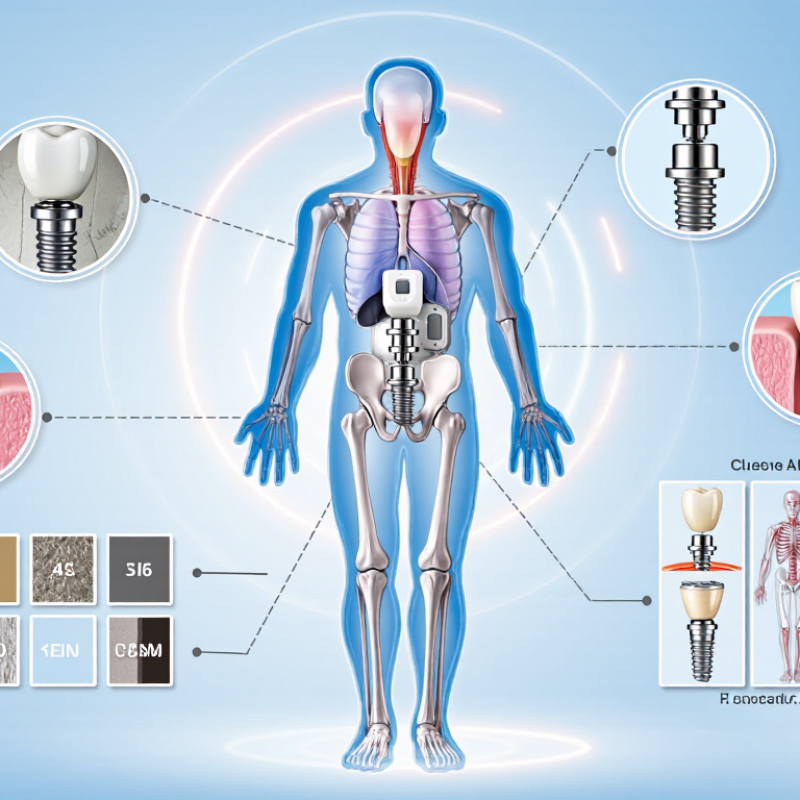
Implant compatibility means more than choosing a material labeled “safe.” It describes how an implant fits your anatomy, function, health history, and healing response. A titanium screw, for example, must match bone dimensions and support the forces placed on it. For a joint implant, alignment and movement matter; for a dental implant, gum health and bite pressure matter. Small details count. Smoking, diabetes, prior surgery, medications, and past reactions can all affect the risk picture. Compatibility is personal.
Clinicians assess these factors through your medical history, examination, and appropriate imaging or laboratory tests. Ask what material is planned, why it suits your case, and what alternatives exist. Also ask how healing and possible complications will be monitored. Tests can identify some concerns, but they cannot predict every person’s response. No checklist is perfect. That uncertainty deserves honest discussion, not reassurance presented as certainty. Bring a medication list and mention allergies, previous implants, infections, or unexplained symptoms. Even a detail that seems unrelated may be useful. Your care team can explain how the evidence applies to your situation and what changes might prompt a reassessment.
| Compatibility Dimension | What Is Assessed | Why It Matters | Useful Questions or Steps |
|---|---|---|---|
| Implant material and known sensitivities | The device’s listed materials and your history of reactions to metals, polymers, ceramics, or other materials. | Some people have sensitivities or allergies to particular materials. The relevance depends on the implant and the person; a reported skin reaction does not automatically predict a reaction to an implanted device. | Share any known allergies, prior implant reactions, and relevant test results. Ask which materials are present and whether a specialist assessment is appropriate. |
| Medical history and immune health | Conditions, prior procedures, and treatments that may affect healing or the risk of complications. | Factors such as immune suppression or poorly controlled chronic conditions can affect wound healing and infection risk. The impact varies by procedure and individual health. | Provide a complete medical history and medication list. Ask how existing conditions should be managed before and after surgery. |
| Anatomical fit and intended purpose | Whether the implant’s size, shape, placement, and function suit your anatomy and the treatment goal. | A device must be appropriate for the body site and intended use. Fit and placement can affect function, comfort, and the chance of mechanical problems. | Discuss available options, expected function, and any imaging or measurements needed for planning. |
| Infection risk and healing conditions | Factors such as active infection, skin or tissue condition, blood supply, and individual healing risks. | Infection involving an implant can require prolonged treatment and, in some cases, additional surgery. The care team evaluates risk and prevention measures for each procedure. | Tell the care team about recent infections, wounds, or dental and medical procedures. Follow the specific preparation and wound-care instructions provided. |
| Medication and treatment interactions | Prescription medicines, over-the-counter drugs, supplements, and treatments that may affect surgery, bleeding, or healing. | Some medicines can change bleeding risk or immune response. Medication changes should be made only with guidance from the prescribing clinician and surgical team. | Bring an up-to-date list of everything you take. Ask which medicines, if any, need adjustment and who should coordinate the plan. |
| Imaging and diagnostic procedures | Whether the implant can affect or be affected by planned imaging, monitoring, or other procedures. | Imaging considerations differ by device. Some implants may create image artifacts, and certain devices have specific conditions for particular scans. | Ask for the exact device information to keep in your records. Tell healthcare professionals about the implant before imaging or procedures. |
| Daily activities and long-term demands | How work, exercise, repetitive motion, and other activities relate to the implant’s location and function. | Activity guidance depends on the procedure and healing progress. Excessive or unsuitable loading may affect recovery or device performance. | Discuss expected activity limits, return-to-work timing, and any long-term precautions with your care team. |
| Follow-up and monitoring | The recommended schedule for clinical reviews, tests, imaging, or device checks. | Follow-up can help assess healing and identify concerns. Monitoring requirements vary widely among implant types. | Confirm when and where follow-up will occur, which symptoms need prompt attention, and how to access device records. |
Important: Implant compatibility is specific to the device, procedure, and individual. There is no single test that can guarantee compatibility for every person. A qualified healthcare professional should review your history and the device’s information before treatment.
It means the implant suits your anatomy, function, health history, and healing response. “Safe” alone is not enough.
Mention allergies, past reactions, infections, surgeries, smoking, diabetes, immune conditions, and medicines or supplements. Bring an updated list. Small details matter.
They review your history, examine you, and may use imaging, lab tests, or specialist input. Checks depend on the implant and its location.
No. Tests can identify some concerns, but they cannot predict every response or guarantee uncomplicated healing. I may be overthinking one normal result, but it is worth asking what it cannot show.
Gum health, available bone, and bite pressure can affect the plan. Imaging may help assess bone volume.
A joint implant needs suitable alignment and movement. A screw must fit the bone and support expected forces. Details differ.
Ask about infection, tissue irritation, loosening, delayed healing, and follow-up. Their likelihood varies by person and implant.
Ask why the material suits your case, what alternatives exist, and which symptoms need prompt attention. Request plain language. Take time.
Ensuring an implant is compatible with your body begins with understanding how compatibility involves more than physical fit. Your overall health, medical history, anatomy, lifestyle, and any sensitivities can all influence how an implant performs. A qualified healthcare professional can review these factors and help determine whether implantation is appropriate, while explaining the potential benefits, limitations, and alternatives.
Choosing a suitable material and design is another important step, since implants differ in their properties and intended uses. Before implantation, discuss possible complications and individual risk factors so expectations and care plans are clear. Afterward, attend follow-up appointments and report unusual symptoms promptly. Monitoring healing and long-term performance helps identify concerns early and supports informed decisions about ongoing care. In short, how to ensure compatibility of implants with the body depends on careful assessment, appropriate selection, and consistent professional monitoring.
