Medisage Medical Medisage Medical

How to Effectively Reduce Complications After Bone Surgery?

Time:2026-05-05 Author:Madeline
0%

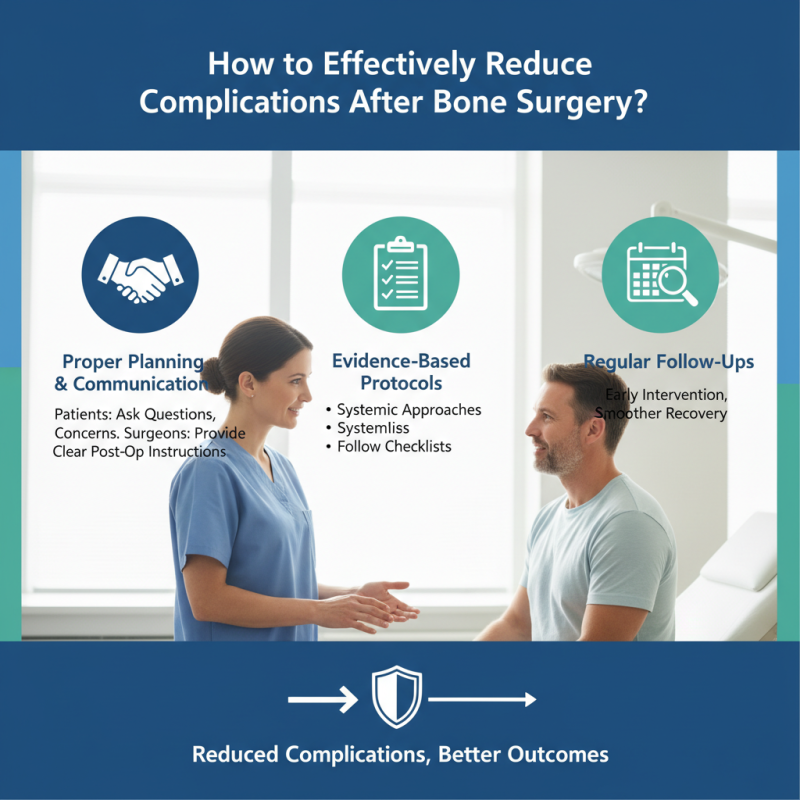
Bone surgery can lead to serious complications. Understanding how to reduce complications after bone surgery is crucial for both patients and surgeons. Proper planning and communication are key factors. Patients must ask questions and express concerns before the surgery. Surgeons should provide clear instructions for post-operative care.

Inadequate preparation often leads to unexpected issues. Some patients neglect physical therapy, which is vital for recovery. Others might not follow medication guidelines. These missteps can result in infections or prolonged pain. Each detail matters. Patients and medical professionals should work closely to avoid these pitfalls.

Using evidence-based protocols enhances patient outcomes. Studies show that systematic approaches reduce complications significantly. Following a checklist can be beneficial. Regular follow-ups allow for early intervention, preventing issues from escalating. Collaboration creates a safety net, ensuring a smoother recovery process.
How to Effectively Reduce Complications After Bone Surgery?

Understanding the Importance of Postoperative Care in Bone Surgery

Postoperative care plays a crucial role in the recovery process following bone surgery. Proper management of the surgical site is essential. It helps to minimize the risk of complications, such as infections or improper healing. Patients should adhere to prescribed guidelines to ensure optimal recovery. Regularly changing dressings and keeping the area clean can reduce contamination risks.

Understanding pain control strategies is equally important. Patients may face significant discomfort during recovery. Utilizing a combination of prescribed medications and alternative therapies can help manage pain effectively. Personalized pain management plans often lead to better outcomes. It's also important for patients to communicate openly with their care teams about their pain levels and any concerns.

Avoiding complications requires patience and diligence. Many patients underestimate the necessity of rest in their recovery journey. Engaging in strenuous activities too soon can disrupt healing. Small adjustments to daily routines, like a balanced diet or gentle exercises, contribute to overall recovery. Reflecting on personal recovery progress is vital. Recognizing what works and what doesn’t allows for better adjustments in future care.

Identifying Common Complications After Bone Surgery

Bone surgery, while often necessary for recovery, can lead to various complications. Common issues include infections, delayed healing, and nerve damage. Studies indicate that infection rates following orthopedic procedures can be as high as 5-10%. This risk often rises in patients with underlying conditions, such as diabetes or obesity, highlighting the importance of pre-surgical assessments.

Delayed healing is another frequent problem. Approximately 10% of patients experience nonunion or malunion of the bone. Factors influencing healing include age, smoking, and nutritional status. Surgeons recommend optimizing health before surgery, which can mitigate these risks. Some patients neglect their preoperative habits, leading to poor outcomes. Addressing these issues preemptively is crucial for improving recovery.

Additionally, nerve damage can occur in up to 2% of cases. This complication may result in chronic pain or loss of function. Awareness and proper surgical techniques are essential but do not eliminate risks entirely. Continuous evaluation of surgical practices is necessary. Acknowledging these complications enables practitioners to devise better strategies to improve patient outcomes.

Preoperative Strategies to Minimize Risk of Complications

Preoperative strategies play a crucial role in reducing complications after bone surgery. Research indicates that approximately 15-30% of patients experience some form of complication postoperatively. To mitigate this risk, thorough preoperative assessments are essential. Healthcare professionals should evaluate a patient's medical history, particularly chronic conditions like diabetes and cardiovascular diseases, which can exacerbate surgical outcomes.

Additionally, optimizing nutritional status is vital. A study revealed that malnourished patients face 50% higher risks of surgical complications. Ensuring adequate protein intake and sufficient vitamin D levels can significantly influence recovery. Physical conditioning, including targeted exercises before surgery, also aids in reducing complications. Engaging patients in prehabilitation programs may enhance muscle strength and overall fitness.

Patient education is often overlooked. Clear communication about the surgical procedure increases adherence to preoperative instructions. A recent survey showed that patients well-informed about their surgery experience fewer complications. However, healthcare providers must continually reflect on their approaches. Improving preoperative protocols should be an ongoing process. Each surgical team should analyze past cases to understand better the factors leading to complications and refine their strategies accordingly.

Postoperative Monitoring and Early Detection of Issues

Postoperative monitoring is essential after bone surgery. Early detection of complications can significantly impact recovery. Careful observation of the surgical site helps identify issues like infection or swelling. Monitoring vital signs regularly can also provide clues about the patient's condition. It's crucial to keep an open line of communication between patients and healthcare providers.

Patients should be educated on warning signs to watch for during recovery. Redness, increased pain, or unusual discharge from the wound may indicate complications. Simple daily checks can empower patients. Families also play a key role in observance. They can notice changes that the patient might overlook. Premature discharge from a medical facility can heighten risks. Ensuring proper follow-up appointments are attended is vital.

Recognizing that complications can still arise despite best efforts is important. Not all outcomes are predictable. Medical professionals must remain vigilant and adaptable. Continuous education on postoperative care for both patients and caregivers is needed. By fostering a culture of awareness and responsibility, the chances of effective recovery improve greatly. This collective approach enhances overall outcomes in the often complex journey of healing after bone surgery.

Postoperative Complications After Bone Surgery

This chart illustrates the percentage of common postoperative complications observed in patients after bone surgery, highlighting the importance of postoperative monitoring and early detection to effectively reduce these complications.

Rehabilitation and Its Role in Reducing Complications After Surgery

Rehabilitation plays a crucial role in reducing complications after bone surgery. A comprehensive rehabilitation program can significantly enhance recovery. Patients often underestimate the importance of rehabilitation. Following surgery, movement is essential for healing. However, many struggle with exercises due to pain or fear of further injury. Customized rehabilitation plans can address these concerns. Tailored exercises help restore strength and flexibility, allowing patients to regain confidence.


Physical therapists guide patients through recovery. They assess individual needs and adjust programs accordingly. Patients may experience setbacks during rehabilitation. Frustration can lead to skipping sessions or avoiding exercises. It's important to communicate openly with therapists about these feelings. This feedback can lead to modifications that make rehabilitation more manageable.


Moreover, patient education plays a key role in recovery. Understanding the healing process can alleviate anxiety. Patients who are informed about what to expect tend to engage more actively in their rehabilitation. Simple, easy-to-understand materials can help bridge knowledge gaps. When patients take ownership of their recovery, they often see better outcomes. Prioritizing rehabilitation is vital; it lays the groundwork for a healthier future post-surgery.

FAQS

: What are common complications after bone surgery?

: Common complications include infections, delayed healing, and nerve damage. Each of these presents distinct challenges.

How often do infections occur after orthopedic surgery?

Infection rates can reach 5-10% post-surgery, especially in patients with diabetes or obesity. Pre-surgical assessments help.

What factors affect bone healing?

Healing is influenced by age, smoking, and nutritional status. Neglecting these factors can result in delayed recovery.

Why is postoperative monitoring important?

Early detection of complications can significantly impact recovery. Monitoring helps identify issues like infection or swelling.

What warning signs should patients look for after surgery?

Patients should watch for redness, increased pain, or unusual discharge. Daily checks empower patients to notice changes.

How does rehabilitation help after bone surgery?

Rehabilitation enhances recovery and reduces complications. Customized programs restore strength and flexibility, and boost confidence.

What should patients do if they feel frustrated during rehabilitation?

Open communication with therapists is essential. Discuss any feelings of frustration to adjust rehabilitation plans as needed.

How can patient education improve recovery outcomes?

Understanding the healing process can alleviate anxiety. Informed patients engage more actively in their rehabilitation.

Why is it crucial to attend follow-up appointments?

Proper follow-up appointments are vital to monitor recovery. Missing them can increase the risk of complications.

Can complications still arise despite precautions?

Yes, complications can occur despite best efforts. Acknowledging this helps improve strategies for better patient outcomes.

Conclusion

To effectively reduce complications after bone surgery, it is crucial to understand the significance of comprehensive postoperative care. This involves recognizing common complications, such as infections or non-union of bones, that can arise after surgery. By implementing preoperative strategies, such as thorough patient evaluations and optimized health conditions, the risk of such complications can be minimized.

Postoperative monitoring is vital for early detection of issues, allowing for prompt interventions that can mitigate adverse outcomes. Furthermore, rehabilitation plays a critical role in the recovery process, helping patients regain strength and mobility while reducing the likelihood of complications. Overall, a proactive and informed approach on how to reduce complications after bone surgery can significantly enhance patient outcomes and overall surgical success.

Madeline

Madeline

Madeline is a dedicated marketing professional with a wealth of expertise in our company's core offerings. With a keen understanding of the industry, she brings a unique perspective to her role, consistently delivering high-quality content that highlights the superior aspects of our products. As......