Medisage Medical Medisage Medical

How to Effectively Manage Pain After Orthopedic Surgery?

Time:2026-05-31 Author:Charlotte
0%

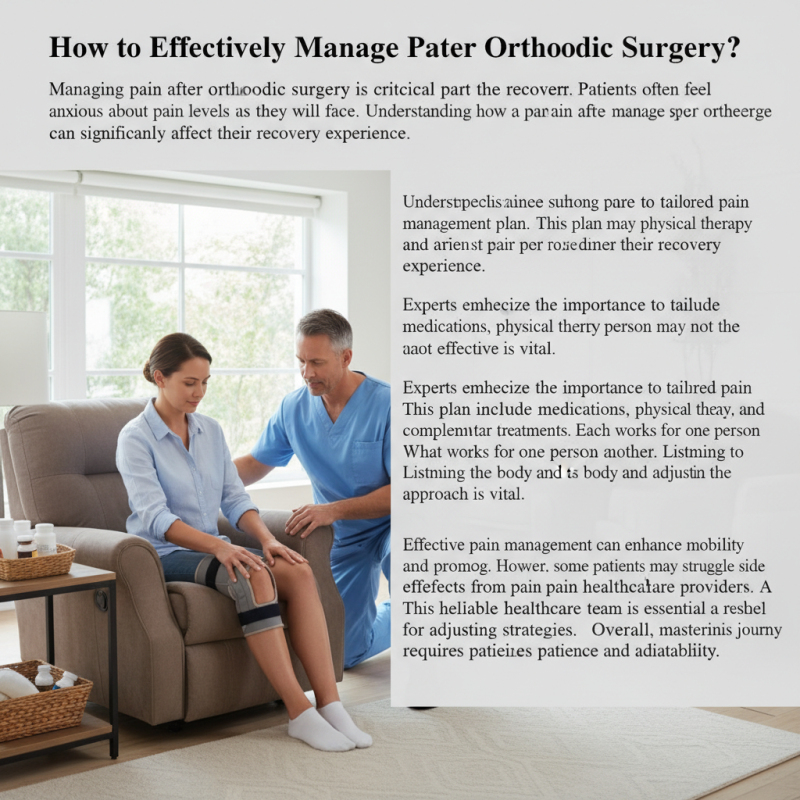
Managing pain after orthopedic surgery is a critical part of recovery. Patients often feel anxious about the pain levels they will face. Understanding how to manage pain after orthopedic surgery can significantly affect their recovery experience.

Experts emphasize the importance of a tailored pain management plan. This plan may include medications, physical therapy, and complementary treatments. Each patient has unique needs. What works for one person may not be effective for another. Listening to the body and adjusting the approach is vital.

Effective pain management can enhance mobility and promote healing. However, some patients may struggle with side effects from pain medications. This highlights the need for open communication with healthcare providers. A reliable healthcare team is essential for adjusting strategies as needed. Overall, mastering this journey requires patience and adaptability.
How to Effectively Manage Pain After Orthopedic Surgery?

Understanding Pain Post-Orthopedic Surgery: Causes and Expectations

Pain after orthopedic surgery can be challenging. Understanding its causes helps in managing expectations. After surgery, inflammation and tissue damage often lead to pain. A report suggests that about 80% of patients experience moderate pain during recovery. Factors like the type of surgery and individual pain tolerance play significant roles.

Post-operative pain management requires a multi-faceted approach. Medications may help, but they can have side effects. Some patients find that physical therapy aids recovery and reduces pain. Engaging in light activity can encourage healing. Nevertheless, it's essential to listen to your body. Overexertion can lead to setbacks, and every patient's experience differs.

**Tips**: Use ice packs to reduce swelling. Gentle stretching can improve mobility and ease discomfort. Keep a pain diary to track severity and medications. This can help healthcare providers adjust your pain management plan effectively.

Pharmacological Approaches to Pain Management After Surgery

Managing pain after orthopedic surgery is crucial for recovery. Pharmacological approaches play a significant role in this process. Various medications can help in alleviating pain effectively. Non-steroidal anti-inflammatory drugs (NSAIDs) are often the first line of treatment. They can reduce inflammation and relieve pain for many patients.

Opioids are another option for more severe pain. These medications are powerful but come with risks, such as dependency. Their use should be closely monitored. Healthcare providers may prescribe them alongside other pain management strategies to minimize side effects. Sometimes, a multi-modal approach combines different medications. This can enhance pain relief while reducing dosages.

Patients may find it challenging to manage side effects from these medications. Nausea and constipation are common issues. Keeping open communication with healthcare teams is vital. Adjustments can be made to the treatment plan if needed. Everyone's experience with pain is unique, and it may take time to find the right balance. Reflection on one's pain management journey is important for optimizing recovery strategies.

Non-Pharmacological Techniques to Alleviate Post-Surgical Pain

Managing pain after orthopedic surgery can be challenging. Non-pharmacological techniques offer practical solutions. These methods can provide relief without relying solely on medications.

Breathing exercises are beneficial. Focused breathing promotes relaxation and reduces tension. Inhale deeply and exhale slowly, repeating this process for several minutes. This technique can distract from pain.

Gentle physical activities can also help. Activities like walking or stretching improve blood circulation. Start slowly and listen to your body. Gradually increase intensity as you feel comfortable.

Tips:
- Set realistic goals for pain management.
- Be patient with yourself during recovery.
- Discuss your pain management plan with your healthcare team.

Visualization techniques encourage a positive mindset. Imagine a peaceful scene, like a beach or forest. This mental imagery can ease discomfort and enhance emotional well-being.

How to Effectively Manage Pain After Orthopedic Surgery? - Non-Pharmacological Techniques to Alleviate Post-Surgical Pain

Technique Description Effectiveness Usage Frequency
Deep Breathing Exercises Controlled breathing to enhance relaxation and lower stress levels. Moderate 3-4 times daily
Physical Therapy Guided exercises to promote recovery and reduce pain. High 2-3 times weekly
Ice Therapy Application of ice packs to reduce swelling and numb pain areas. High As needed, up to 20 minutes several times a day
Acupuncture Insertion of needles at specific points to relieve pain. Moderate Weekly sessions
Mindfulness Meditation Mental training to focus attention and eliminate stress. Moderate Daily practice, 10-15 minutes

Rehabilitation Strategies for Effective Pain Control After Orthopedic Surgery

Post-orthopedic surgery, managing pain is crucial for recovery. Effective rehabilitation strategies can enhance comfort and promote healing. First, it's essential to establish a personalized pain management plan. Communicate openly with your healthcare team. They can tailor medications to meet your specific needs.

Tips: Stay proactive in controlling your pain. Use ice packs on painful areas for 15-20 minutes. This may help reduce swelling. Schedule regular check-ins with your physiotherapist. They will monitor your progress and adjust your rehabilitation exercises accordingly.

Incorporating gentle movement is vital. Gradually increase mobility through stretching and light exercises. Focus on your range of motion and strength. Pain may fluctuate; it’s normal to have good and bad days. Listen to your body and adapt your activities to your comfort level.

Explore mindfulness techniques like deep breathing or meditation. These practices may reduce anxiety and help manage pain perception. Don't hesitate to ask for additional support from friends or family. Healing can feel isolating, and a strong support system is beneficial.

Monitoring and Communicating Pain Levels with Healthcare Providers

Effective pain management is crucial after orthopedic surgery. Monitoring and communicating pain levels with healthcare providers can significantly influence recovery. Research indicates that 40% of patients experience moderate to severe pain post-surgery. Understanding this, patients need to provide accurate pain assessments to their healthcare teams.

Tips for effective pain monitoring:

  • Use a pain scale from 0 to 10 to express your discomfort.
  • Keep a pain diary noting when and where pain occurs.
  • Regularly discuss your pain levels with your healthcare provider.

Open communication fosters a better treatment plan. Healthcare providers can adjust medications and therapies more effectively if they receive timely updates on pain levels. Studies show that continuous dialogue can lead to a 30% increase in patient satisfaction regarding pain management. Patients should not hesitate to voice concerns, even if their updates seem minor. Every detail matters in tailoring the optimal pain relief strategy.

Pain management isn’t always perfect. Some patients report feeling uncomfortable discussing their pain, fearing they may be perceived as overreacting. It’s essential to reflect on this hesitation. No level of pain should go unreported, as this could hinder recovery progress. Seeking help isn’t a sign of weakness; it’s part of healthy recovery.

FAQS

: What causes pain after orthopedic surgery?

: Pain often results from inflammation and tissue damage following surgery.

How many patients experience pain post-surgery?

About 80% of patients report moderate pain during recovery.

What approaches are recommended for pain management?

A multi-faceted approach includes medications, physical therapy, and light activities.

What are common medications for pain relief?

Non-steroidal anti-inflammatory drugs (NSAIDs) and opioids are often used.

What risks are associated with opioid use?

Opioids can lead to dependency and require close monitoring by healthcare providers.

How can patients monitor their pain effectively?

Using a pain scale and keeping a pain diary can aid communication with healthcare providers.

Why is communication about pain levels important?

Accurate pain assessments can help tailor a more effective treatment plan.

What side effects should patients expect from pain medications?

Common side effects include nausea and constipation.

How can reflection on pain management be beneficial?

Reflecting on one’s experience can help optimize recovery strategies.

What should patients do if they feel shy about reporting pain?

Patients should remember that no pain is too minor to report; it’s critical for recovery.

Conclusion

Managing pain after orthopedic surgery is a crucial aspect of the recovery process that requires a comprehensive understanding of the factors involved. Post-surgical pain can stem from various causes, necessitating clear expectations for patients. Pharmacological approaches, including the use of analgesics and opioids, are commonly employed to alleviate discomfort, while non-pharmacological techniques such as physical therapy, relaxation exercises, and mindfulness can provide additional relief.

Effective pain control also relies on rehabilitation strategies that incorporate gradual mobility and strengthening exercises. Monitoring and communicating pain levels with healthcare providers play a vital role in tailoring pain management plans to individual needs. By understanding how to manage pain after orthopedic surgery through these diverse strategies, patients can enhance their recovery experience and improve overall outcomes.

Charlotte

Charlotte

Charlotte is a seasoned marketing professional with a deep understanding of the company's portfolio and a passion for elevating its presence in the market. With a keen eye for detail and a commitment to excellence, she ensures that our professional blog is regularly updated with insightful articles......