Medisage Medical
When it comes to managing broken bones, pressing the question arises: what is the best way to stabilize broken bones? Fractures are a common global health issue, with millions occurring annually. The World Health Organization estimates that over 20 million people suffer from fractures each year due to accidents, falls, or sports injuries. Effective stabilization is crucial for proper healing.
Stabilizing broken bones not only aids recovery but also prevents complications. According to industry experts, proper immobilization results in a 30% faster healing time. Techniques vary from casts to splints and surgical options, each with its own set of benefits. Still, many are unaware of which method suits various types of fractures best. The process of choosing the right technique isn’t always straightforward and can be confusing for patients.
Furthermore, there’s no "one-size-fits-all" solution. Patients often face uncertainty regarding their specific needs. Complications can arise if the stabilization method is inappropriate or applied poorly. Understanding the best practices in stabilizing broken bones is essential for both patients and healthcare providers alike. This knowledge can bridge gaps in effective treatment strategies.
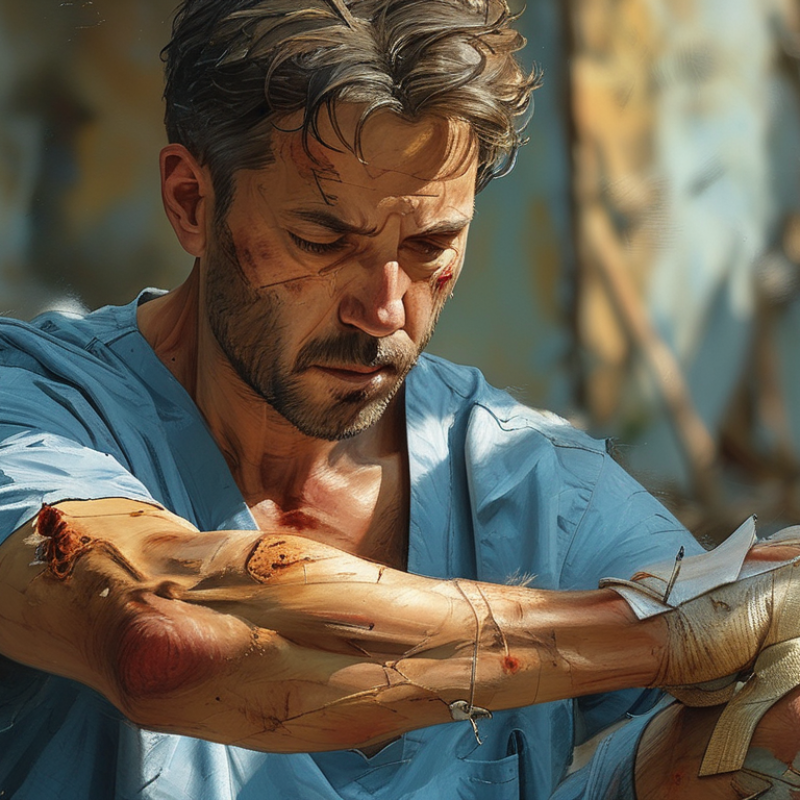
Bone fractures can occur due to various reasons, impacting different parts of the skeletal system. Understanding the types of fractures is essential for effective treatment. There are two primary types:
closed fractures
and
open fractures.
Closed fractures are when the bone breaks but does not pierce the skin. Open fractures, however, expose the bone through the skin, increasing the risk of infection.
The causes of fractures can be diverse. High-impact sports injuries, falls, and accidents are common causes. Overuse or repetitive stress can also lead to stress fractures. In older adults, osteoporosis weakens bones, making them more susceptible to fractures. Recognizing these causes can help in prevention efforts.
It's vital to seek medical advice after a fracture. Proper diagnosis often requires imaging tests. Initial treatment may include
pain management
and immobilization of the affected area. However, recovery may not be as straightforward as expected. Some fractures heal slowly due to
poor blood flow or inadequate musculoskeletal rest. This reality reminds us of the complexity of bone healing.
When a broken bone occurs, quick actions can make a significant difference. The first step is to ensure the injured person remains still. Movement can worsen the injury. If you're unsure about the severity, treat it with caution. Assess the area for swelling or deformity. These signs indicate a fracture and require careful handling.
Applying cold packs can help reduce swelling and pain. Wrap ice in a cloth and place it on the injury. This should last for about 15 to 20 minutes. Do not place ice directly on the skin to avoid frostbite. It's also essential to elevate the injury above heart level if possible. This helps decrease swelling and provides some comfort.
Remember to immobilize the injured area. Use splints if available, or even makeshift options like rolled newspapers. Ensure that the splint does not apply too much pressure. Continuous monitoring of circulation is crucial. Look for changes in color or temperature in the injured limb. These signs can indicate complications. If in doubt, seek professional medical assistance promptly.
This chart displays the effectiveness scores of various methods to stabilize broken bones. Scores range from 1 to 10, with higher scores indicating greater effectiveness. These methods are crucial for providing immediate care for broken bones before reaching medical support.
Stabilizing broken bones is crucial for proper healing. Common methods vary in effectiveness and practicality. Among them, splints are widely used for their ease of application. A splint offers immediate support, keeping the broken bone in the correct position.
Another popular method is the use of casts. They provide more extensive coverage and immobilization than splints. However, casts can be uncomfortable and may cause skin irritation. Patients often face challenges, like managing hygiene during the healing process.
Surgical options, such as internal fixation with plates and screws, are also viable. These methods enable precise alignment of the bone. Yet, surgery carries risks such as infection and prolonged recovery time. Each technique has its pros and cons, requiring careful consideration based on individual circumstances. Proper consultation with a healthcare provider is essential for optimal outcomes.
When dealing with broken bones, stability is crucial for effective healing. Casts and splints are commonly used tools in this healing process. These devices immobilize the affected area, preventing movement that could worsen the injury. Casts are typically made of plaster or fiberglass. They provide robust support and are suitable for more severe fractures. Splints, on the other hand, are generally lighter and more flexible. They are ideal for stabilizing injuries temporarily until a cast can be applied.
Casts and splints also offer protection against further injury. They keep the fractured bone properly aligned, allowing the body to heal naturally. However, improper application can lead to complications. It's vital for healthcare professionals to assess the injury accurately before deciding on the device. Communication between the patient and provider is important during this process. Patients should report discomfort or any changes in the color or temperature of their extremities. This feedback can help healthcare providers adjust the treatment plan effectively.
After a broken bone stabilizes, the rehabilitation stage is crucial for proper healing. Effective rehabilitation techniques can significantly impact recovery time and functional outcomes. Research indicates that early mobilization and physical therapy improve bone healing rates. A study published in the "Journal of Orthopaedic Research" found that patients who began rehabilitation within two weeks post-injury had a 30% quicker recovery.
Incorporating weight-bearing exercises is vital for bone health. These activities promote increased bone density and strength. However, caution is necessary. Not all fractures respond the same way to weight-bearing. Always consult a healthcare provider before starting an exercise regime.
Tips: Focus on low-impact activities like swimming or cycling to reduce stress on the bone. Gradually increase the intensity of your workouts. Maintaining proper nutrition is important as well. A diet rich in calcium and vitamin D supports bone healing. Always listen to your body; pain is a signal to adjust your activity level.
Rehabilitation also involves mental health strategies. Emotional support aids healing. A supportive environment can enhance recovery. A study in "Rehabilitation Psychology" highlighted that mental well-being correlates with better physical recovery outcomes. Prioritizing mental health during this process can be just as important as physical rehabilitation.
| Technique | Description | Support During Recovery |
|---|---|---|
| Cast Immobilization | Applying a rigid cast to immobilize the affected bone. | Reduces movement and strain on the bone. |
| Surgical Stabilization | Using plates, screws, or rods to hold bones together. | Provides immediate stability for complex fractures. |
| Bone Bracing | Utilizing braces to support and stabilize the fracture. | Allows for some movement while providing support. |
| Traction | Using weights to align bones and relieve pressure. | Facilitates proper healing alignment. |
| Use of Splints | Temporary external stabilization of a limb. | Restricts movement to reduce pain and risk of further injury. |
| Physical Therapy | Structured exercise programs to restore movement. | Strengthens muscles around the fracture site. |
| Nutrition | Focus on calcium and vitamin D intake for healing. | Ensures bones receive essential nutrients for repair. |
| Cold Therapy | Application of ice to reduce swelling and pain. | Helps manage discomfort during the healing process. |
| Hydration | Maintaining proper fluid balance for optimal recovery. | Aids in overall health and healing efficiency. |
: The two main types are closed fractures and open fractures. Closed fractures don’t pierce the skin, while open fractures do.
High-impact sports, falls, and accidents are common causes. Overuse and osteoporosis can also lead to fractures.
Medical advice is crucial for proper diagnosis and treatment. Imaging tests often help assess the fracture accurately.
Splints provide simple support, while casts offer more immobilization. However, casts may cause discomfort and skin irritation.
Surgery may lead to infections and longer recovery times. Risks vary based on individual health factors and fracture types.
Early rehabilitation can speed up recovery. Studies show those starting within two weeks heal about 30% faster.
It’s essential to consult a healthcare provider first. Not all fractures tolerate weight-bearing similarly.
A diet high in calcium and vitamin D supports healing. Proper nutrition enhances bone density and strength.
Emotional support can boost recovery. Better mental health often correlates with improved physical healing.
Swimming and cycling are good options. They reduce stress on bones while promoting recovery.
When dealing with bone fractures, understanding the types and causes is crucial, as it informs the initial response to such injuries. Basic first aid steps can help alleviate pain and prevent further damage immediately after a fracture occurs. In exploring what is the best way to stabilize broken bones, various methods are compared, including the use of casts and splints, which play a pivotal role in immobilizing the affected area and promoting proper alignment during healing.
Rehabilitation techniques are essential in supporting the recovery process after stabilization. These methods focus on gradually restoring strength and flexibility to the bone and surrounding tissues, ensuring a successful return to normal activities. Overall, effective stabilization involves a combination of immediate care, appropriate immobilization devices, and follow-up rehabilitation to ensure proper healing of the broken bone.
