Medisage Medical Medisage Medical

2026 Best Tips to Prevent Infection After Surgery?

Time:2026-09-26 Author:Amelia
0%

After surgery, a clean incision is not just a matter of appearance. Redness that spreads, increasing warmth, worsening pain, cloudy drainage, or fever can signal a problem. Knowing how to prevent infection after surgery starts with following your own care plan, because instructions can differ by procedure, dressing, and healing stage.

Surgeon and patient-safety researcher Atul Gawande wrote, “The volume and complexity of what we know has exceeded our individual ability to deliver its benefits correctly, safely, or reliably.” His observation offers a useful reminder: good care depends on consistent habits, not memory alone. Wash your hands before touching the incision or changing a dressing. Keep the area clean and dry as directed. Take prescribed antibiotics exactly as instructed; never use leftover medication. Do not apply alcohol, peroxide, or ointments unless your care team recommends them. Small details matter.

This guide outlines practical steps for wound care, hand hygiene, medicines, follow-up visits, and safer recovery at home. It also explains when to contact your surgical team. Don’t wait on concerning changes. A small concern is worth a call. Recovery is not always tidy, and general advice cannot replace instructions from the clinician who knows your operation. If directions seem unclear, ask before changing your routine.
2026 Best Tips to Prevent Infection After Surgery?

Understand the Risk: CDC Reports Surgical Infections in 2–4% of Inpatient Surgeries

CDC estimates that surgical site infections affect 2–4% of patients undergoing inpatient surgery. This is a population estimate, not a personal forecast; risk varies with the procedure and a patient’s health. CDC’s National Healthcare Safety Network tracks these infections to help hospitals monitor and improve prevention. Before surgery, tell your care team about diabetes, smoking, medicines, allergies, or past infections. Follow their bathing instructions, and do not shave near the incision yourself. WHO guidance advises against routine hair removal; if it is needed, clipping is preferred to shaving. Small details matter.

After surgery, wash your hands before touching a dressing, and change it only as instructed. Keep the incision clean and dry according to your care plan; avoid applying creams or ointments unless your clinician recommends them. Watch for spreading redness, increasing pain, pus, fever, or a wound that opens. Contact your surgical team promptly if these appear. CDC and WHO recommendations support prevention, but instructions can differ by operation. I might be tempted to treat every red mark as an emergency—or dismiss one as normal. Neither guess is reliable; ask the care team when a change worries you.

Prepare Your Skin: Follow CDC Advice on Pre-op Bathing and Razor-free Hair Removal

Before surgery, follow the bathing instructions from your care team. CDC guidance advises bathing or showering with soap or an antiseptic product the night before surgery. Your team may give more specific directions, so ask if anything is unclear. Use a clean towel, then put on fresh clothes. Simple, but easy to overlook.

Do not shave the area yourself with a razor. Tiny nicks can irritate skin and may increase infection risk. If hair must be removed, clinical staff can use electric clippers shortly before the procedure. Often, hair does not need to be removed at all. I used to think a perfectly smooth patch meant better preparation; that assumption is worth questioning. Leave the decision to your surgical team, and do not apply antiseptic products unless they recommend them. If you notice a rash, cut, or skin irritation near the surgical site, tell the team before the procedure. Small details matter.

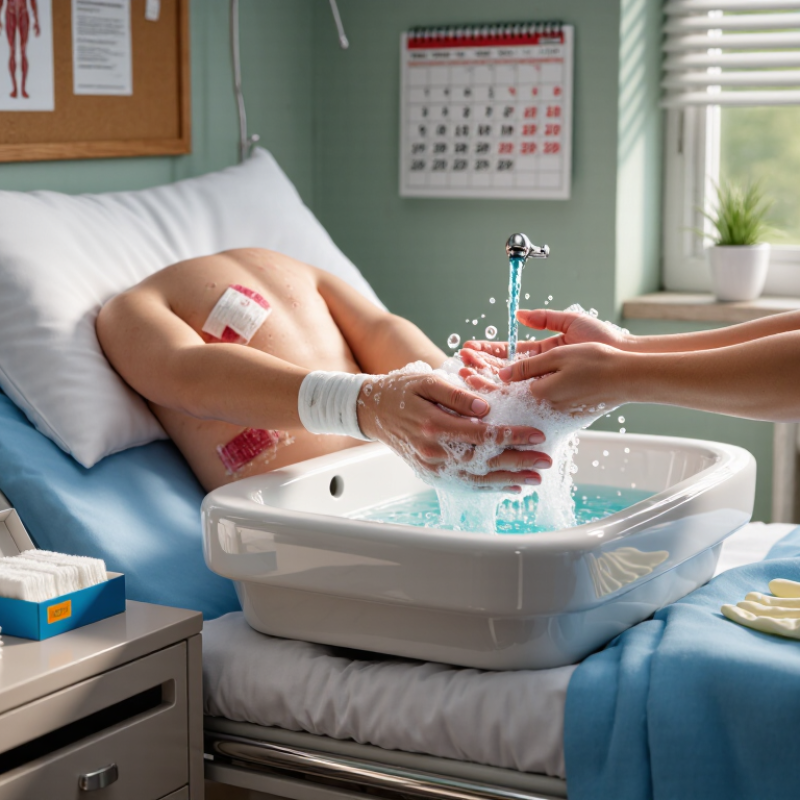
Protect the Incision: Clean Your Hands Before and After Dressing Changes

After surgery, clean hands are a simple but important barrier between everyday germs and a healing incision. The CDC reports that surgical site infections affect about 2% to 4% of patients having inpatient surgery. Risk varies with the procedure and the person’s health. Dressing changes deserve care, even when the wound looks dry. A clean-looking incision can still need protection.

Tips: Wash with soap and running water for at least 20 seconds before touching supplies or removing a dressing. Dry your hands with a clean towel. After removing the old dressing, wash again before handling the fresh one. If soap and water are unavailable, use alcohol-based hand rub, unless your care team advises otherwise. Keep supplies on a clean surface, and avoid touching the incision or the inside of the new dressing. Follow your clinician’s instructions; dressing routines differ. CDC and WHO guidance both emphasize hand hygiene as a core infection-prevention practice.

It is easy to rush this step, especially when a dressing sticks or the room feels awkward. Pause. If redness spreads, pain worsens, pus appears, or you develop a fever, contact your surgical team promptly. A small detail can matter, but handwashing cannot replace medical advice.

2026 Best Tips to Prevent Infection After Surgery — Protect the Incision: Clean Your Hands Before and After Dressing Changes

Care step What to do Important safety point
Clean your hands Wash with soap and water for at least 20 seconds before and after changing a dressing or touching the area around the incision. If soap and water are not available and your hands are not visibly dirty, use hand sanitizer containing at least 60% alcohol. Let it dry fully; do not put sanitizer on the incision.
Prepare for a dressing change Set out the supplies recommended by your care team on a clean surface. Remove the old dressing gently and dispose of it. Do not reuse disposable dressings or touch the part of a new dressing that will contact the incision.
Clean and cover the incision Follow your surgeon’s instructions for cleaning and for whether the incision should be covered. Use only the products and dressing type recommended for you. Do not scrub, pick at scabs, or apply creams, powders, or antibiotic ointment unless your care team specifically tells you to.
Keep the area protected Wear clean clothing and avoid unnecessary touching or friction around the incision. Follow your care team’s instructions about bathing, showering, and keeping the area dry. Instructions vary by procedure and closure method; do not soak the incision in a bath, pool, or hot tub until your care team says it is safe.
Change the dressing as directed Use the schedule provided by your care team, and change the dressing sooner if it becomes wet, dirty, or loose, unless you were given different instructions. Do not leave a wet or contaminated dressing in place. Contact your care team if you are unsure how to replace it.
Watch for possible infection Check the incision for spreading redness, increasing warmth or swelling, worsening pain, cloudy drainage, or a bad smell. Contact your care team promptly about these changes, a fever of 100.4°F (38°C) or higher, or an incision that opens. Seek urgent care for severe or rapidly worsening symptoms.

Important: Follow the discharge instructions from your surgeon or healthcare professional. They take priority because incision care can differ by operation and individual circumstances.

Monitor Healing: Watch for Redness, Increasing Pain, Drainage, or Fever

After surgery, check your incision in good light each day, following your care team’s instructions. Look for redness that spreads, swelling that grows, or skin that feels unusually warm. A little tenderness or mild bruising can occur during healing, but worsening pain deserves attention. Small changes matter.

Notice what comes from the wound. A small amount of clear or pale drainage may be expected after some procedures; new, increasing, cloudy, or foul-smelling drainage is more concerning. Note when it began and whether the dressing becomes wet. Do not squeeze the incision, pick at stitches, or apply creams unless your clinician recommends them. I might be tempted to dismiss a change as “probably normal,” but that guess is not a reliable check.

Take your temperature if you feel feverish, chilled, or suddenly unwell. Contact your surgeon or care team promptly for spreading redness, increasing pain, concerning drainage, a fever, or an incision that opens. Call your surgical team. Seek urgent medical care for severe symptoms, such as confusion, trouble breathing, or rapidly worsening illness. A dated photo and a brief note about symptoms can help your clinician assess changes, but they should not delay a call.

2026 Best Tips to Prevent Infection After Surgery

Monitor healing for redness, increasing pain, drainage, or fever.

CDC/NHSN surveillance periods are 30 days for superficial incisional infections. Deep incisional and organ/space surveillance periods may be 30 or 90 days, depending on the procedure; the chart shows the longest applicable window. These periods are for surveillance—not a reason to wait to seek care. Contact your surgical team promptly if you notice worsening redness or pain, drainage, or fever.

Seek Help Promptly: Report Possible Infection Signs to Your Surgical Team

After surgery, some tenderness, bruising, and mild swelling can be part of healing. What matters is whether they improve or become worse. Check the incision as instructed, using good lighting. Note changes such as redness spreading beyond the wound, increasing warmth, worsening pain, cloudy or foul-smelling drainage, or the edges opening.

Seek help promptly. Call your surgical team if you notice these changes, develop a fever of 100.4°F (38°C) or higher, or feel unusually unwell. Describe when the symptom began and whether it is changing. A quick photo may help, if your care team permits it. Do not wait for several signs to appear. One sign can be enough to ask.

If you have trouble breathing, confusion, fainting, or rapidly worsening symptoms, seek emergency care now. Do not squeeze the wound or apply creams, leftover antibiotics, or home remedies unless your clinician advises it. Follow your discharge instructions, and ask if anything is unclear. It can be hard to tell normal healing from infection at home; that uncertainty is worth a call.

FAQS

How common are surgical site infections after inpatient surgery?

Estimates suggest they affect 2–4% of inpatient surgery patients. This is a population estimate, not a personal prediction. Risk varies by procedure and health.

What should I tell my care team before surgery?

Mention diabetes, smoking, medicines, allergies, and past infections. Small details matter.

How should I bathe before surgery?

Follow your care team’s instructions. They may advise a shower with soap or an antiseptic product the night before. Use a clean towel and fresh clothes.

Should I shave the surgical area myself?

No. Razor nicks can irritate skin. If hair removal is needed, staff may use electric clippers. Often, removal is unnecessary.

What if I have a rash or cut near the surgical site?

Tell your care team before the procedure. Don’t apply antiseptic products unless they recommend them.

How should I handle my dressing after surgery?

Wash your hands before touching it. Change the dressing only as instructed.

Can I put cream or ointment on the incision?

Keep the incision clean and dry according to your care plan. Use creams or ointments only if your clinician recommends them.

Which wound changes should I report?

Contact your surgical team promptly for spreading redness, increasing pain, pus, fever, or an opening wound. A small red mark can be hard to judge. I might dismiss it—or worry too much. Ask when a change concerns you.

Conclusion

Surgical site infections can affect 2–4% of inpatient surgeries, according to the CDC, so prevention deserves attention before and after an operation. To understand how to prevent infection after surgery, begin by following your surgical team’s instructions for preoperative bathing. If hair removal is needed, avoid shaving with a razor, which may irritate the skin; ask your care team what method to use instead.

After surgery, wash your hands before and after touching or changing a dressing, and follow the instructions you were given for keeping the incision clean and protected. Check the area regularly as it heals. Redness that spreads, increasing pain, unusual drainage, or a fever may signal a problem. Contact your surgical team promptly if you notice these signs or are concerned about your recovery, rather than waiting for symptoms to worsen.

Amelia

Amelia

Amelia is a seasoned marketing professional with a wealth of expertise in our company’s core offerings. With an unwavering passion for driving growth and innovation, she plays a pivotal role in shaping our marketing strategies and enhancing brand visibility. A key aspect of her responsibilities......