 Medisage Medical
Medisage Medical
Medisage Medical
When dealing with broken bones, the key question often arises: what is the best way to stabilize broken bones? Dr. Emily Carter, an orthopedic surgeon with over 15 years of experience, emphasizes, "Immediate stabilization can significantly affect healing outcomes." The method of stabilization is critical for proper recovery. Different situations require tailored approaches based on the fracture type and location.
Traditionally, casts and splints have been the go-to solutions. However, modern techniques, such as internal fixation, offer alternative methods. These options allow for better mobility and can accelerate rehabilitation. Despite advancements, challenges remain. Not every patient responds well to the same treatment.
Experts agree that assessing the specific circumstances is vital. The complexity of fractures can lead to varying opinions on treatment options. While some argue for conservative methods, others advocate for surgical interventions. The debate continues, indicating a need for more research and reflection on current practices in bone stabilization.
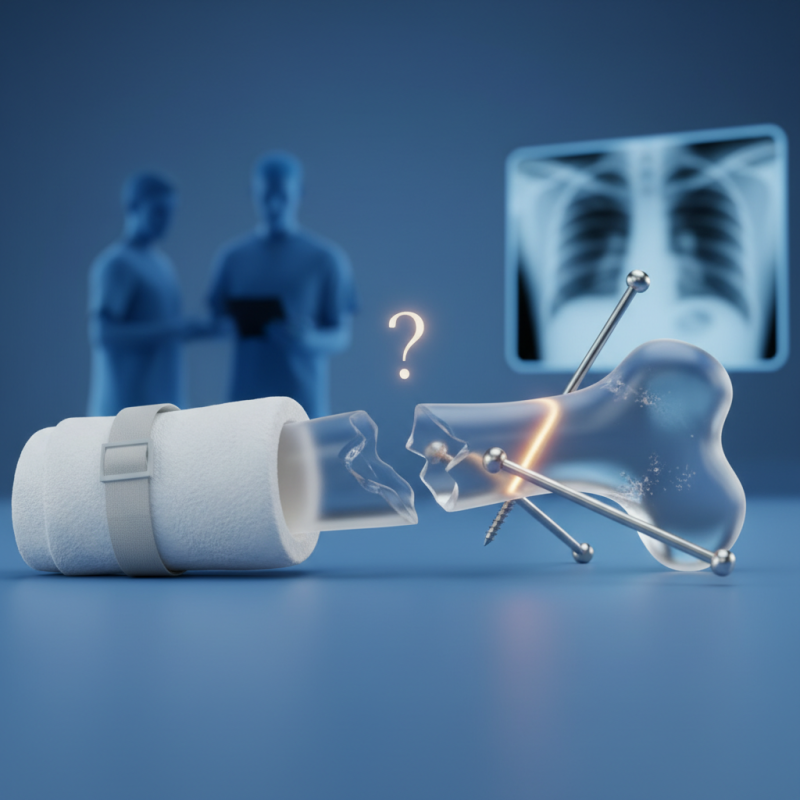
Bone fractures are common injuries that can result from various incidents, such as sports accidents or falls. Understanding the healing process is essential for effective recovery. When a bone breaks, the body initiates a complex healing mechanism. Healing occurs in three stages: inflammation, repair, and remodeling. The inflammation stage helps clear debris from the fracture site. This leads to the formation of new bone tissue in the repair stage, followed by reshaping during remodeling.
During recovery, stabilizing the fracture is crucial. The most common methods include immobilization with casts or splints. Bone alignment significantly impacts healing. Any misalignment can delay recovery. It’s essential to seek medical advice promptly. Monitor for signs of infection, such as increased swelling or redness, which can complicate healing.
Tips: Always follow your doctor's guidelines. Keeping the affected area elevated can reduce swelling. Lastly, ensure you maintain a balanced diet rich in calcium and vitamin D to support bone health. Remember, the journey to full recovery can be slow and may involve discomfort. Patience and proper care are vital.
| Method | Description | Advantages | Disadvantages |
|---|---|---|---|
| Cast | A rigid external support that immobilizes the bone | Effective stabilization, allows for some mobility of unaffected areas | Can cause skin irritation, may restrict circulation if too tight |
| Splint | A flexible or rigid support that holds a broken bone in place | Quick application, can be adjusted as swelling decreases | Less rigid than casts, may require adjustments |
| Surgery (Internal Fixation) | Involves using metal plates, screws, or rods to hold the bones together | Provides strong support for complex fractures, restores bone alignment | Invasive procedure, longer recovery time |
| External Fixation | A framework outside the body that stabilizes the bone | Allows for access to the wound, good for severe open fractures | Bulkiness, risk of infection at pin sites |
| Braces | Orthotic devices that provide support and stability to injured areas | Allows for movement while providing some stabilization | Less stable than casts or splints, potential for slippage |
: Bone fractures are injuries where a bone breaks, often due to falls or sports accidents.
Bone healing occurs in three stages: inflammation, repair, and remodeling. Each stage plays a crucial role.
Immobilizing the fracture helps stabilize the bone, ensuring proper alignment and promoting better healing.
Common methods include splints, casts, and surgery, depending on the type and location of the fracture.
Misalignment can delay recovery and may result in complications, emphasizing the need for proper alignment.
Monitor for increased swelling or redness, as these may indicate infection and complicate the healing process.
Maintain a balanced diet rich in calcium and vitamin D to support healing and strengthen bones.
Keep the injured area elevated and apply ice to reduce swelling until you receive medical attention.
Following recovery plans closely can significantly impact healing outcomes and ensure a smoother recovery process.
Recovery can be slow and may involve discomfort. Patience and proper care are essential for healing.
When considering what is the best way to stabilize broken bones, it is essential to understand the nature of bone fractures and the healing process. Common methods for stabilization include the use of casts and splints, which immobilize the affected area, allowing for proper alignment and healing. In more severe cases, surgical options such as internal fixation with plates and screws may be necessary to ensure stability and promote optimal recovery.
Non-surgical techniques, such as physical therapy and guided exercises, can aid in managing fractures and improving overall function post-injury. A comprehensive rehabilitation program is crucial following bone stabilization, as it helps restore strength and mobility. By combining appropriate stabilization methods with effective rehabilitation, patients can achieve a successful recovery and return to their normal activities.
